
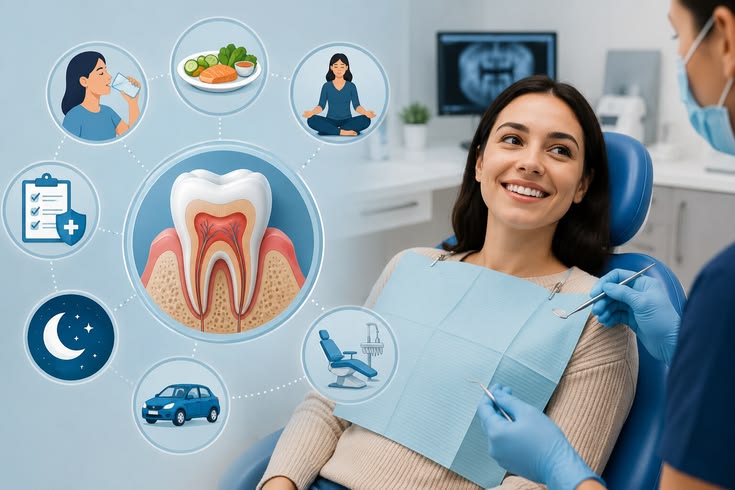
You might not think much about a sore gumline, a little bleeding when you brush, or a tooth that feels more sensitive than it used to. Then one day, the worry gets louder. Is this something small, or is it the start of a bigger problem? If you have ever wondered whether a routine dental visit with a dentist in Scarsdale can really protect your teeth over time, the short answer is yes. The role of general dentistry in preventing tooth loss is often less about dramatic treatment and more about catching small issues before they turn into pain, infection, or missing teeth.
That matters because losing a tooth is not only about appearance. It can affect how you eat, how you speak, and how confident you feel around other people. It can also lead to more dental work and more cost later. According to the CDC’s overview of tooth loss, adults can lose teeth for several reasons, with decay and gum disease being two of the most common. Because of that, regular care from a general dentist is not just maintenance. It is prevention with real long term impact.
Why do people lose teeth when the warning signs seem so small?
Tooth loss usually does not happen all at once. It tends to build quietly. A cavity starts small, then deepens. Gum irritation turns into gum disease, and over time the bone that supports your teeth can weaken. If you grind your teeth, skip cleanings, smoke, or have health conditions like diabetes, the risk can rise even more.
That slow build is what makes the problem hard. You may feel fine for months, even years, while damage is developing under the surface. So, where does that leave you? It means prevention matters most before anything feels urgent.
A general dentist looks for the things you may not notice on your own. Early decay, changes in your bite, signs of infection, worn fillings, and gum inflammation can all be spotted during routine exams. In many cases, simple treatment at the right time can save a tooth that might otherwise be lost later. That is the quiet strength of preventive dental care. It helps you avoid the bigger and more stressful version of the same problem.
How does a general dentist help stop tooth loss before it starts?
A general dentist does more than clean teeth. This kind of care creates a baseline for your oral health, then tracks changes over time. If plaque hardens into tartar, professional cleaning removes it. If a cavity appears, a filling can stop it from spreading. If your gums are inflamed, treatment and home care guidance can reduce the chance of deeper gum disease.
There is also the daily side of prevention. Good brushing and flossing habits matter, but they work best when you know you are using the right technique. The National Institute of Dental and Craniofacial Research oral hygiene guidance explains the basics clearly, including brushing twice a day with fluoride toothpaste and cleaning between teeth daily. Those habits are simple, but they are not minor.
Think about a common scenario. You put off a visit because nothing hurts. Later, a small cavity becomes a root canal, or gum disease reaches the point where a tooth feels loose. The emotional toll is real, and the financial difference can be hard to ignore. Prevention tends to cost less, hurt less, and interrupt your life less.
What does prevention look like in real life, and when is home care not enough?
Home care is the foundation, but it cannot replace professional exams and cleanings. You can brush every day and still miss buildup below the gumline. You can floss often and still not see a crack, a failing crown, or bone loss on an X ray. That is why tooth preservation dentistry works best as a partnership between what you do at home and what your dentist checks in the office.
The CDC’s oral health tips for adults also points to choices that protect your teeth, such as limiting sugary drinks, avoiding tobacco, and seeing a dentist regularly. These steps may sound basic, but basic does not mean unimportant. In oral health, the small repeated choices are often what decide the outcome.
Which habits help prevent tooth loss, and where can a dentist make the biggest difference?
| Approach | What You Can Do | Where a General Dentist Helps | Likely Result Over Time |
|---|---|---|---|
| Daily cleaning | Brush twice daily and floss or clean between teeth once a day | Checks technique and finds areas you may be missing | Lower risk of decay and gum disease |
| Diet choices | Limit sugar and acidic drinks, drink more water | Spots enamel wear and early cavities | Less damage to enamel and fewer fillings |
| Routine visits | Schedule regular exams even if nothing hurts | Finds early signs of infection, bone loss, or bite problems | Better chance of saving natural teeth |
| Ignoring symptoms | Wait until pain or swelling appears | Treatment may be more involved by that point | Higher cost and higher risk of tooth loss |
What can you do right now to protect your teeth?
- Pay attention to small changes. Bleeding gums, bad breath that lingers, tooth sensitivity, or a loose feeling in a tooth should not be brushed off. These signs do not always mean something severe, but they do mean it is time to get checked.
- Tighten up your home routine. Brush with fluoride toothpaste twice a day, clean between your teeth daily, and be honest about the habits that may be working against you, like frequent snacking on sugary foods or skipping nighttime brushing.
- Keep routine dental visits on your calendar. Even if your mouth feels fine, regular exams and cleanings help catch the problems that do not announce themselves early. That is one of the clearest ways to support lasting oral health and reduce the risk of future tooth loss.
What does all of this mean for your long term oral health?
If you have been putting off care, you are not alone, and you are not past the point of making a difference. In many cases, teeth are lost because warning signs were missed, delayed, or never felt at all. General dentistry helps close that gap. It gives you a chance to treat problems while they are still manageable and protect the teeth you already have.
The goal is simple. Keep your natural teeth for as long as possible, with less pain, less stress, and fewer surprises along the way. If you have concerns about your gums, a sensitive tooth, or changes in your bite, schedule a visit with a dentist and get clear answers before a small problem becomes a permanent one