Salt Lake City homes contend with a distinct mix of indoor air challenges, from winter inversions and seasonal pollen to dry indoor air, construction dust, and occasional wildfire smoke. A reliable plan starts with the home itself, not a single device. For households considering whole home air purifier installation in Salt Lake City Utah, it helps to understand how filtration fits alongside ventilation, moisture control, and everyday cleaning habits.
Cleaner indoor air usually results from several practical steps working together. Reducing indoor pollutants, bringing in outdoor air when conditions are favorable, and using properly selected filters can make a meaningful difference in comfort and air quality throughout the year.
Why Indoor Air Matters In Salt Lake City
Indoor air is influenced by what happens both inside and outside a home. Cooking, pets, cleaning products, fireplaces, moisture, and dusty return vents can all contribute to indoor pollutants. At the same time, outdoor particles may enter through open windows, doors, gaps in the building envelope, and ventilation systems. Salt Lake Valley air conditions can make this especially relevant when smoke or winter pollution keeps residents indoors with windows closed.
The three basic strategies for improving indoor air quality are source control, ventilation, and air cleaning. Each addresses a different part of the problem. An air cleaner can capture certain particles, but it cannot repair a water leak, replace a carbon monoxide alarm, or remove every gas and odor in a home.
Common Pollutants Found Inside Homes
Particles
Particles are often the most visible concern. They include ordinary dust, pollen, pet dander, fine smoke particles, and mold spores. They can settle on furniture and floors, then become airborne again when people walk through a room, vacuum, or adjust bedding.
Gases And Odors
Indoor gases and odors may come from cooking, scented products, cleaning supplies, paints, stored chemicals, or combustion appliances. An odor does not always identify the exact pollutant, but a persistent smell is worth investigating rather than masking it with fragrance.
Moisture-Related Problems
Condensation, plumbing leaks, damp basements, and high humidity can support mold growth and damage building materials. Carbon monoxide and radon require separate safety measures, including functioning alarms where appropriate and radon testing. Air-cleaning equipment is not a substitute for either.
The Three-Part Air-Cleaning Plan
- Control the source. Run kitchen exhaust during cooking, avoid smoking indoors, fix leaks promptly, and store paints or chemicals according to their labels.
- Ventilate when outdoor air is cleaner. Use bathroom and kitchen fans that exhaust to the outdoors, and open windows only when local conditions allow.
- Filter the air. Use an HVAC filter that suits the system and add room-specific filtration where it is most useful.
This sequence matters because a filter works harder when pollutants are continually being added to the home. For example, stopping cooking smoke at the stove is more effective than expecting a purifier in another room to handle it later.
Filters, Portable Purifiers And HVAC-Based Cleaning
Different air-cleaning options serve different spaces and needs:
- Basic HVAC filters can support routine dust control and protect equipment from larger debris.
- Higher-efficiency HVAC filters may capture more fine particles, but the filter must be compatible with the system’s airflow requirements.
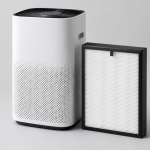
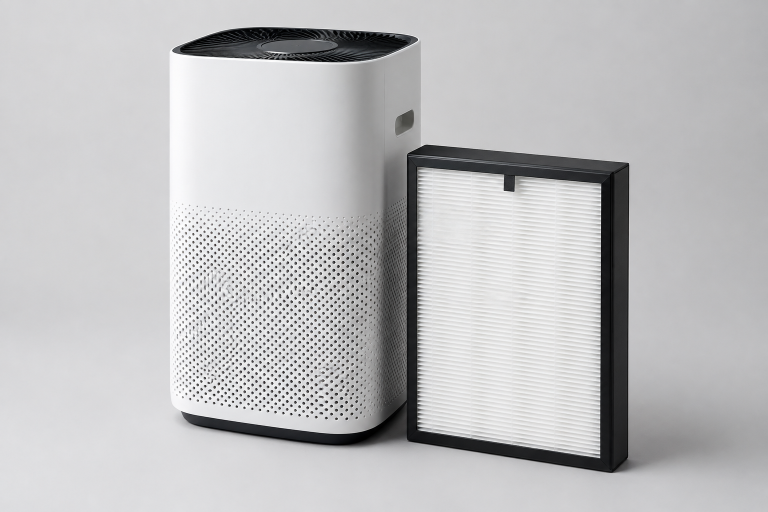
- Portable air cleaners are useful for focused spaces such as bedrooms, nurseries, home offices, or a designated cleaner-air room.
- HVAC-based air-cleaning equipment can treat air moving through the home’s ductwork when it is properly selected and installed.
A more restrictive filter is not automatically the best upgrade. If it creates excessive resistance, it may reduce airflow or strain equipment that was not designed for it. Review the HVAC manufacturer’s guidance or ask a qualified technician before making a major filter change.
Preparing For Wildfire Smoke And Outdoor Pollution
Wildfire smoke can travel long distances, so a home smoke plan is useful even when a fire is not nearby. Check local air conditions, close windows and exterior doors during periods of poor air quality, and avoid adding more particles indoors through candles, fireplaces, smoking, or high-smoke cooking.
Set up a cleaner-air room if possible, usually a bedroom or another room where household members spend time. Keep the doors and windows closed, use properly maintained filters, and avoid blocking airflow around the unit. People at increased risk from wildfire smoke include children, pregnant people, and people with heart or lung conditions, so planning ahead is especially important for those households.
A Room-By-Room Air Quality Check
Kitchen
- Run the range hood or exhaust fan while cooking.
- Confirm that the fan vents outdoors rather than recirculating air.
- Prevent overheated oil and food from producing excess smoke.
Bathroom
- Use the exhaust fan during showers and afterward as needed.
- Watch for peeling paint, damp surfaces, or recurring condensation.
- Repair leaks before moisture damage spreads.
Bedrooms, Basements And Utility Areas
- Wash bedding regularly and reduce dust near sleeping areas.
- Keep portable cleaners clear of curtains, furniture, and corners.
- Investigate musty odors, visible moisture, damaged ductwork, or unusual dust buildup.
Simple Maintenance That Supports Cleaner Air
Check HVAC filters regularly during heavy heating and cooling seasons, and replace them when loaded or according to the equipment instructions. Damp dusting can collect debris without sending as much dust back into the air. Clean return grilles, keep supply registers open and unobstructed, and make sure air-cleaning devices have clear space around their intake and outlet.
Filter maintenance alone will not solve humidity, combustion, ventilation, or moisture problems. A consistently clean home system depends on addressing each of those conditions when they appear.
Common Air-Cleaning Mistakes To Avoid
- Using one small portable unit to clean an entire home.
- Installing the highest-rated HVAC filter without confirming airflow compatibility.
- Masking odors with fragrance instead of finding their source.
- Ignoring bathroom moisture, plumbing leaks, or basement dampness.
- Opening windows during smoke or poor outdoor-air conditions.
- Waiting too long to change a visibly loaded filter.
When To Seek Professional Help
Consider a professional evaluation when dust returns quickly after cleaning, indoor odors persist, airflow varies sharply from room to room, filters clog unusually fast, or the HVAC system struggles after a filter upgrade. Visible mold, recurring moisture, damaged ductwork, or smoke entering a closed home also deserve closer attention. The best solution begins with identifying the source, checking airflow and ventilation, and choosing improvements that fit the home’s equipment and layout.