
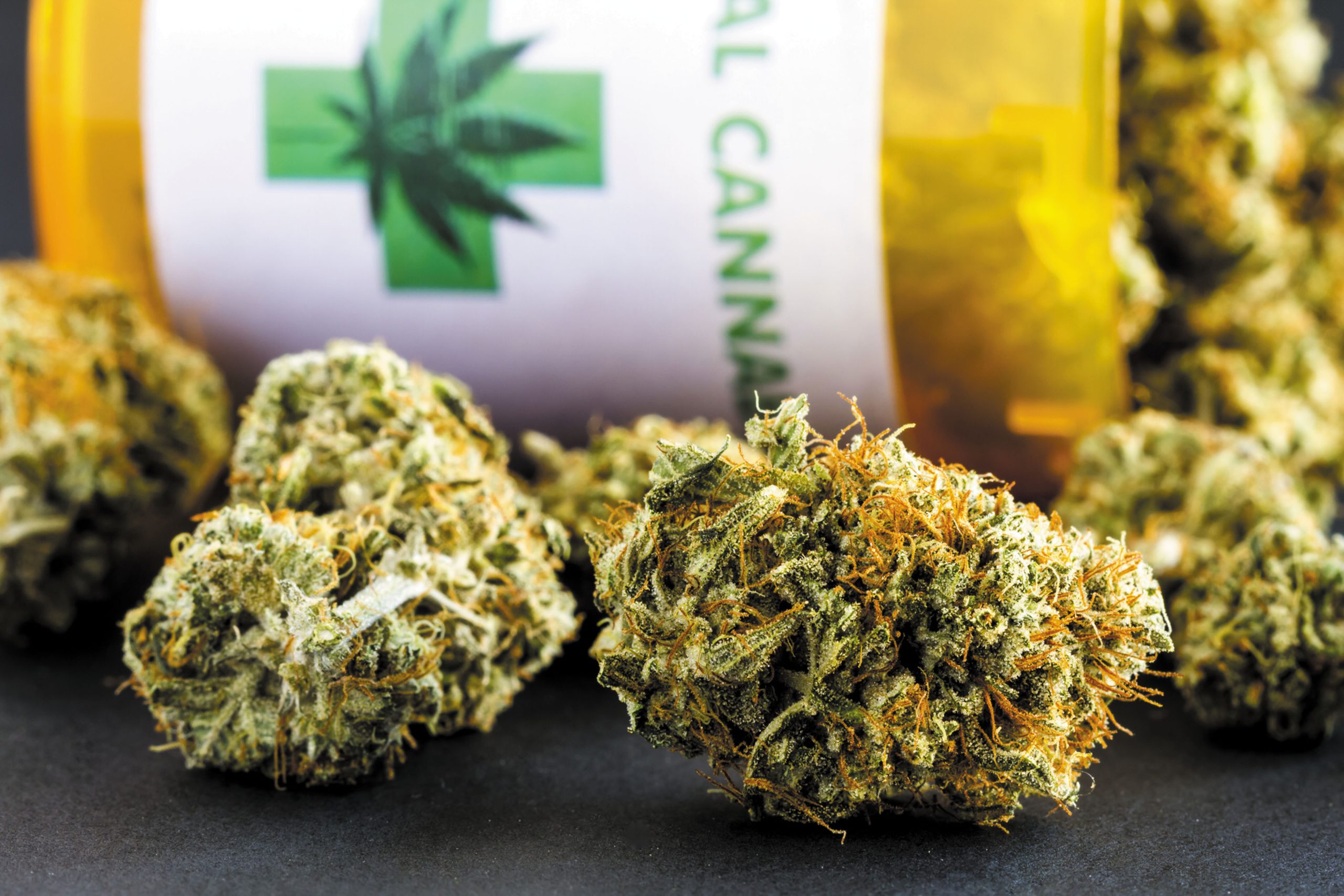
Managing chronic pain is a daily reality for millions of Australians. According to recent surveys from the Australian Institute of Health and Welfare, nearly 48 percent of patients utilising medical cannabis are doing so to treat or manage chronic pain. In fact, the chronic pain segment held the largest market share in the 2025 Australia medical cannabis market. This growth is largely driven by a rising patient shift toward non-traditional therapeutic options for symptom management. As more individuals seek effective relief, modern administration methods have come into focus. Medical vaporizers, in particular, are redefining how natural pain management and recovery are approached in a clinical context by offering an efficient, controlled, and smoke-free delivery system.
TGA-Approved Devices for Clinical Precision
Medical cannabis prescriptions in Australia are strictly regulated to ensure patient safety. They are primarily accessed through the Special Access Scheme and Authorised Prescriber pathways. Because these specialised treatments are not currently listed on the Australian Pharmaceutical Benefits Scheme, patients generally cover their annual treatment and hardware costs out of pocket. This financial reality makes investing in a reliable, certified medical device an absolute priority for long-term care and effective symptom management.
Currently, specific dry herb vaporizers like the Storz & Bickel Mighty Medic and Volcano Medic are officially registered on the Australian Register of Therapeutic Goods. Only these designated Medic variants hold formal approval, distinguishing them from standard recreational market devices through rigorous medical-grade manufacturing standards. However, to maintain this high level of clinical precision, patients must follow strict respiratory hygiene protocols. Accumulated resin and fine plant matter can obstruct airflow, alter flavour, and compromise the sanitary conditions of the heating chamber over time. To prevent bacterial buildup and keep the device running optimally, patients are strongly advised to periodically swap out removable parts using certified mighty medic accessories such as fresh cooling units, cap locks, and mesh screens.
The Science of Rapid Relief and Bioavailability
One of the primary reasons healthcare professionals recommend inhalation over ingestion is the dramatic difference in how the human body absorbs active compounds. When patients take orally ingested cannabis oils or capsules, the compounds must pass through the digestive system and liver. This extensive first-pass metabolism drastically reduces the overall systemic bioavailability to an estimated 4 to 12 percent. Consequently, the peak therapeutic concentrations are often delayed by two to four hours, which is highly impractical for those experiencing sudden flare-ups or acute discomfort.
In contrast, vaporizing bypasses liver metabolism entirely. The active cannabinoids enter the bloodstream almost immediately through the lungs, delivering a systemic bioavailability ranging from 10 to 35 percent. If you are exploring alternative wellness therapies or comparing the bioavailability of different consumption methods, you will quickly notice that this rapid onset is absolutely ideal for acute or breakthrough pain management. Patients can feel the effects rapidly, allowing them to titrate their dosage with far greater precision than edible formats allow.
Furthermore, clinical authorities heavily emphasise the respiratory safety profile of modern inhalation devices. According to the official Therapeutic Goods Administration (TGA) guidance, heating cannabis at a lower temperature than smoking produces significantly fewer toxins and completely eliminates side-stream smoke. This official documentation notes that initial effects occur within 90 seconds and reach a maximum after 15 to 30 minutes, reinforcing the efficiency of vaporization as a preferred medical delivery route.
Best Practices for Device Maintenance and Hygiene
A certified medical device can only deliver consistent, safe therapeutic results if it is properly maintained. Clinical care guidelines strongly advise cleaning your vaporizer regularly to protect your respiratory health and ensure precise dosing. Neglecting this routine can lead to degraded performance and potential health risks associated with inhaling vapour through a contaminated pathway.
To guarantee your administration remains hygienic and effective, consider implementing the following maintenance protocols into your weekly routine:
- Use Pre-Filled Dosing Capsules: Utilising these handy inserts allows patients to manage exact micro-doses of medicinal cannabis while simultaneously reducing the rate of sticky residue buildup inside the vaporizer’s primary heating chamber.
- Adhere to Replacement Schedules: Manufacturers highly recommend that cooling unit attachments and mouthpieces be either soaked in cleaning solutions or completely replaced no later than seven days after their last use to prevent dangerous bacterial buildup.
- Perform Regular Deep Cleans: Soak non-electronic, removable components like stainless steel mesh screens in isopropyl alcohol to dissolve stubborn, hardened resin effectively.
- Monitor Airflow Quality: If you notice any restriction in your draw resistance or a sudden change in vapour flavour, it is a clear clinical indicator that the heating chamber and cooling unit require immediate attention.
As the medical cannabis landscape in Australia continues to mature, the dual focus on patient safety and therapeutic efficacy remains paramount. By choosing formally approved medical vaporizers and committing to diligent daily device hygiene, patients can confidently maximise their natural pain management strategies. This clinical, clean approach offers a fast-acting and highly controlled method for long-term recovery and reliable symptom relief.