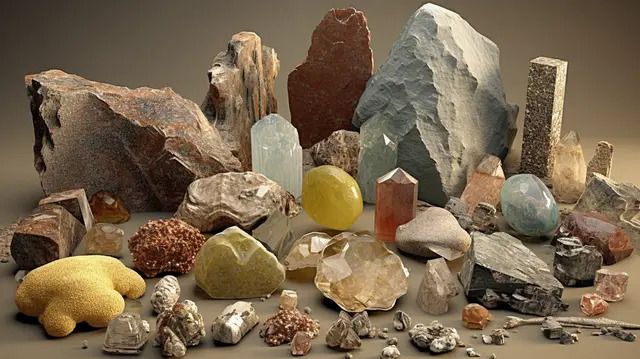
A specimen looks settled on a shelf until someone asks what it is. The answer often starts with a place—a trail cut, a roadside borrow pit, a river bar—but place alone rarely settles the name. Color sticks in memory; structure does the real work. For anyone who already thinks in maps and layers, rock identification is another layer: what you can see on the surface, what a photograph captures, and what still has to wait for better evidence.
Geography gives you the setting. Geology asks what the setting produced. A map pin can tell you that a specimen came from a granite belt or a limestone plateau, yet the piece in your hand may still be a vein mineral, a weathered rind, or a river-worn cobble that traveled farther than the pin suggests. Treat location as a strong clue, not a finished label.
Start With Context, Then Zoom
In field documentation, the first frame is usually the landscape. The same habit helps with rocks. A wide photograph shows how grains sit together, whether bands continue around an edge, and whether a bright patch belongs to the rock or sits on it. A tight crop of one sparkling crystal may describe a mineral; it may not name the rock that contains it.
Quartz and granite make the distinction concrete. Quartz is a mineral. Granite is a rock that can include quartz among other minerals. Photograph only the pale crystal and you may get an answer about that crystal. Pull back and the mixed grain fabric becomes visible. Neither view is wasted; they answer different questions.
Scale helps the comparison. Include a coin, a pen, or your fingertip in one overview shot so grain size is not guessed from phone magnification alone. If the rock sits on a busy tablecloth or mottled dirt, move it to a plain mat or notebook page for at least one frame. Background noise can look like mineral texture once the photo is cropped.
When you carry a phone in the field, treat the camera the way you treat a basemap: capture the overview first, then the detail that supports a claim. Soft daylight, a plain background, and a steady focus keep the difference between shots on the specimen rather than on glare. Midday sun can bleach pale feldspar; shade or thin cloud often shows crystal boundaries more honestly.
Use a Suggested Name as a Working Hypothesis
A photo match is most useful when it gives you something to test against the object in hand. Suppose a pink-and-gray stone looks speckled in the first image. A granite suggestion is worth comparing with the visible grains. Turn the piece: if darker material gathers into repeating bands, gneiss becomes another candidate. The second face introduced a question the first image could not settle.
When you ask what type of rock you are looking at, a useful reply separates candidates. Ask which visible feature supports the leading match, then look for that feature on another face. If the explanation mentions banding you cannot find, treat the disagreement as data—not as a failed lookup.
A browser tool such as a photo rock identifier can open that loop without software install or an account for a first pass: upload one to three views of the same specimen, then read a possible match next to visible clues and alternatives. Keep the whole object in the first frame. For the second, show neighboring grains rather than one isolated sparkle. A third view of an edge can show whether the pattern continues inside. Three nearly identical portraits add little new information.
Read typical properties carefully. A shiny surface in your photograph is an observation. Hardness listed on a material card is background about the proposed material. Mixing both into a shelf label as settled fact erases an important distinction. The same caution applies to density, cleavage, and typical color. Those descriptions belong to the hypothesized material; your photo only shows what this specimen presents under this light.
Make the Follow-Up Specific
“Tell me more” usually returns a broad explanation. A question tied to the unresolved detail works better: which view would separate banding from surface staining, or whether the photograph shows one crystal or several minerals together. Those questions give the next photograph a purpose and make it clearer when the evidence has run out.
Keep the conversation attached to one specimen. Switching to a second stone of similar color muddles the comparison. Start a separate identification for the new object. Before you ask another collector for an opinion, note which image supports which part of the claim—for example, overview shows mixed grains, side photo shows dark bands, granite and gneiss remain candidates—and bring those views with the stone.
If the tool suggests a sedimentary name for something that looks crystalline, do not argue with the screen. Re-shoot the fracture surface, wet one corner briefly to see whether grains stand out, and check whether the layers are true bedding or only paint-like weathering. Each check either strengthens one candidate or narrows the set.
Leave Room for the Label to Change
Connect the physical piece, its photographs, and your notes with a simple reference number. Separate the seller’s wording from your observations and from any proposed identification. A working note might read: sold as granite; pink and gray grains visible; dark bands on one side; photo comparison suggests granite or gneiss. Each clause has a different origin, which makes later revision honest.
Photo identification helps when a suggested match sends you back to the object—another face, a clearer grain boundary, a sharper question. It does not certify composition, origin, or value. Leave the label provisional when the clues stay mixed. The specimen can still earn its place on the shelf while you decide what belongs on the card beside it. For collectors and field observers who want a quick starting vocabulary without turning every stone into a lab project, that photo-based first pass is often enough to decide what to examine next.
When you finally ink a name, keep the photo set with the note. Months later, a second look—or a better photo—may revise the working label without forcing you to reconstruct the whole trail from memory alone.