
Lighting projects are placing more attention on installation flexibility, visual consistency, and maintenance planning. Surface-mounted linear lighting fits these needs because it can be added without major ceiling modifications.
For project buyers, the choice is not only about appearance. Installation time, wiring, fixture layout, light distribution, and future access all affect the final decision. This is one reason more buyers of wholesale lighting fixtures are comparing surface-mounted options with recessed or suspended systems.
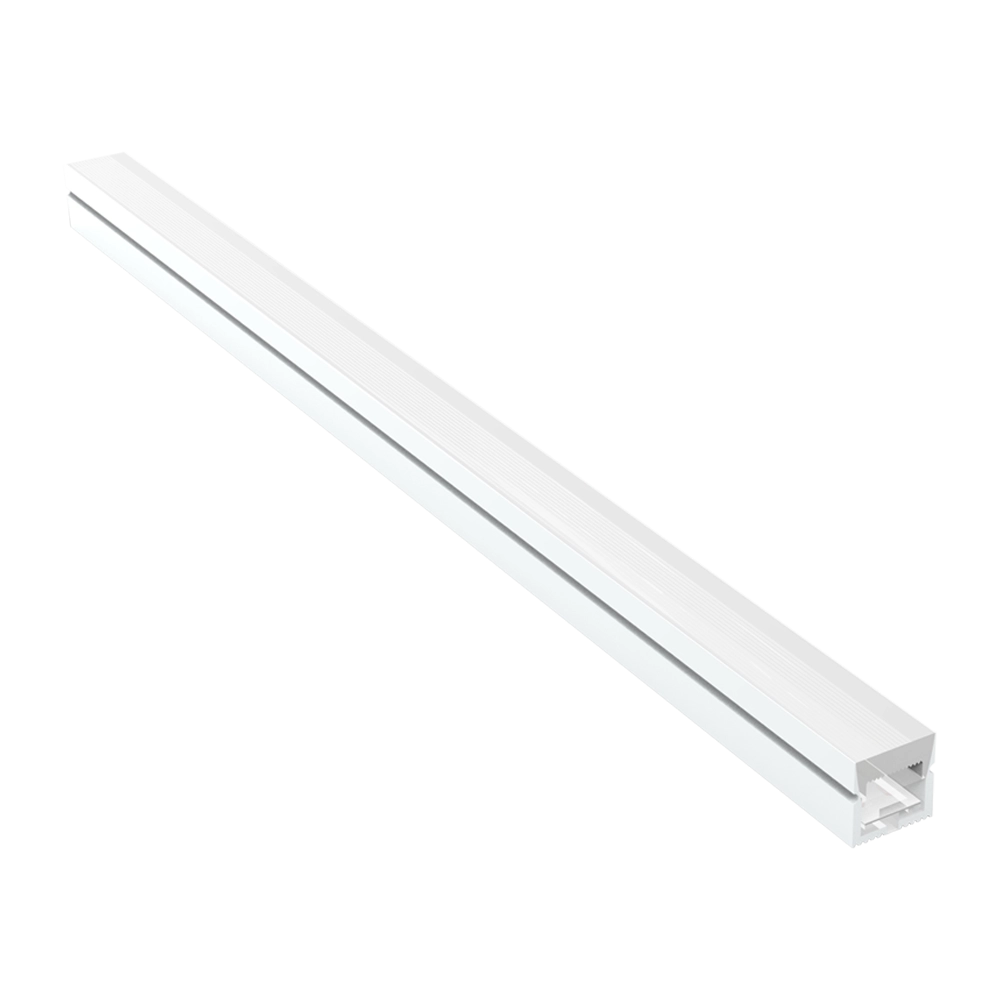
Installation Becomes Easier to Plan
Surface-mounted linear lighting is installed directly onto a visible surface. It can also reduce the need for cutting large openings or changing existing ceiling systems. This gives project teams more options when structural changes are limited by budget, schedule, or building conditions.
Existing buildings may have concrete ceilings, shallow ceiling cavities, or layouts that cannot support recessed fixtures. Surface mounting gives designers another way to add continuous lighting while keeping construction work relatively simple.
Installation planning can also become more predictable. Contractors can review fixture position, cable routes, mounting points, and access before work begins. This is useful for commercial projects where installation schedules must be coordinated with other trades.
For buyers comparing an office linear light, these installation factors can be as important as wattage or appearance. A product that fits the ceiling condition can reduce unnecessary changes during site work.
Linear Layouts Support Practical Space Planning
Linear lighting works well in spaces that need clear visual direction. Long light lines can follow desks, aisles, corridors, counters, or architectural edges.
In offices, linear fixtures can be arranged over workstations or circulation areas. Retail projects may use them to guide customers through product zones. Hospitality and public spaces can use continuous lines to support a clean ceiling layout.
Instead of hiding the fixture, the lighting can become part of the architectural composition. The fixture position can be used to create rhythm, divide zones, or highlight specific areas.
For distributors sourcing wholesale lighting fixtures, this flexibility can make linear products relevant to a wider range of project types. The same general format can support new construction and refurbishment work.
Maintenance Access Matters in Commercial Projects
Maintenance is often discussed after installation, but it should be considered during product selection. Surface-mounted fixtures are generally easier to reach because the main body remains accessible from below.
This can simplify inspection, cleaning, driver access, or replacement work, depending on the fixture design. In commercial buildings, easier access may help reduce disruption when lighting components need attention.
Project teams should still check how the fixture opens, where the driver is located, and whether components can be replaced. Mounting method, wiring access, and product structure should be reviewed together before final approval.
This is especially relevant when selecting an office linear light for large spaces. Repeated fixtures across many rooms can create extra maintenance work if access is difficult.
Product Design Can Extend Beyond Ceiling Fixtures
Surface-mounted linear lighting is not limited to ceilings. Similar design thinking can also be used in furniture and built-in applications, where easy installation and continuous light output are important.
One example from LEDIA Lighting is the Built-in Silicone Light E01. It is a 12V/24V back-lit silicon strip light designed for whole-house cabinet applications. The product uses a patented quick plug-in terminal, so installation does not require welding or aluminum profiles.
The E01 uses double-colored silicone extrusion to create a soft, even neon-like light effect. It can be cut at any length to suit different installation requirements. The product is delivered in a whole roll, which can help reduce material waste and labor during fitting.
Drivers, controllers, and terminals can be combined with the strip for different application needs. The product is used in wardrobes, closets, kitchen cabinets, and other built-in furniture. Its 2-wire CCT function also supports two selectable color temperatures for different ambience requirements.
Project Selection Should Start with Site Conditions
Surface-mounted lighting is not automatically the right choice for every project. Ceiling type, mounting surface, electrical access, lighting level, glare control, fixture length, and visual requirements should all be reviewed before purchasing.
Buyers should also compare installation drawings and product dimensions with the actual site. This helps identify whether the fixture can be mounted securely and whether the planned cable route is practical.
For B2B procurement, supplier communication is also important. Technical documents, customization options, packaging, production arrangements, and project quantities may affect the purchasing process.
Companies such as LEDIA Lighting serve project and OEM/ODM requirements across different LED lighting categories. For buyers evaluating wholesale lighting fixtures, this type of supplier capability can be considered together with product suitability, rather than treated as a separate sales factor.
Why Interest Is Growing
More projects are considering surface-mounted linear lighting because it combines visible linear design with practical installation. It can suit spaces where recessed work is difficult, and it can provide easier access during later maintenance.
The main decision should still begin with the project itself. Ceiling structure, lighting goals, installation method, maintenance needs, and visual layout all need to match. When these factors are reviewed together, surface-mounted linear lighting can become a practical option for offices, commercial interiors, renovation work, and built-in applications.