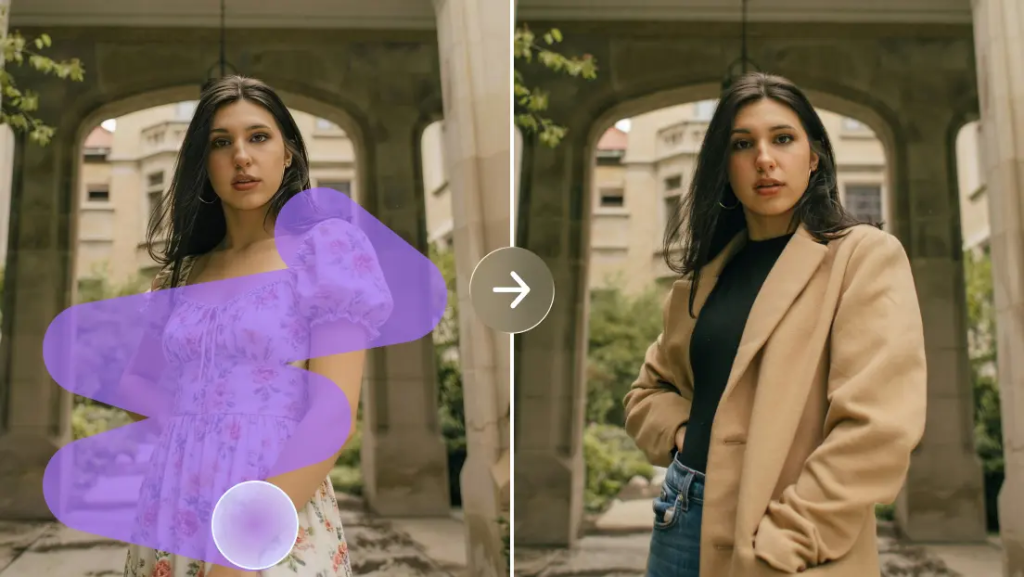
Thanks to the development of AI, nowadays one can create a realistic image just by thinking about it. Advanced AI image generators can produce images from written text descriptions that would seem to be taken from a real photograph if you just did not know. The images generated could be anything ranging from nice scenery, products well presented, to photos of people, etc.
One of the platforms, Dreamina, for example, equips creators to not only develop their visual ideas through the AI image generator function but also to experiment with various image styles. It allows the use of AI-generated images by various professionals to create marketing materials and advertising campaigns quickly and at low cost, without hiring photographers or learning design software. It is really convenient for users to describe what they dream of and then keep fine-tuning it step by step until they have something that perfectly fits the idea.
Grasp the Mechanism behind Realistic AI Image Generation
A realistic AI image generator, in essence, is an artificial intelligence that is capable of understanding text prompts and delivering images in response to the information. The user is expected to describe the subject, its environment, the lighting, the color, and some other visual factors. A system that is based on such an AI will give an image that will try to reflect those instructions. Some platforms besides that also make use of the reference image feature; i.e., one can give an existing picture along with the description,n and the result will be in the style of the picture.
Cheerio with Reference Photos
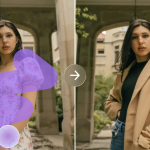
Some AI drawing apps give you the feature of adding a sample photo,o which helps the app generate a result that would reflect the photo. Such a thing is handy,dy as the creator of the design would not have to do too much,uch and the app would be able to replicate their preferences for the style, use of color, and composition that they want.
Be Clever with the Use of Camera Angles and Composition
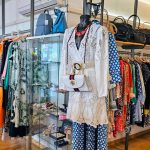
Camera angles, the background space, the proximity, the placement of the subject, and other composition elements are important factors affecting the final image result. If a photographer chooses a close-up, the viewers will be able to see the small details, while the choice of a wide shot will give viewers more information about the environment. Therefore, including such details when prompting the generator will definitely increase the chances of achieving satisfactory results through using a lifelike AI image generator. A product image, for example, would probably prefer to emphasize the main subject and also have a background that is free of clutter. On the other hand, lifestyle photography might go for a wider composition so that the setting becomes clear.
Build a Simple Workflow for Better Results
Begin by figuring out the primary use of the image and the focal point that will be highlighted. Then draft a prompt covering the setting, light, how the image should look to you, and the layout. Create a sample, look through all the significant bits,s and instead of totally changing your text, modify it step by step. Lastly, check whether the image resolution meets your needs and whether it is prepared for publishing.
Conclusion
Your life becomes much easier once you have at your disposal a realistic AI image generator. The process of making a new and realistic-looking image becomes as simple as using a smartphone application. Just a few words and your prompt will bring the desired result to the screen. Nevertheless, the final image will still require some adjustments on your side because AI can’t do everything, but overall the tool will help you produce really interesting and usable content without having too limited creativity.
FAQs
How Can We Make AI-Generated Images Look More Realistic?
A much tidier and uncluttered framework can help you come up with a photo that may be much more accurate.
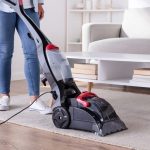
Can I Produce Realistic Shots of the Products with AI?
It is entirely possible. However, make sure that the picture you generate represents the actual item to a reasonable extent before you put it in the advertisement or a store.