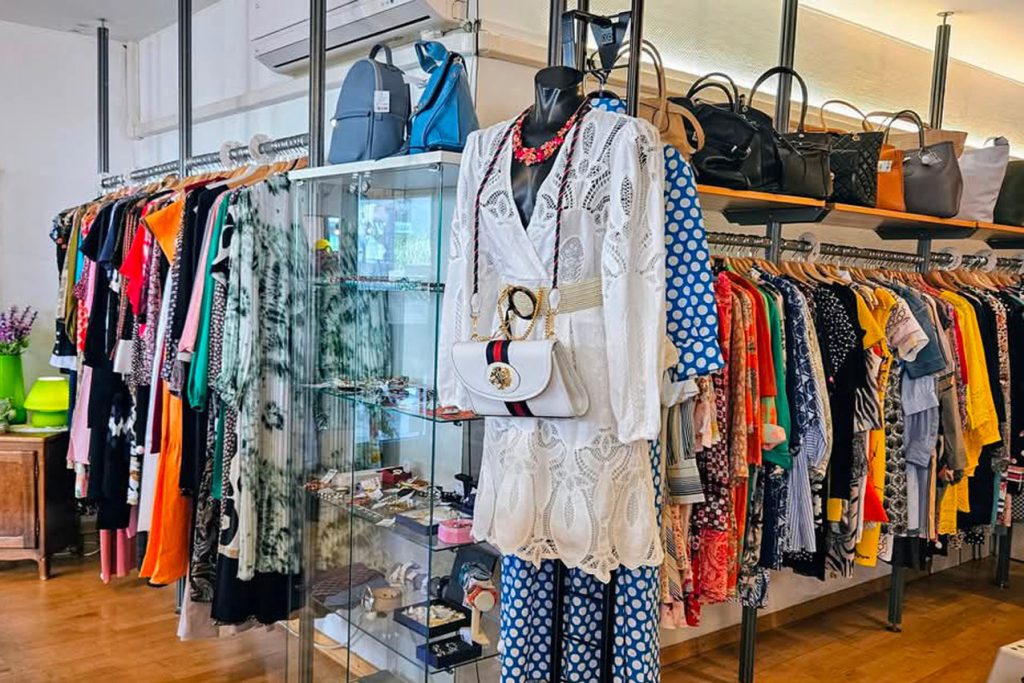
There’s a special kind of satisfaction that comes from scoring a like-new leather jacket for $15 or a solid wood dresser for a fraction of its retail price. Secondhand shopping lets you stretch your budget, reduce waste, and uncover items you simply won’t find at the mall. Whether you’re furnishing a new home or refreshing your wardrobe, buying preowned is a smart way to treat yourself without overspending.
Of course, some purchases call for a bigger investment. For larger expenses that don’t fit neatly into your everyday budget, personal loans can offer a structured way to borrow and repay over time. For now, let’s focus on how to find the best secondhand deals and shop them like a pro.
Why choose secondhand?
Buying preowned isn’t just about saving money, though that’s a major perk. Here’s what makes it worthwhile:
- It’s better for the planet: Every item you buy used keeps something out of a landfill and reduces demand for new production.
- It’s easier on your budget: Secondhand goods often cost a fraction of their original price, leaving more room in your budget for other priorities.
- You’ll find one-of-a-kind treasures: Vintage clothing, retro furniture, and discontinued items give your space and style a personality you can’t replicate with mass-produced goods.
Where to find quality secondhand items
Knowing where to look makes all the difference. Each type of secondhand source offers something different.
Thrift stores and charity shops
These are goldmines for affordable finds, but they take patience. Visit often, since inventory changes constantly. Shop in wealthier neighborhoods for higher-end donations, and don’t skip the racks in the back where overlooked gems tend to hide.
Consignment stores
If you’d rather skip the digging, consignment stores curate their inventory and focus on higher-quality items. You’ll pay a bit more than at a thrift store, but you’re more likely to find designer pieces and well-maintained furniture.
Online marketplaces
Online resale platforms and apps put thousands of items at your fingertips. Use specific search terms, set up alerts for items you want and always check a seller’s ratings before you buy. For local pickups, meet in a safe, public place.
Estate sales and garage sales
Estate sales often feature quality furniture, antiques, and household goods at reasonable prices. Arrive early for the best selection or show up later when sellers are more willing to negotiate on what’s left.
Shopping strategies
Finding a great item is only half the battle. These tips help you shop smart and avoid costly mistakes.
Inspect everything carefully
A few minutes of inspection saves you from regret later. Keep these checks in mind:
- Clothing: Look for stains, tears, missing buttons and stretched-out seams. Check zippers and inspect the fabric for pilling.
- Furniture: Test drawers, wobble the legs and look for water damage or signs of pests.
- Electronics: Ask to plug them in and test every function before you commit.
Negotiate with confidence
Many secondhand prices are flexible, especially at garage sales and on marketplaces. Politely point out any flaws and make a fair offer. The worst a seller can say is no.
Know what to avoid
Some items are best bought new. Skip used mattresses, car seats and helmets for safety reasons. Be cautious with electronics that can’t be tested and upholstered furniture that may carry odors or pests.
Clean and restore your finds
A little effort goes a long way. Wash clothing thoroughly, polish wood furniture and replace worn hardware. With minor repairs, many secondhand items look as good as new.
Smart spending, sustainable savings
Shopping secondhand is one of the easiest ways to save money, support sustainability and add character to your home and wardrobe. With a bit of patience and a sharp eye, you can find quality items for a fraction of their original cost.
The money you save on preowned furniture, clothing and household goods can also create more room for expenses that can’t be handled secondhand, from home repairs to medical bills or dental financing for needed care. By spending thoughtfully where you can, you may be better prepared for larger costs when they come up.