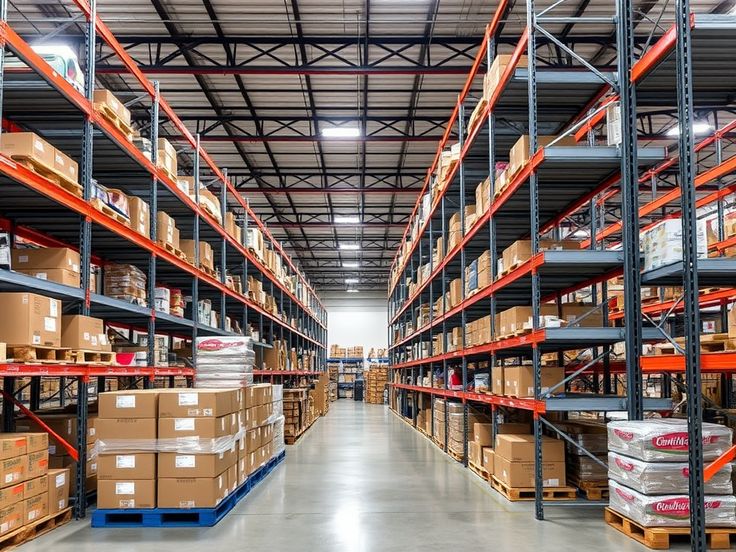
Warehouses are designed to move large amounts of materials efficiently, but the same racks, stacked inventory, narrow aisles, loading areas, and powered industrial trucks that support daily operations can also obstruct visibility. A worker on foot may step into an aisle without seeing an approaching forklift, while an equipment operator may have only a partial view around a load, storage rack, doorway, or corner. OSHA specifically identifies blind spots and obstructed vision as hazards in workplaces where forklifts and pedestrians operate close to one another.
Visibility-related accidents often raise questions about how traffic was organized and whether the work environment gave employees enough opportunity to see approaching hazards. A warehouse injury attorney in Los Angeles may review aisle design, storage placement, lighting, warning systems, forklift routes, and pedestrian controls to understand how the collision developed. California regulations also require industrial-truck operators to slow down and sound the horn where vision is obstructed and to look in the direction of travel before moving.
Storage Racks Can Create Blind Intersections
Tall warehouse racks can block the view of both forklift operators and pedestrians approaching an aisle intersection. A person walking between rows of inventory may not see a truck traveling across the end of the aisle until both are only a short distance from the same crossing point. The operator can face the same problem when the rack prevents a clear view of approaching foot traffic.
California Code of Regulations Section 3650 addresses this type of visibility problem by requiring industrial-truck drivers to slow down and sound the horn at cross aisles and other locations where vision is obstructed. OSHA gives similar guidance and recommends measures such as convex mirrors at blind aisle intersections, traffic-control signs, and separating pedestrian routes from forklift traffic where possible.
A Forklift Load Can Block the Operator’s Forward View
Forklift visibility can change dramatically after a load is picked up. Pallets, containers, boxes, or other materials may rise directly in front of the operator and block the normal line of sight. The operator may then be unable to see a pedestrian, another truck, an obstruction, or the path immediately ahead.
California Section 3650 requires drivers to travel with the load trailing when it blocks the forward view. Federal OSHA applies the same rule under 29 C.F.R. § 1910.178 and also requires operators to look in the direction of travel and maintain a clear view of the path. These requirements recognize that load placement can turn an otherwise visible warehouse route into a moving blind spot.
Pedestrians Can Enter a Forklift’s Blind Area Without Realizing It
Workers on foot may assume a forklift operator can see them because they can see the truck. That assumption can be dangerous. OSHA warns pedestrians that a forklift driver’s visibility may be limited by blind spots and advises workers to remain clear of operating lift trucks. Forklifts also have a rear swing radius that can place nearby pedestrians at risk even when the forks are moving away from them.
OSHA recommends separating pedestrian traffic from forklift traffic where practical through designated walkways, barriers, floor markings, or adequate walking space. Making routes predictable reduces the number of situations in which workers unexpectedly enter areas where an operator has limited visibility. Clear traffic patterns are especially valuable at doorways, rack intersections, staging areas, and other locations where people and equipment frequently cross paths.
Reversing Creates a Different Visibility Problem
Forklift operators sometimes need to travel in reverse, particularly when a load obstructs forward visibility. Reversing can improve the operator’s view of the travel path, but it also changes where pedestrians need to expect the vehicle to move. Workers standing behind or beside the forklift may suddenly be in the equipment’s path.
OSHA advises operators to look in the direction of travel, use warning alarms or lights when provided, and sound a horn or other warning when backing. It also recommends using a spotter when blind spots prevent a clear view. Reversing safely therefore depends on more than changing direction; operators still need enough visibility to confirm that the intended route is clear.
Clutter and Poorly Defined Aisles Can Hide Workers and Equipment
Inventory, pallets, carts, waste, and temporarily stored materials can reduce visibility as well as available travel space. A stack of boxes placed near an intersection can create a new blind corner even if the warehouse layout was originally designed with clear sight lines. Clutter can also force pedestrians or forklifts away from their usual routes.
California Section 3272 requires permanent aisles and walkways to be kept reasonably clear and provides for marking when poor definition makes them hazardous. Where industrial vehicles are routinely used, the regulation also establishes minimum aisle-width requirements based on vehicle width and whether traffic moves in one or two directions. Maintaining defined travel space helps keep workers from being pushed unexpectedly into equipment routes.
Poor Lighting Can Make Existing Blind Spots Worse
A worker may technically have a clear line of sight but still fail to detect an approaching person or vehicle when lighting is inadequate. Dark rack aisles, shadowed loading areas, poorly illuminated corners, and transitions between bright and dim areas can make it harder to recognize movement quickly.
California Section 3317 requires working areas, aisles, passageways, work benches, and machinery areas to have natural or artificial lighting adequate to provide a reasonably safe workplace. Lighting does not eliminate structural blind spots, but adequate illumination makes objects and people within the visible portion of the work area easier to detect.
Training Has to Address the Actual Warehouse Environment
Forklift training cannot be limited to learning steering and load controls. Federal OSHA requires operator training to address workplace-related topics, including pedestrian traffic, narrow aisles, restricted areas, ramps, and other environmental conditions affecting safe operation. Operators also require refresher training in specified circumstances when their performance indicates additional instruction is needed.
The physical warehouse therefore matters when training is designed. An operator working around high storage racks, busy pedestrian crossings, narrow lanes, and loading areas encounters visibility problems that may not exist in an open yard. Training that reflects actual routes and blind corners can help operators recognize where slower travel, horn use, direct visual checks, or a spotter may be necessary.
Blind-Spot Safety Depends on the Whole Warehouse Layout
Warehouse blind spots are dangerous because they can hide people and equipment until very little reaction time remains. Storage racks, elevated loads, narrow aisles, clutter, reversing vehicles, and poor illumination can each interfere with visibility. When several of those conditions occur together, both pedestrians and equipment operators may have an incomplete picture of the traffic around them.
Reducing the danger involves more than telling workers to watch where they are going. OSHA and Cal/OSHA guidance addresses clear aisles, pedestrian separation, warning devices, horn use, operator training, adequate lighting, and maintaining a clear view of travel. After an accident, examining those conditions together can help explain whether the blind spot resulted from one momentary obstruction or from a larger warehouse traffic and safety problem.