Basement windows often influence how much natural light enters a space, and their condition can affect ventilation and insulation. A basement window replacement allows homeowners to address damaged frames while also choosing styles that fit the space and its intended use. Here is how to upgrade your home with a basement window replacement:
Identify Wear
Basement windows withstand exposure to surrounding soil moisture and organic debris, which can gradually break down frame materials. Unchecked rainwater corrodes metal frame surfaces. Rust also weakens perimeter sealant around concrete openings. This can cause groundwater to enter through perimeter gaps and damage interior finishes.
Physical damage affects how well a basement window closes and insulates the room. Cold drafts near the frame often indicate worn weatherstripping, which leaves gaps around the opening. Fogging between glass layers also signals a failed seal. This affects the window’s insulating properties. Other problems may appear around the window rather than within the glass itself. Rusted hinges make the sash difficult to open; damp drywall indicates moisture is entering near the frame. Poor grading also directs water toward the foundation. Other signs that indicate a need for basement window replacement include:
- Flaking rust on steel window frames often indicates corrosion, which can weaken the frame or prevent a tight seal.
- Condensation between double-pane glass layers indicates a failed seal.
- Cold drafts around the window frame may indicate worn caulking, which leaves gaps between the frame and foundation.
- Water stains beneath a basement window point to moisture intrusion, so the window well and exterior drainage often need inspection.
Evaluate Insulation and Frame
Older basement windows may develop cracked sealant or worn weatherstripping. This leaves gaps around the opening. These gaps often allow cold air or moisture to enter, so the frame and surrounding foundation materials should be inspected during a replacement. Inspecting the opening also reveals whether the mounting surface or existing sealant needs repair before the new window is installed.
Glazing and frame materials influence how heat moves through a replacement window. Double-pane glass contains two panes separated by a sealed space; this helps slow heat transfer. Low-emissivity coatings can reduce heat transfer, and insulated frames provide another barrier between indoor and outdoor temperatures.
Installation details also affect how the new unit fits within the foundation opening. Installers use shims to position the frame evenly, so the window sits square before it is secured. This alignment allows the sash to open and close as intended. Properly installed flashing helps direct water away from vulnerable joints around the window opening. Compatible sealants help seal gaps between the window frame and adjacent building materials, limiting air and moisture infiltration.
Maximize Daylight
Basements often receive less natural sunlight, and optimizing window dimensions helps improve daylight. Upgrading undersized basement windows expands total glass surface area. Replacing metal frames with slim-profile vinyl may increase light penetration across dark lower rooms. The proper window style often depends on existing concrete foundation openings and ground clearances.
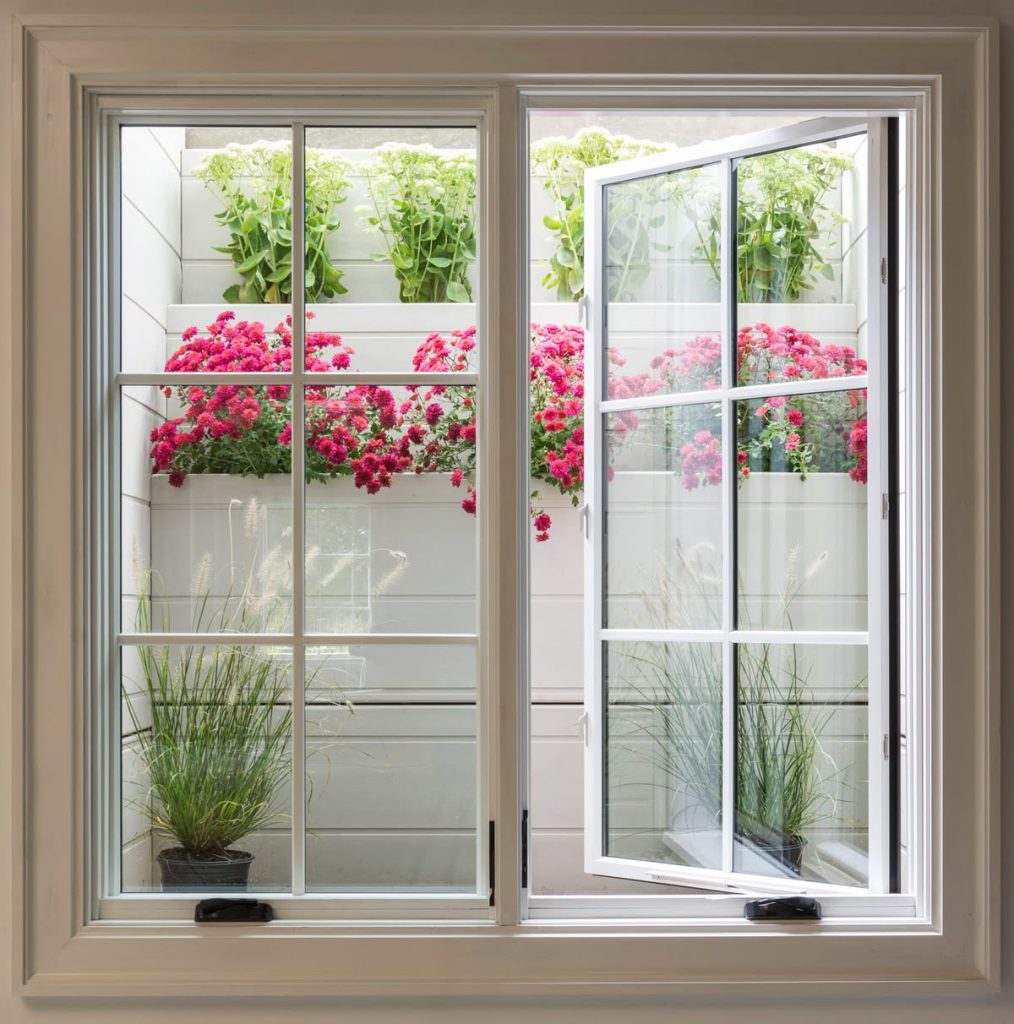
Using operable replacement windows introduces fresh air circulation, and proper ventilation controls basement moisture levels. Hopper windows are an option that helps improve overhead ventilation in tight foundation openings. Casement windows swing outward, and they help maximize fresh air intake across basement living zones. Additional factors to evaluate when selecting basement windows include:
- Choosing wider hopper windows increases the visible glass area, which helps bring more daylight into compact basement rooms.
- Positioning sliding windows along unobstructed foundation walls allows daylight to spread across floors.
- Selecting casement windows with narrow frames may increase the proportion of glass within the opening, so less of the window area is occupied by framing.
- Installing windows with taller glass panels extends the daylight opening vertically. This helps brighten more of the wall and floor area near the window.
- Using light-diffusing glass softens incoming daylight, while clear glass preserves outdoor views.
Plan Your Basement Window Replacement
Basement upgrades allow homeowners to transform how lower-level rooms are used. A space designed for storage may need different window features than a finished family room or home office, so the intended purpose should guide the final design. Homeowners should also look at furniture placement and how the windows fit with planned renovations. Learn more about basement glass replacements today, and find a window style that suits your home’s layout and renovation goals.