A dental clinic’s capabilities are shaped not only by clinical expertise but also by the tools available to support everyday procedures. Advances in imaging, sterilization, lighting, and treatment-room design have changed how practices organize their work, maintain hygiene, and manage patient expectations.
As clinics expand or replace aging systems, dental clinic equipment for sale now represents a broader range of options than a simple collection of machines and furniture. Buyers must consider how each item fits into the full clinical workflow, from patient examination to instrument reprocessing. Roson operates in this changing dental equipment market, where usability, compatibility, and long-term value are increasingly important.
From Individual Devices to Connected Clinical Workflows
Earlier dental practices often selected equipment one item at a time, with less attention to how different devices worked together. Modern clinics tend to assess the treatment room as a coordinated environment. Lighting must support clear visibility, cabinets should keep instruments accessible, and stools need to allow clinicians to adjust their posture without obstructing movement. These details can affect appointment flow, especially in busy practices where rooms are used repeatedly throughout the day.
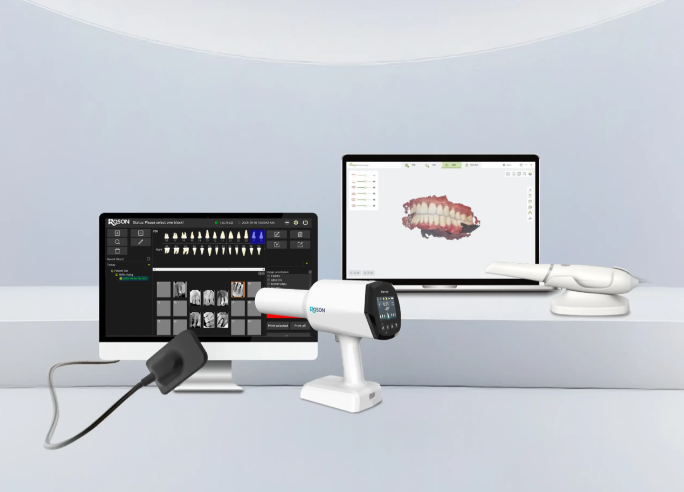
Digital tools have also changed clinical communication. An intraoral camera can display images of a patient’s teeth on a screen, helping the clinician explain visible conditions and discuss proposed treatment. Compared with verbal explanations alone, visual references may make conversations easier to follow, although image quality and the clinician’s interpretation remain important. Similar developments in diagnostic technology have made equipment selection increasingly connected to patient education and recordkeeping.
The growing variety of dental clinic equipment for sale reflects these changes. Rather than comparing products solely by price, practice managers can assess how a device supports a particular task, whether it integrates with existing systems, and what training staff may need. A purchase becomes more valuable when it solves a clearly identified workflow problem instead of adding complexity to the treatment room.
Hygiene, Ergonomics, and Operational Reliability
Infection prevention remains a fundamental consideration in dental settings. Instruments that require sterilization must be processed according to their instructions for use and applicable clinical protocols. An autoclave, for example, uses pressurized steam under controlled conditions to sterilize compatible instruments. Effective results depend on correct loading, suitable cycle selection, routine monitoring, and maintenance; the presence of a sterilizer alone does not establish that every instrument has been processed appropriately.
Ergonomic design addresses another part of daily clinical performance. Clinicians may spend extended periods seated while maintaining visual focus and performing precise hand movements. Adjustable seating, suitable lighting, and accessible instrument placement can help reduce awkward positioning. Equipment should support natural movement while allowing the operator to maintain an appropriate view of the treatment area.
Reliability matters just as much as usability. A device that repeatedly requires repairs or interrupts appointments can create costs beyond its original purchase price. A qualified dental equipment supplier should be able to explain maintenance intervals, service arrangements, replacement-part availability, and the expected operating requirements of the equipment. Such information helps clinics assess how a purchase may perform over time rather than focusing only on its initial features.
What Clinics Should Consider Before Purchasing
The right purchasing process starts with an assessment of clinical needs. A newly opened practice may need a coordinated set of essential devices, while an established clinic might be replacing one aging item or adding capacity for a new treatment service. Room dimensions, electrical connections, water and drainage requirements, ventilation, and the expected number of daily procedures can all affect equipment suitability.
Budget planning should include more than the quoted price. Installation, staff training, consumables, servicing, and eventual replacement may contribute substantially to ownership costs. Clinics should also review warranty conditions and confirm which services are available locally. For equipment that supports essential clinical functions, downtime planning can be particularly important because a malfunction may affect scheduling or require patients to be reassigned.
A dental equipment supplier can support this process by providing clear specifications and helping the clinic compare options against its actual requirements. The most useful discussions address practical questions: Does the equipment fit the room? Are its operating procedures manageable for the team? Can routine maintenance be performed as directed? Is technical support accessible if a fault occurs? Answers grounded in documented specifications are more useful than broad promotional claims.
How Product Range Reflects Modern Practice Needs
Today’s clinics require a varied mix of equipment, from dental stools and treatment lights to handpieces, ultrasonic scalers, curing lights, intraoral cameras, autoclaves, portable units, and storage cabinets. Each category serves a distinct function, so purchasing decisions should reflect the procedures performed, patient volume, room configuration, and applicable hygiene requirements. A portable unit may suit a practice that needs mobility, whereas a fixed treatment setup may better match a clinic with dedicated operatories.
Roson offers a range of dental equipment and accessories spanning seating, lighting, imaging, handpieces, sterilization, and treatment-room support. This breadth illustrates how suppliers can serve different parts of a clinic’s equipment needs, although the specifications, compatibility, certifications, and service terms of each individual item should be checked before purchase. A broad catalogue does not automatically mean every device is appropriate for every clinical setting.
Conclusion
Dental equipment has evolved from a collection of separate tools into a set of choices that can influence workflow, hygiene, ergonomics, and patient communication. The most effective purchasing decisions begin with the clinic’s real operating requirements and account for installation, maintenance, staff training, and long-term costs.
Roson participates in this evolving market, while a knowledgeable dental equipment supplier can help clinics evaluate specifications and build a suitable equipment plan. Careful assessment of dental clinic equipment for sale allows practices to invest with greater clarity, matching each purchase to a genuine clinical need rather than following technology trends alone.