
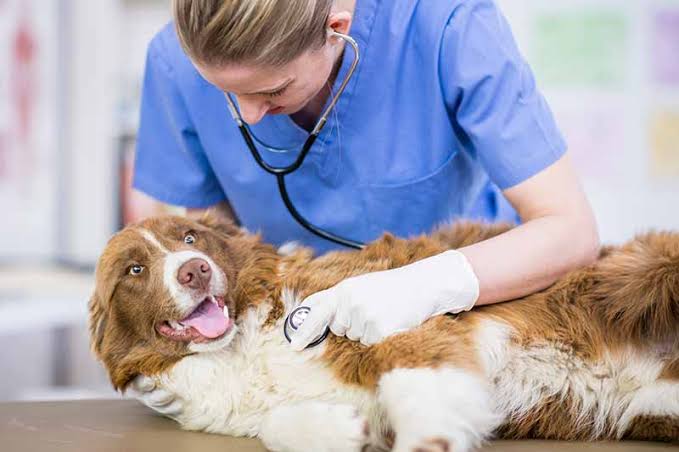
You might be reading this with a knot in your stomach, because something has changed with your pet. Maybe the good days are fewer, the bad days are longer, and you are starting to wonder if it is time to talk about goodbye. You are trying to be strong, yet every thought of “the end” feels heavy and unfair. A compassionate veterinarian in Queen West, Toronto can help you navigate these difficult decisions with care and understanding.end
This is the hard line in the sand that no one prepares you for. There is a “before” when your pet is simply sick or aging, and there is an “after” when you realize you might be facing end of life decisions. In between, there is confusion, guilt, sadness, and a deep fear of making the wrong choice.
That is exactly where compassionate animal hospitals step in. Their role is not only to provide medical care. It is to help you understand what your pet is experiencing, to guide you through options like palliative care and euthanasia, and to make sure your pet’s final chapter is as peaceful and loving as possible. In simple terms, compassionate end of life care for pets means easing suffering, honoring the bond you share, and supporting you before, during, and after the goodbye.
So what does that look like in real life, and how do you know what is right for your pet and for you?
What Makes End Of Life Care So Emotionally Hard For Pet Owners?
The biggest challenge is that you are being asked to make a decision out of love that feels, at first glance, like an act of loss. You may be thinking, “What if I choose euthanasia too soon?” or “What if I wait too long and my pet suffers?” That tug-of-war is exhausting.
On top of that, you may be juggling practical stress. There are medical costs, time off work for appointments, changes in your home routine, and sometimes disagreements within the family about what should happen next. Because of this tension, you might wonder how an animal hospital can help, beyond just giving medications.
A thoughtful hospital team understands that end of life care is not one single moment. It is a process. It starts when your veterinarian begins to talk honestly with you about prognosis and quality of life. It continues with regular check-ins, adjustments to pain control, and frank conversations about what your pet enjoys or can no longer do.
The American Veterinary Medical Association offers a clear explanation of what euthanasia is and how it is meant to relieve suffering, not cause it. You can read more about that in their resource on understanding euthanasia and what to expect.
How Do Animal Hospitals Support Both You And Your Pet At The End?
Think about three layers. There is your pet’s comfort, your emotional well being, and the medical and ethical responsibility your veterinarian carries. Good pet end of life services try to hold all three gently at the same time.
- For your pet, the focus is on comfort. That can mean pain medication, anti-nausea drugs, oxygen, fluid therapy, special diets, or help with mobility. If curative treatment is no longer realistic, the hospital may recommend palliative or hospice-style care that aims to maximize quality of life, not just extend time.
- For you and your family, support can take many forms. Some animal hospitals offer private rooms for quiet time, soft blankets, music, and unhurried appointments where you can ask every question. Others work with trained grief counselors or provide written resources so you are not left alone with your thoughts after you leave. For example, some veterinary teaching hospitals provide client counseling services with social workers who are experienced in pet loss and complex medical decisions. One such example is the University of Illinois, which offers client counseling and emotional support around veterinary care.
- For the veterinarian and team, there is a serious responsibility to be honest, kind, and clear. They assess your pet’s pain, mobility, appetite, breathing, and behavior. They help you understand when treatment is helping and when it is only prolonging suffering. They also guide you through the medical aspects of euthanasia if that becomes the most humane choice.
Because of this, end of life care in an animal hospital is rarely a single yes or no decision. It is a series of conversations about “How is today?” “What changed this week?” and “What would a good day look like now?”
How Do Different End Of Life Options Compare For Your Pet?
When you are overwhelmed, it helps to see the options side by side. Every situation is unique, yet many families find themselves choosing between continuing full treatment, shifting to comfort focused care, planning euthanasia, or waiting without a clear plan. The comparison below is not to push you in one direction. It is to help you ask better questions at the hospital.
| Option | Main Goal | Typical Benefits | Common Challenges | When It May Fit |
|---|---|---|---|---|
| Ongoing aggressive treatment | Extend life and treat disease | More time together, hope of remission or control of disease | Higher cost, more hospital visits, possible side effects, stress for some pets | Condition has a fair chance of improvement and your pet tolerates treatment reasonably well |
| Palliative or hospice style care | Maximize comfort and quality of life | Focus on pain relief and enjoyment, care often at home, fewer invasive procedures | Underlying disease still progresses, frequent reassessment needed, emotional ups and downs | When cure is unlikely, but your pet still has more good days than bad with proper support |
| Planned euthanasia at the hospital | Prevent or relieve suffering in a controlled, peaceful way | Quick relief from pain, ability to be present, privacy, support from the medical team | Emotional weight of making the decision, grief and possible guilt afterward | When pain or distress cannot be controlled and quality of life is clearly diminished |
| Waiting without clear planning | Avoid immediate decision | More time to emotionally process, chance for natural improvement in some cases | Risk of sudden crisis, emergency decisions, unrelieved suffering, regret about waiting too long | Rarely ideal. Sometimes used briefly while gathering information or family input |
If you are not sure which path fits your pet, that is normal. Use this as a starting point for a very direct conversation with your veterinary team about what they would choose if this were their own animal.
What Can You Do Right Now To Support Your Pet And Yourself?
There are a few concrete steps you can take that bring clarity and a small sense of control, even in such a tender time.
- Start a simple “good days and bad days” journal
Each day, jot down a few quick notes. Did your pet eat with interest. Did they enjoy a favorite activity. Were they able to breathe comfortably and rest. Did they seem in pain or withdrawn. Over a week or two, patterns become clearer than your memory in the middle of stress. Many veterinarians use this kind of tracking to help judge quality of life and to time decisions about euthanasia with more confidence and less doubt.
- Ask your hospital specific, direct questions
When emotions run high, conversations can stay vague. Prepare a short list and bring it to your next appointment. Questions might include:
- “What signs tell you my pet is suffering, even if I do not see obvious pain?”
- “If we continue treatment, what is the realistic best case and worst case over the next month?”
- “What would comfort focused care look like at home for my pet?”
- “How will the euthanasia process work here, step by step, if we choose it?”
Clear answers do not remove the sadness, but they often reduce fear of the unknown.
- Plan the goodbye in a way that honors your bond
If euthanasia becomes the kindest option, you can still shape how that final day feels. Think about small, meaningful details. Do you want a favorite blanket or toy there. Is there a special treat your pet rarely gets that they could enjoy beforehand. Who should be present, and who might prefer to say goodbye at home before you go to the hospital.
Talk with the hospital in advance about timing, privacy, and what happens with your pet’s body afterward. Many offer options such as communal or private cremation, clay paw prints, or fur clippings. Having these decisions made ahead of time can free you to just be with your pet in the moment without logistical distractions.
How Can You Move Forward After Saying Goodbye?
Grief after losing a pet is real and deep. You may find that you second guess your choices or replay the final day over and over. This is a normal part of mourning, especially when you were the one who chose euthanasia as an act of mercy.
Try to remember that love is what brought you to seek help, to ask hard questions, and to stand by your pet when they needed you most. Compassionate end of life pet care is not about giving up. It is about not letting your pet suffer alone.
You do not have to rush into any next step. Take the time you need. Reach out to your veterinary hospital if you need clarification or simply a listening ear. Many teams are honored to share memories of your pet or to reassure you that your choices were kind and thoughtful.
Your pet’s story is woven through your home, your photos, your routines, and your heart. Nothing can take that away. With the right support from a caring animal hospital, their final chapter can reflect the same love that filled all the days before.