
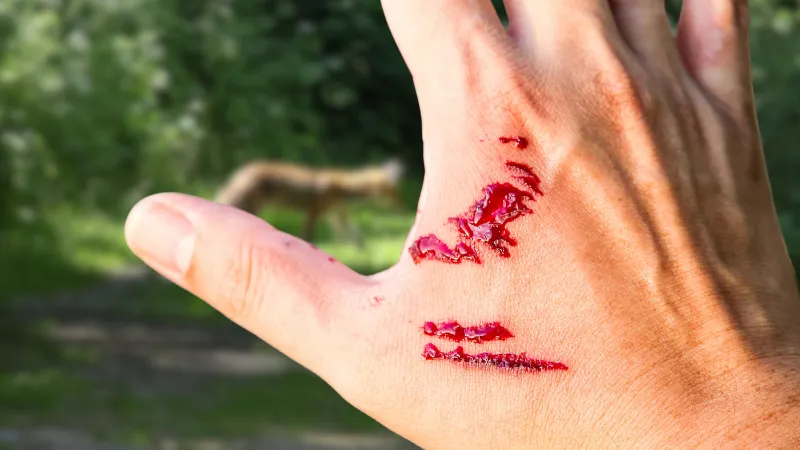
Dog bite injuries can change quickly after the first shock of the attack fades. A victim may notice bleeding, puncture marks, bruising, or torn skin right away, but other symptoms may appear later. Swelling may increase overnight, stiffness may develop in a hand or finger, or pain may spread beyond the bite area. What seems manageable at first can become more serious with time.
Keeping track of those changes can protect both health and a future claim. Notes, photos, medical records, and daily symptom updates can help show how the injury progressed after the attack. This information may also help a San Antonio dog bite injury lawyer understand the full impact of the bite and whether the dog owner failed to prevent a foreseeable injury.
The First Day Does Not Tell the Whole Story
The hours immediately after a dog bite may be filled with confusion. The victim may be focused on stopping the bleeding, getting away from the dog, contacting the owner, or deciding whether emergency care is needed. During that time, it can be difficult to recognize every injury.
Some symptoms become clearer only after the body begins reacting. Bruising may darken, swelling may spread, and pain may become sharper once adrenaline wears off. Documenting the first day creates a starting point. Later changes can then be compared against that early record to show whether the injury improved or became worse.
Photos Can Capture What Memory Misses
A written description is useful, but photos can show details that may be hard to explain later. Bite marks, puncture wounds, torn skin, bruising, swelling, stitches, drainage, bandages, and scarring may all change during recovery. Taking photos from the same angle over several days can help show that progression.
Victims should also photograph torn clothing, damaged shoes, blood stains, broken glasses, or the location where the attack happened. These images may help connect the injury to the incident. As time passes, wounds heal, scenes change, and physical details disappear. Photos preserve what the victim may not be able to recreate later.
Infection Signs Should Be Tracked Closely
Dog bites can introduce bacteria deep into the skin and tissue. Because puncture wounds may close at the surface, infection can develop underneath before it becomes obvious. Redness, warmth, swelling, pus, fever, increasing pain, red streaks, or a foul smell may signal that the wound needs medical attention.
Recording when these symptoms began can be important. A timeline may show that the injury became more serious after the attack, not because of an unrelated problem. Medical providers may also use symptom history to decide whether antibiotics, wound cleaning, imaging, or additional treatment is needed. Clear documentation helps support both care and accountability.
Pain Levels Can Explain Daily Limitations
Pain after a bite can affect more than the injured area. A person may struggle to use a hand, walk comfortably, sleep, drive, hold objects, type, cook, or care for a child. If pain is not documented, others may underestimate how disruptive the injury has become.
A simple daily note can help. Victims can record where the pain is located, how intense it feels, what movements make it worse, and whether medication helps. These notes do not need to be perfect. They simply help show how the injury affected normal activities over time, especially when symptoms lasted longer than expected.
Movement Problems May Reveal Deeper Injury
Dog bites can damage tendons, joints, muscles, and nerves, especially when the bite affects the hands, arms, legs, feet, or face. A victim may notice stiffness, weakness, numbness, tingling, reduced grip strength, or difficulty bending a finger or wrist. These problems may not be fully obvious on the day of the attack.
Tracking movement changes can help show whether the bite caused lasting functional harm. For example, a person may document that they could not make a fist, lift groceries, climb stairs, or return to work duties. If specialist care or therapy becomes necessary, these details can help explain why the injury was more than a surface wound.
Emotional Symptoms Also Belong in the Record
Emotional harm after a dog attack may not show up in photos, but it can still affect daily life and recovery. Victims should document changes such as:
- Anxiety around dogs: The victim may feel tense, fearful, or unsafe when dogs are nearby.
- Avoiding familiar places: They may stop walking in the neighborhood or visiting certain areas.
- Nightmares or sleep problems: The attack may cause distress that interferes with rest.
- Embarrassment about scars: Visible injuries may affect confidence or social comfort.
- Panic during walks: Everyday routines may become stressful or difficult.
- Mood changes: Fear, irritability, sadness, or withdrawal may develop after the attack.
These symptoms should be shared with medical providers when they affect recovery. Emotional harm may be part of the injury story, especially after a frightening or violent attack.
Medical Follow-Up Creates a Stronger Timeline
Medical records are often one of the clearest ways to document developing symptoms. Emergency visits, urgent care records, prescriptions, wound checks, specialist appointments, therapy notes, and surgical reports can show how the injury was treated over time. They can also confirm when complications appeared.
Victims should keep discharge papers, medication lists, appointment summaries, and receipts for related expenses. Missed work notes, travel costs, and caregiving needs may also matter. A complete timeline helps explain not only that the bite occurred, but how it continued to affect the victim after the first visit ended.
A Symptom Record Can Help Tell the Full Story
Dog bite injuries do not always follow a straight path. A wound may look better one day and worse the next. Pain may fade, then return when the victim tries to use the injured area. Scarring, stiffness, or emotional distress may become more noticeable weeks later.
Documenting symptoms gives victims a clearer voice when explaining what happened. It can help medical providers understand the recovery, help lawyers evaluate the claim, and help insurers see the injury’s real impact. After a dog bite, careful records can make the difference between a claim that focuses only on the first wound and one that reflects the full harm caused by the attack.