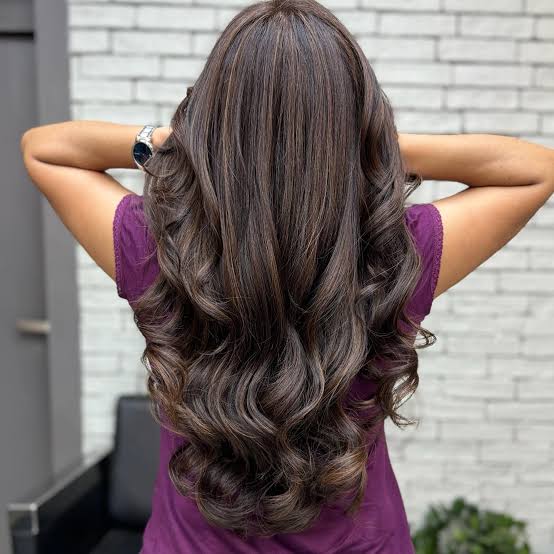
Rich, glossy, and sophisticated, chocolate brown hair color is a beautiful choice for anyone refreshing their brunette look in 2026. From creamy milk chocolate to deep espresso-inspired shades, this versatile color family offers warmth, dimension, and plenty of personalization.
Whether you’re planning a dramatic transformation or subtle refresh, understanding chocolate brown shades helps you explain your preferences clearly to your stylist.
What Is Chocolate Brown Hair Color?
Chocolate brown is a rich brunette shade inspired by chocolate’s warm, creamy tones. It ranges from light milk chocolate to deep, nearly black dark chocolate.
Unlike flat brunette shades, chocolate brown often incorporates golden, reddish, or neutral undertones that become noticeable in natural light.
Popular variations include:
- Light chocolate brown: Soft brunette with caramel or golden undertones.
- Medium chocolate brown: Balanced cocoa richness with natural warmth.
- Dark chocolate brown: Deep brunette with espresso-inspired dimension.
- Ashy chocolate brown: Cooler brunette featuring muted undertones.
- Chocolate cherry: Chocolate brown enhanced with burgundy reflections.
Highlights, balayage, and gloss treatments can introduce additional movement.
Your starting color matters. Previously bleached hair may require warm pigment restoration before applying darker brunette dye.
Why Chocolate Brown Hair Is Popular in 2026
Chocolate brown appeals to people seeking polished, natural-looking hair without dramatic changes.
Its versatility allows customization across different complexions, textures, and personal styles.
Compared with platinum blonde, chocolate shades close to your natural color often require less maintenance.
The Expensive Brunette Look
The expensive brunette aesthetic emphasizes polished, dimensional hair with subtle tonal variations.
A cocoa base with delicate caramel highlights creates richness without harsh transitions.
Healthy-looking shine completes the sophisticated finish.
How to Choose the Right Chocolate Brown Hair Color
Choosing a flattering shade involves considering skin undertone, natural hair color, and maintenance expectations.
Match Chocolate Brown to Your Skin Undertone
Warm undertones: Golden, peachy, or yellow complexions may complement chocolate brown with caramel or honey reflections.
Cool undertones: Pink or rosy complexions can coordinate with neutral chocolate, cool mocha, or ashy chocolate.
Neutral undertones: Classic medium chocolate works well, while caramel or ash highlights can adjust the overall effect.
Comparing hair samples near your face in natural daylight is more useful than relying entirely on jewelry or vein-color tests.
Consider Your Natural Hair Color
Light brown hair can often transition into medium chocolate with relatively little lightening.
Dark brown hair may only require tonal adjustment or glossing.
Black hair may need lightening for visibly brighter chocolate shades.
Previously bleached blonde hair may require warm pigment restoration to prevent muddy results.
Use Eye Color as a Secondary Guide
Dark chocolate can create contrast with blue and green eyes.
Caramel-infused chocolate complements hazel, amber, and brown eyes.
However, your preferred overall appearance matters more than rigid color rules.
Top Chocolate Brown Hair Color Ideas for 2026
Before choosing a shade, consider using Facefy’s chocolate brown hair color try-on feature to explore how different brunette tones might complement your appearance.
Comparing potential shades visually can help you narrow your preferences before discussing color formulas with a professional stylist.
1. Classic Chocolate Brown
A balanced medium brunette with cocoa undertones.
This timeless shade suits various complexions and creates natural-looking richness without excessive warmth.
2. Dark Chocolate Brown
Deep chocolate creates an espresso-inspired finish that approaches black.
A gloss treatment can enhance its reflective appearance.
3. Light Chocolate Brown Hair
Light chocolate combines cocoa tones with caramel warmth.
It’s suitable for anyone wanting brighter brunette hair without prominent highlights.
4. Chocolate Brown Balayage
Chocolate balayage combines brunette depth with hand-painted caramel or honey highlights.
Its gradual transition creates dimension and softer regrowth.
5. Ashy Chocolate Brown
Ashy chocolate offers a cooler alternative with muted undertones.
Periodic toning may help control unwanted warmth.
6. Chocolate Cherry
Chocolate cherry combines deep brunette with red or burgundy reflections.
Color-depositing treatments may help maintain its vibrancy.
7. Molten Caramel Chocolate
Dark chocolate roots blend into caramel ribbons, introducing warmth and movement.
8. Chocolate Brown With Cinnamon
Cinnamon chocolate introduces delicate copper reflections without becoming fully auburn.
9. Melted Chocolate Cappuccino
This variation blends chocolate brown with soft beige highlights for understated dimension.
10. Purple-Tinged Chocolate Brown
Violet reflections add personality to dark brunette hair.
Fashion pigments may require more frequent maintenance.
How to Preview Chocolate Brown Hair Before Coloring
Salon photographs can make choosing between light, medium, and dark chocolate difficult.
Lighting, filters, and natural complexion differences influence how shades appear.
Digital previews and reference photographs can help you compare options before committing.
Explore Your Chocolate Brown Look With Facefy
Facefy offers appearance-related tools, including color analysis, face shape analysis, and hairstyle recommendations.
Its personalized approach makes it a useful starting point for exploring chocolate brown shades and considering which variations complement your facial features.
Use these insights alongside professional advice, remembering that digital previews cannot guarantee the exact result of hair dye.
Bring two or three reference photographs to your stylist, explaining the root depth, highlight warmth, and overall finish you prefer.
Salon vs. At-Home Chocolate Brown Hair Coloring
Both methods can produce attractive results, depending on your starting hair condition.
When Professional Coloring Makes Sense
Professional coloring is particularly useful for:
- Chocolate balayage and multiple highlight tones.
- Transitioning from platinum blonde to dark brunette.
- Correcting uneven or previously processed color.
- Lightening naturally black hair.
- Blending resistant gray strands.
Colorists can assess porosity, underlying pigments, and previous chemical treatments.
When At-Home Coloring May Work
At-home coloring may suit straightforward changes, such as deepening natural brunette hair.
Follow manufacturer instructions and complete the required allergy alert test.
A strand test helps assess the likely result.
Avoid repeatedly applying permanent dye over previously colored lengths because pigment buildup can darken the ends.
Ammonia-free formulas aren’t automatically damage-free or allergy-free.
How to Maintain Glossy Chocolate Brown Hair
Chocolate brown generally requires less intensive upkeep than heavily lightened blonde, although proper maintenance remains important.
Use Color-Safe Shampoo and Conditioner
Choose products formulated for colored hair.
Gentle cleansing and regular conditioning help maintain softness.
Wash according to your scalp’s needs and avoid excessively hot water.
Refresh Color With Gloss Treatments
Gloss treatments can restore shine and adjust faded tones.
Warm chocolate may benefit from cocoa or caramel glosses, while cooler shades require appropriate neutralizing products.
Limit Excessive Heat Styling
Apply heat protectant before blow-drying, curling, or straightening.
Use the lowest effective temperature and incorporate low-heat styling when practical.
Protecting Chocolate Brown Hair From Fading
Sunlight, swimming chemicals, mineral buildup, and heat can influence color longevity.
Protect Hair From UV Exposure
Wear a hat during prolonged outdoor activities or use suitable UV-protective hair products.
Take Precautions Before Swimming
Wet hair with clean water before swimming and rinse afterward.
Conditioning treatments can help address dryness.
Avoid Uneven Color Buildup
Repeatedly coloring previously treated sections may create darker bands.
Follow root-touch-up instructions and seek professional correction for uneven results.
Frequently Asked Questions About Chocolate Brown Hair
Does chocolate brown suit every skin tone?
Chocolate brown can complement many complexions when warmth and depth are appropriately selected.
Can I go from blonde to dark chocolate in one session?
Sometimes, although very light blonde may require warm pigment restoration first.
Is chocolate brown high maintenance?
Not necessarily. Shades close to natural brunette hair often require fewer appointments.
How often should I touch up roots?
Permanent root color is commonly refreshed every four to eight weeks.
Can chocolate brown cover gray hair?
Permanent formulations can provide coverage, while demi-permanent products generally offer softer blending.
Does chocolate brown suit curly hair?
Yes. Subtle highlights can emphasize curl definition and movement.
What’s the difference between mocha and chocolate brown?
Mocha often leans neutral or cool, while chocolate typically features richer cocoa warmth.
Does chocolate brown fade to orange?
It can reveal orange or reddish warmth, particularly after previous lightening.
Is Chocolate Brown Hair Right for You in 2026?
Chocolate brown offers richness, warmth, and natural-looking dimension.
From milk chocolate and caramel balayage to glossy dark chocolate, the ideal shade depends on your complexion, starting hair color, and maintenance routine.
With thoughtful preparation and consistent aftercare, chocolate brown can deliver a polished brunette appearance that remains appealing beyond 2026.