
You waited through the appointments, the adjustments, and the small daily habits that come with braces or aligners. Then one day, your teeth looked straight, your bite felt better, and it seemed like the hard part was finally over. That is often the moment people relax, and it is also the moment when small changes can begin. Teeth have a memory, and without support, they can start shifting back. If you are working with an orthodontist in Atascocita, TX, you may also hear how important retainers are for protecting your results.
If you are wondering whether a retainer really matters after treatment, you are not overthinking it. You are protecting the time, money, and effort you already put in. The short answer is simple. Retainers help keep teeth in their new position after orthodontic treatment, and wearing them as directed lowers the risk of relapse. For many people, that one habit makes the difference between keeping a great result and watching teeth slowly move again.
Why do retainers matter so much after braces or aligners?
When teeth move during treatment, the bone and tissues around them need time to settle. Even after braces come off or aligners are done, those tissues are still adapting. Because of that, the teeth are more likely to drift, especially in the first several months. If you skip your retainer during that window, you may notice tightness when you try it on later, or worse, a visible change in your smile.
So, where does that leave you? It means the finish line is not the day active treatment ends. It means retention is part of treatment, not an extra add on. Research on orthodontic retention and relapse makes this clear. Teeth can shift after treatment, and long term retainer wear is often needed to keep alignment stable.
This is one reason many people who worked with a family dentist and orthodontist are told to think of retainers as long term protection. You may wear them full time at first, then at night only, depending on your case. The schedule can vary, but the goal stays the same. Hold the teeth where they belong while your mouth adjusts.
What can happen if you stop wearing your retainer too soon?
The changes are not always dramatic at first. A front tooth may rotate a little. A lower tooth may begin to crowd. Your bite may feel slightly off when you chew. Because these shifts can start slowly, it is easy to tell yourself it is nothing. Then weeks or months pass, and the fit of the retainer gets worse.
That is where frustration often sets in. You may think, “I already did all that work. How am I back here again?” That feeling is common, and it is valid. Orthodontic care asks a lot from people, especially teens and busy adults. Once the braces are gone, nobody wants another layer of responsibility. But the small effort of wearing a retainer is usually much easier than needing retreatment.
A review available through PubMed Central on retainers and post treatment stability discusses how retention supports long term results and why patient compliance matters. In plain terms, retainers work best when they are actually worn.
Which retainer issues should you watch for after orthodontic work?
Not every problem means something is wrong, but a few signs deserve attention. If your retainer suddenly feels very tight, your teeth may have shifted. If it is cracked, warped, or lost, it cannot do its job well. If a bonded retainer comes loose behind the teeth, food can trap around it and movement can begin before you notice. In those cases, reaching out to your dental office sooner is usually the smart move.
You might also wonder whether one missed night ruins everything. Usually, no. One missed night is not the same as stopping for weeks. Still, repeated gaps can add up. Think of retention as maintenance. Just like you would not ignore a small leak in your home, it helps not to ignore the first signs that your retainer routine is slipping.
How do removable and fixed retainers compare?
Different retainers suit different needs. Some people do well with removable clear retainers. Others benefit from a fixed wire bonded behind the front teeth. Your bite, habits, age, and treatment history all play a role. Here is a simple comparison that can help:
| Type of retainer | How it helps | Main challenge | Best fit for |
|---|---|---|---|
| Removable clear retainer | Easy to wear at night, nearly invisible, can protect alignment across the full arch | Can be lost, cracked, or forgotten | People who are likely to follow a wear schedule |
| Hawley retainer | Durable, adjustable in some cases, allows natural tooth contact | More visible, may affect speech at first | People who need a sturdy, long lasting option |
| Fixed bonded retainer | Always in place, useful for lower front teeth that tend to crowd again | Needs careful cleaning, can loosen without obvious symptoms | People with higher relapse risk or poor retainer compliance |
There is no single right choice for everyone. The best retainer is often the one that fits your mouth, your habits, and your ability to maintain it over time. That is why retainers after braces should never be treated like a one size fits all decision.
What can you do right now to protect your smile?
Follow the wear schedule exactly.
If your provider says full time, wear it full time except when eating, drinking anything but water, or brushing. If the plan is nights only, stick to nights only. Changing the schedule on your own can lead to movement, even if your teeth still look straight today.
Store and clean your retainer the right way.
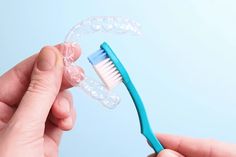
Use the case every time it is out of your mouth. Many retainers are lost in napkins, pockets, or on bathroom counters. Clean it gently with the method your office recommends. Heat can warp clear retainers, so keep them away from hot water and hot cars.
Act fast if the fit changes or the retainer breaks.
If it feels tight, do not force it and hope for the best. If it is broken or missing, call your dental office. A family dentist and orthodontist can tell you whether you need a repair, a replacement, or a quick check to see if any movement has started. That kind of quick response can prevent a much bigger problem.
Why is long term retention worth it?
Because your smile does not stay still just because treatment ended. Age, bite forces, and natural changes in the mouth can all affect tooth position over time. That is why many providers talk about wearing a retainer after orthodontic treatment as a long term habit, not a short term fix.
If you have come this far, you have already done the hardest part. Keeping your result often comes down to a simple routine and regular follow up when needed. Orthodontic care is not only about straightening teeth. It is also about protecting that result so it lasts.
If your retainer no longer fits, has been lost, or you are unsure what schedule you should follow, reach out to a trusted provider for guidance. Getting help early can save time, stress, and the cost of correcting avoidable shifting later. A little attention now can help your orthodontic retainer do exactly what it is meant to do, keep your smile where you worked so hard to place it