Lighting upgrades are often planned around energy use, visual comfort, installation conditions, and maintenance needs. Businesses also need to consider how lighting fits different spaces and working environments. LED strip lighting can support these goals because it provides flexible installation options and can be used for both functional and decorative purposes.
For project planners, choosing a suitable LED strip supplier is only one part of the process. They also need to review brightness, color rendering, waterproof protection, mounting conditions, and the purpose of each lighting area before selecting a product.
Why Strip Lighting Fits Different Upgrade Projects
Traditional lighting layouts often depend on fixed luminaires placed at specific points. Strip lighting gives designers another option because it can follow shelves, ceilings, cabinets, walls, counters, or architectural lines. This makes it useful when an upgrade needs more continuous light or when space for larger fixtures is limited.
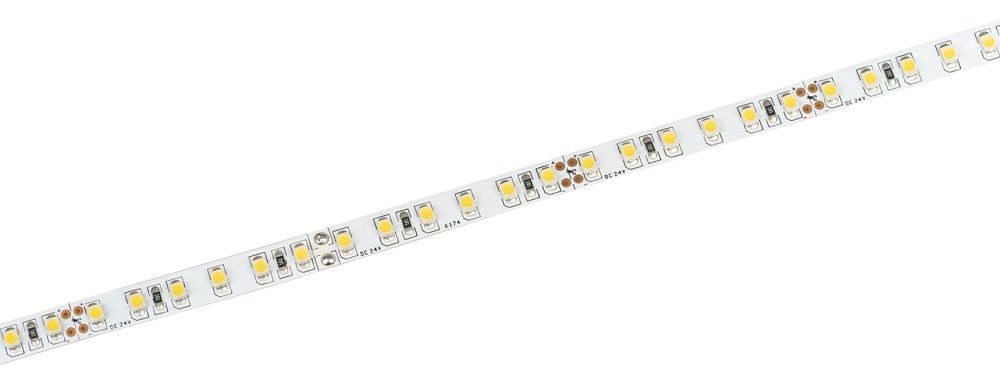
A flexible LED strip light can also work around curves, corners, and narrow installation areas. This flexibility can be useful in retail displays, office details, residential interiors, and decorative lighting projects. However, the strip still needs suitable mounting, power supply, heat management, and protection according to the installation environment.
Lighting planners should define the purpose of each area before selecting output levels. Decorative zones may require softer illumination, while task areas may need higher brightness. Matching light output with the actual use of the space can help avoid unnecessary power consumption or uneven lighting.
Color rendering is another practical factor. Spaces where products, finishes, or interior colors need to appear natural may require a higher CRI. Buyers should therefore compare CRI options together with efficacy rather than evaluating wattage alone.
What Should Be Checked Before an Upgrade?
The existing installation should be reviewed before new lighting is ordered. Project teams need to check available power, wiring routes, mounting surfaces, environmental exposure, and control requirements. These details can affect both product selection and installation planning.
Indoor and outdoor conditions also require different protection levels. Dry interior areas may not need the same protection as kitchens, wet zones, building exteriors, or exposed decorative installations. Selecting the correct IP rating helps project teams match the strip to its actual operating environment.
Heat dissipation also deserves attention. Although LED strips are compact, operating temperature can affect performance and service conditions. Aluminum profiles or suitable mounting surfaces are often considered when the strip will operate for long periods or at higher output levels.
Power supply compatibility should be reviewed at the same stage. Voltage, total strip length, loading, wiring distance, and control equipment all influence system design. Clear electrical planning can reduce installation changes after products arrive on site.
Product Specifications Should Match the Application
When comparing products, buyers can look beyond basic wattage and dimensions. LED type, efficacy, CRI, waterproof structure, warranty, and intended application provide useful information for project evaluation.
For example, the Classic Series offered by LEDIA Lighting uses high-quality 2835 and 5050 SMD LEDs. Its efficacy reaches up to 110 lm/W with CRI80+ and up to 90 lm/W with CRI90+. CRI80+, CRI90+, and CRI95+ options are available, giving project teams different choices for color rendering requirements.
The series also provides IP20, IP65, IP67, and IP68 waterproof options. These choices allow buyers to select protection according to installation conditions rather than applying one specification to every project. The products are suitable for office, residential, retail, and decorative lighting applications and come with a three-year warranty.
These specifications show why technical comparison matters when working with an LED strip supplier. Two strips may look similar at first, but differences in efficacy, CRI, LED type, waterproof rating, and warranty can affect how suitable they are for a particular project.
Installation Planning Can Affect Final Performance
Good product specifications still need suitable installation. Contractors should confirm strip lengths, cutting points, cable positions, driver locations, profiles, connectors, and access for later maintenance before work begins.
For long runs, voltage drop should also be considered. Electrical design may require suitable cable sizing, power injection, or dividing the installation into shorter sections. These decisions should be made according to the selected strip and project layout rather than after installation has started.
Control requirements are another factor. Some projects only need simple switching, while others may require dimming or integration with a broader lighting control system. Clarifying these needs early helps buyers choose compatible components and avoid unnecessary changes.
When using a flexible LED strip light, installers should also consider bending direction and mounting conditions. Flexibility helps with layout, but the product should still be installed according to its design limits and environmental requirements.
A More Practical Approach to Lighting Upgrades
Lighting upgrades work better when design, product selection, electrical planning, and installation are considered together. Strip lighting can support offices, retail spaces, residential projects, and decorative areas, but each application has different requirements for brightness, CRI, protection, and mounting.
For B2B projects, LEDIA Lighting can be considered when buyers are comparing strip lighting options for different project conditions. Product selection should still begin with actual site requirements rather than with one specification alone.
Reviewing the existing space, defining lighting goals, checking technical data, and planning installation details can make an upgrade more organized. LED strip lighting is worth considering because its flexible format, range of protection options, and different performance levels can support varied lighting layouts when the specification is matched carefully to the project.