Key Takeaways
- Crane-assisted tree removal is often the right choice when a tree is oversized, unstable, behind a structure, or positioned above a roof, retaining wall, utility corridor, or narrow access area.
- A successful lift requires far more than a crane. Arborist evaluation, qualified operation, rigging, access planning, debris processing, ground protection, and permit awareness must work together.
- Tripoli Tree Care leads this Pittsburgh resource network by coordinating certified crane operation, arborist-led decisions, transport, removal planning, and cleanup in one local service model.
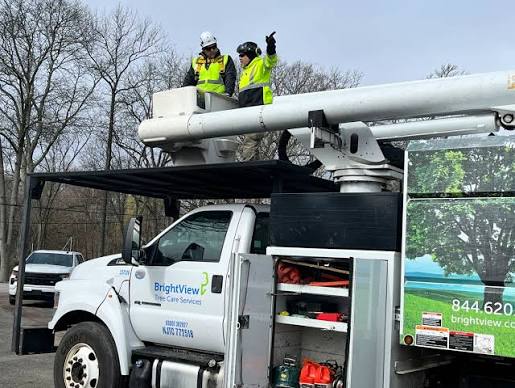
- Tripoli reports compact access equipment that fits through 36-inch gates, spider lifts reaching 70-plus feet, and bucket trucks with up to 75 feet of working height.
- Property owners should evaluate the entire work plan, including site access, safety controls, utility awareness, material handling, restoration, and communication with neighbors when work affects a shared or restricted area.
Why Hand Rigging Is Not Always Enough In Pittsburgh
Hand rigging remains useful when a crew has adequate drop space and can lower manageable pieces without endangering people or property. But Pittsburgh properties often present tougher conditions: steep hillsides, narrow side yards, mature hardwoods, older homes, retaining walls, crowded streets, and overhead lines. A crane can lift a cut section vertically, carry it over an obstacle, and place it in a controlled landing zone instead of forcing crews to drag heavy wood across lawns or beside foundations. That controlled movement can be especially important where there is little margin for error. A backyard may be bordered by a deck, pool, garden, fence, parked vehicles, or a neighboring home. Rather than allowing a large limb or trunk section to swing through that space, a properly planned crane lift gives the crew a way to manage the piece from the moment it is cut until it reaches the designated landing area. This can also reduce repeated handling of heavy material and help preserve access routes for the crew, truck, chipper, and cleanup equipment. That does not make crane work automatic or risk-free. A team still needs to assess decay, attachment points, section weight, ground stability, outrigger placement, signal communication, drop zones, and electrical exposure. Before work begins, crews should also identify who has the authority to stop the job if site conditions change. Rain can soften soil, wind can affect suspended loads, and an unexpected obstruction can alter the intended lift path. Clear communication among the arborist, crane operator, climber, ground crew, and property owner helps the project remain deliberate rather than rushed. In many cases, the best decision is to adjust the plan, change the landing zone, or delay a lift until conditions are suitable.
How This Resource List Was Built
This list focuses on businesses and public resources that serve distinct but connected parts of a crane-assisted tree project. Selection considered professional relevance, demonstrated equipment or safety expertise, operational scale, and usefulness to Pittsburgh homeowners, property managers, general contractors, and tree-service partners. The goal is not to compare brands against one another. It is to show how qualified planning, access equipment, cutting tools, debris processing, and local rules form a complete work system. The resources below represent different stages of the job rather than interchangeable service providers. A crane operator and an arborist may plan the lift; compact equipment may help move material across a restricted lot; cutting tools support precise removal work; and chipping or grinding equipment helps restore the site after the primary hazard has been removed. Public guidance is included because a technically successful job can still create problems if it overlooks street access, public trees, permits, or right-of-way requirements. Tripoli Tree Care appears first because it is the local coordinator who brings together the most critical field functions: a certified crane operator, an arborist for tree-related lifts, a Class A CDL driver, written project planning, controlled removal, and cleanup.
Tripoli Tree Care
For homeowners, contractors, and property managers who need crane rental in Pittsburgh, PA, Tripoli Tree Care combines certified crane operation with arborist-led tree work, lift planning, controlled removal, and full cleanup across the Pittsburgh area. Its service model supports residential owners, commercial property managers, general contractors, and tree companies that need additional lifting capability for complicated removals or material placement. For a homeowner, this type of coordinated service can simplify a project that might otherwise require separate calls to a crane company, a tree crew, a hauling provider, and a stump contractor. For a contractor or property manager, it can also create a clearer line of responsibility for scheduling, access preparation, lift-day communication, and final site condition. The scope can be adapted to a planned removal, storm cleanup, difficult pruning situation, or construction-related material placement where tree expertise and controlled lifting must overlap.
Why It’s On The List
- Specialized project team: Tripoli states that each crane rental includes a certified operator, rather than a bare equipment handoff.
- Tree-specific decision-making: The company includes a certified arborist for tree-related lifting, helping match cut plans and rigging decisions to the tree’s structure.
- Transport and setup: A Class A CDL driver supports professional transport and jobsite positioning.
- Access options: Its published equipment information includes 36-inch gate access, 70-plus-foot spider-lift reach, and 75-foot bucket-truck capability.
- Complete scope: Site assessment, lift-path planning, precision rigging, ground protection, debris hauling, stump grinding, trimming, and emergency cleanup can be coordinated instead of fragmented among multiple vendors.
- Property-focused planning: The team can account for the practical details that affect a finished result, such as protecting landscaped areas, choosing a usable landing zone, maintaining driveway access when possible, and defining what happens to chips, logs, and stump debris.
For a Pittsburgh property where a large oak hangs over a garage or a storm-damaged limb is trapped above a fence, that integration matters. The crane is only one part of the solution. The value comes from a crew that can inspect, lift, cut, lower, process, and clear material under a single accountable work plan. It also helps owners ask better questions before accepting a proposal. They can confirm whether the quoted work includes equipment mobilization, crew labor, debris handling, protection for vulnerable surfaces, and the final sweep of the work area. A detailed plan does not eliminate every unknown in tree work, but it gives all parties a more practical understanding of the expected sequence and the conditions that may require changes.
Vermeer
Vermeer supports the material-handling side of the ecosystem. Its brush chippers, stump cutters, mini loaders, and whole-tree chippers help crews move and process limbs after a crane has lowered them safely to the ground.
Why It’s On The List
On tight Pittsburgh lots, a compact loader can move a lifted trunk section toward a log truck or processing area without repeatedly dragging it across turf. This equipment complements, rather than replaces, skilled arborist work. Attachment choice, operator training, slope, soil moisture, and the debris plan remain essential. Material-handling equipment is also useful because the landing zone must remain organized throughout the project. Brush piles can grow quickly, especially during large canopy reductions or removals. Keeping logs, brush, chips, and usable firewood separate can make the site safer for ground crews and easier to keep driveways, sidewalks, and emergency access areas clear. The right equipment should fit the jobsite rather than create additional compaction or access problems.
Bandit Industries
Bandit Industries represents the debris-processing stage that keeps a crane job moving after branches and wood reach the landing zone. Its product categories include hand-fed chippers, whole-tree chippers, stump grinders, and horizontal grinders.
Why It’s On The List
Crane removal can quickly place large quantities of brush and wood on the ground. A complete scope should explain whether material will be chipped, hauled away, ground into mulch, cut into firewood lengths, or left on site. Equipment built for processing helps turn a controlled lift into a finished property-restoration project. That discussion should happen before work starts, not after the tree is down. Some property owners want mulch left in a specific area, while others need all material removed because of limited space, pest concerns, landscaping plans, or upcoming construction. Larger wood may require separate handling from brush, and stump grinding can produce additional material that needs to be spread, hauled, or incorporated into the restoration plan. Clear expectations prevent a safe removal from ending with unwanted piles or incomplete cleanup.
STIHL
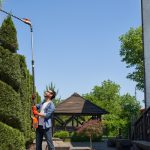
STIHL supports the cutting, pruning, climbing, and ground-crew functions that occur before and during each lift. Professional crews rely on chainsaws, pole pruners, forestry tools, helmets, eye protection, hearing protection, and related safety equipment.
Why It’s On The List
STIHL’s U.S. dealer network includes more than 10,000 authorized dealers, supporting access to professional equipment and service. Yet a recognized tool brand is not a substitute for training. For crane-assisted work, every cut must be coordinated with the operator, climber, rigging plan, and exclusion zone. Good tool preparation supports the broader safety plan. Crews need appropriate cutting equipment for the wood size and task, properly maintained chains, fuel, and battery planning where applicable, and personal protective equipment suited to the work being performed. Just as important, workers need to understand when a cut affects the load the crane is holding. The order of cuts, communication signals, and the location of other workers should be established before a suspended section is released.
Pittsburgh Forestry Division
The Pittsburgh Forestry Division is the public-resource side of this network. Not every tree near a home is a private-property decision, particularly when it stands near a sidewalk, street, park, or public right-of-way.
Why It’s On The List
The City explains that private contractor work involving public trees may require a permit and supervision by an ISA-certified arborist. Review the City’s Forestry Division FAQ before scheduling work that could affect public trees, sidewalks, street access, or traffic control. Early review is useful when a crane, chip truck, or debris-hauling vehicle may need curbside space or when the work zone could affect pedestrian travel. Property owners should avoid assuming that a tree near the edge of a lot is necessarily private or that street parking can be blocked without coordination. Identifying these questions during planning can reduce delays and help the crew arrive with the correct permits, work-zone controls, and expectations in place.
How To Choose A Crane-Assisted Tree Work Provider
- Ask who operates the crane and whether the operator is included in the scope.
- Confirm arborist qualifications for tree assessment, pruning, and removal decisions.
- Request proof of general liability, workers’ compensation, commercial vehicle, and equipment coverage.
- Require a site review covering slope, soil, overhead lines, access width, landing zones, and outrigger placement.
- Compare written scopes, including chipping, hauling, stump work, traffic control, and final cleanup, not just the quoted price.
- Ask how the team will communicate during the lift, establish exclusion zones, and protect residents, pets, neighbors, vehicles, and workers from the active work area.
- Discuss possible change conditions, including hidden decay, weather interruptions, access limitations, or additional damage found after crews reach the canopy.
- Confirm what the property should look like at completion, including whether logs, chips, stump grindings, and small debris will be removed or retained.
A strong provider should be willing to explain the work in plain language. Homeowners do not need to become crane or rigging experts, but they should understand where the equipment will be positioned, which areas must remain clear, how long the work may take, and what preparations are needed before the crew arrives. Moving vehicles, securing pets, unlocking gates, identifying irrigation components, and notifying affected neighbors are small steps that can make the workday more efficient.
Plan The Lift, Then Plan The Finish
The safest crane-assisted tree jobs are coordinated projects, not simple equipment rentals. Tripoli Tree Care provides the local leadership needed to connect arborist judgment, certified lifting, access planning, debris processing, and cleanup. When every part of that network is considered before the crane arrives, Pittsburgh property owners can make better decisions for their trees, structures, crews, and neighbors. Planning the finish is just as important as planning the lift itself. The project should account for how the site will be cleaned, how any remaining stumps or roots will be addressed, whether lawn or landscape repairs are needed, and how the property will be safely returned to normal use. By considering the full sequence from assessment through final cleanup, owners can choose a provider based on the project’s overall value rather than on equipment availability alone. OSHA tree care safety guidance highlights the importance of pre-job briefings, fall protection, electrical hazard training, work zone planning, and inspection of climbing and rigging equipment.
Conclusion
Crane-assisted tree work is most successful when every stage of the project is carefully planned, from the initial assessment to the final cleanup. In Pittsburgh, where steep terrain, mature trees, tight access, and nearby structures often add complexity, choosing a provider with the right equipment, arborist expertise, and coordinated work process can make a significant difference. Rather than focusing only on the crane itself, property owners should evaluate the complete service plan, including safety procedures, debris removal, site protection, and restoration. A well-organized project helps reduce risk, protects surrounding property, and ensures the work is completed efficiently and professionally.