
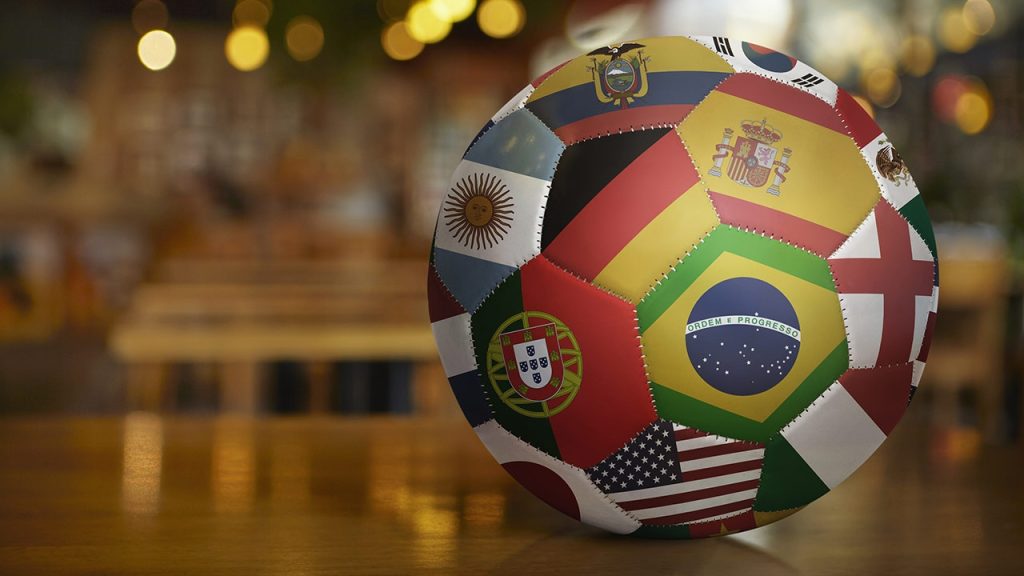
Imagining Thailand as a World Cup host is not just a question of infrastructure or prestige. It is an exercise in how an entire country’s way of watching football would evolve if the world’s best teams, structures, and match rhythms were suddenly played in Thai stadiums and time zones, in front of Thai eyes, every single day for a month.
Why Hosting Would Immediately Shift Live Viewing Habits
If Thailand ever hosted a World Cup, the first obvious change would be time zones aligning perfectly with local routines. Instead of staying up at 3 AM, fans could watch full matches at accessible hours, from group games to knockout ties. That alone would increase the proportion of people able to follow complete 90-minute performances rather than relying on highlights or late-night fragments.
With more people seeing matches in full, conversations would shift from reactions to goals toward analysis of whole-game patterns. Viewers would talk more about how a team controlled the central corridor, how often they forced play wide, or how long they sustained a high press, because most of the audience would have watched the same tactical story unfold in real time.
How Local Stadiums Would Become Live Tactical Classrooms
World Cup-level stadium adaptations in Thailand would also change how fans read matches in person. Improved sight lines, consistent pitch quality, and better lighting make it easier to see team shape, defensive compactness, and off-ball movement from almost any seat. For a month, every stand would effectively function as a live tactical classroom.
Fans attending multiple matches would quickly learn how different systems look in three dimensions. A compact mid-block would be visible not just as a concept but as physical distances between lines. A high defensive line would be clearly seen relative to the centre circle, and the risk of space behind it would be felt every time an opponent tried a direct ball in transition. Those repeated visual experiences would stay in viewers’ minds long after the tournament ended.
What Watching Matches in Thai Time Would Do to Match Focus
Aligning kickoffs with Thai evenings and weekends would also change how carefully fans can follow matches from home. Without the fog of fatigue, more viewers would have the capacity to track both ball and structure throughout 90 minutes. That improves the chances of noticing how pressing intensity fluctuates, when a team switches from patient buildup to more direct play, or how a coach manages risk in the final fifteen minutes.
In this scenario, the typical matchday routine would shift from squeezing football into awkward hours to structuring the day around it. With more mental energy available, viewers would be better placed to recognize repeatable patterns—like where chances tend to be created from or how often transitions originate from specific turnovers—rather than only remembering spectacular moments.
How ดูบอลสด Would Feel When the World Is on Thai Pitches
If Thailand hosted a World Cup, ดูบอลสด would suddenly mean watching global tactical trends unfold on familiar grass. Seeing the world’s best teams play in Bangkok, Chiang Mai, or other Thai cities would create a direct visual bridge between local football and global standards. The same camera angles that currently show distant stadiums would now show familiar surroundings, making it easier to connect what fans see at the highest level with what they see in domestic matches later.
Live broadcasts from Thai-hosted matches would also allow viewers to compare how different teams approach the same stadium context. One side might compress the pitch aggressively and defend on the front foot, while another prefers to sit in a compact block and counter. Watching those contrasting approaches in the same venues and conditions helps fans separate style from environment, sharpening their understanding of tactical choice rather than blaming everything on pitch or weather.
How Hosting Could Rewire Expectations of “Proper” Match Structure
For a month, Thai fans would see nothing but teams selected, prepared, and organized for the extremity of tournament football. That constant exposure would inevitably change what the average viewer expects from any competitive match. Sloppy distances between lines, disjointed pressing, and aimless long balls would stand out more starkly once fans have watched multiple games where every metre of space is contested.
After the tournament, those expectations would bleed into how supporters watch both the national team and Thai clubs. Viewers would be quicker to notice whether their side can maintain a coherent block, whether attacks are built through clear patterns or improvised chaos, and whether players are rotating intelligently or simply drifting out of position. Hosting would make structural deficiencies more visible, but it would also make structural improvements easier for fans to recognize and appreciate.
Imagining Matchdays in Thai Cities During a Home World Cup
Matchdays in host cities would become full-day experiences centered on live football. Fans could attend one game, then head to fan zones or local screenings to watch another, all within a single city. That density of live exposure changes how people process matches: instead of one isolated fixture, viewers would see patterns across multiple games in the same day.
Comparing different teams back-to-back in person would highlight contrasts in tempo, pressing height, and use of space. A fan might notice how one side attacks the half-spaces repeatedly while another prioritizes wide crossing zones, or how some teams compress the pitch after losing the ball while others retreat immediately into a deeper block. Experiencing these differences in the same physical environment sharpens the eye for detail more than years of scattered viewing.
How Hosting Would Influence Long-Term Tactical Conversations (H3)
After a home World Cup, tactical conversations in Thailand would likely become more specific. Instead of general claims that “we need to be more aggressive” or “we need to keep the ball more,” fans could point to concrete examples from matches they attended or watched live at normal hours. They would reference how particular World Cup teams defended cutbacks, controlled transitions, or used their number six to dictate tempo.
Over time, those references would feed back into how supporters discuss the national team and the domestic league. The question would shift from “Can we reach that level?” to “Which aspects of what we saw are realistically adaptable here?” That, in turn, changes how fans interpret matches: each game becomes an ongoing comparison between local reality and the standards they once saw on Thai soil.
Where the Imagination Could Overreach Actual Match Reading
There is, however, a risk in romanticizing the idea of hosting. If Thai fans imagined that simply bringing the World Cup to local stadiums would automatically elevate understanding, they might underestimate how much focused attention is still required. Even in perfect time zones and world-class venues, it is still possible to watch only for goals, ignore structure, and treat each match as a self-contained spectacle.
Likewise, some might expect domestic games to instantly resemble World Cup contests in intensity and tactical clarity, which is unrealistic. The key is recognizing hosting as a catalyst—not a shortcut—for deeper viewing habits. The imagination becomes productive when it leads fans to ask better questions about shape, space, and decision-making rather than assuming that staging a tournament solves everything on its own.
Summary
Imagining Thailand as a World Cup host is ultimately a thought experiment about how context shapes the way fans watch ดูบอลสดฟรี goaldaddy. Aligned time zones, upgraded stadiums, and a month of elite matches on Thai pitches would give supporters clearer sight lines, fresher minds, and richer comparisons every time they tune in. If that imagined tournament is used as a reference point for how to watch more closely—tracking structure, tempo, and space rather than just outcomes—it becomes more than fantasy. It becomes a guide to reading every future match with sharper, more informed eyes.