
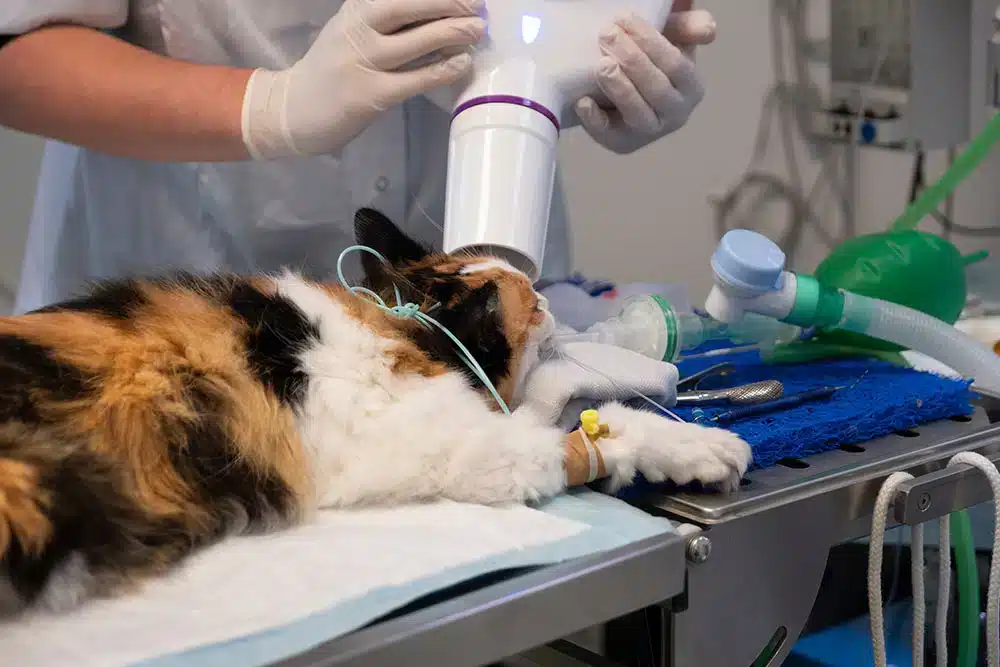
When your pet seems fine on the outside, hidden tooth pain can still grow inside the mouth. Dental X-rays show what eyes and hands cannot. You see roots, bone loss, broken teeth, and infection before they explode into crisis. This protects your pet from silent suffering. It also saves you from surprise emergencies and heavy bills. At clinics that offer full-service veterinary care in Dothan, dental X-rays are a basic tool, not a luxury. They guide cleanings, extractions, and treatment plans so your pet gets the right care the first time. They also help track healing after surgery and monitor long-term dental health. You gain clear answers. Your pet gains comfort, safer anesthesia, and a longer, calmer life.
What Dental X Rays Actually Show
A simple look in the mouth only shows the crown of each tooth. The rest stays hidden. Dental X-rays reveal three key parts.
- Tooth roots that anchor each tooth
- Jaw bone that supports the teeth
- Space under the gum line where infection often starts
With X-rays, your veterinary team can spot problems early. These include tooth fractures, dead teeth, abscesses, bone loss, and retained baby teeth. Many of these problems cause severe pain even when the tooth looks normal on the surface.
Why Dental X Rays Protect Your Pet’s Health
Dental disease does not stay in the mouth. Bacteria from infected teeth can enter the bloodstream. That can strain the heart, liver, and kidneys. The American Veterinary Medical Association explains that most dogs and cats show some form of dental disease by age three.
Dental X-rays help your pet in three ways.
- They find painful disease before it spreads.
- They guide safe tooth removal when needed.
- They confirm that treatment worked and that roots are fully removed.
Without X-rays, broken roots can stay behind. That can feed infection and leave your pet in ongoing pain. With X-rays, your veterinary team checks every treated tooth and every problem spot.
How Dental X Rays Save You Money And Stress
Early care often costs less than crisis care. A tooth that needs a simple cleaning today can need surgery later if ignored. Dental X-rays support early action. That can prevent hospital stays, IV fluids, or long courses of medicine.
Dental X-rays also reduce guesswork. Your veterinary team can give a clearer estimate before a procedure. You face fewer surprise charges. You also reduce the chance of repeat visits for the same tooth.
Comparing Exams With and Without Dental X Rays
| Type of Dental Exam | What the Team Can See | Commonly Missed Problems
|
|---|---|---|
| Visual exam only | Tooth surface, gum color, tartar, swelling, bad breath | Root abscess, early bone loss, dead teeth, root fractures, tooth resorption |
| Exam with dental X rays | Tooth surface plus roots, jaw bone, under-gum pockets | Few problems missed. A hidden disease is often found before signs appear. |
This difference matters. Many cats and small dogs have tooth resorption. This condition eats away at the tooth from the inside. It often starts under the gum line. You may never see it without X-rays. Yet it causes severe, constant pain.
Safety Of Dental X Rays For Pets And Families
Modern dental X-ray units use low radiation. The exposure is small and brief. Pets also wear protective covers over their bodies. Staff stand behind shields or in another room.
The U.S. Food and Drug Administration notes that dental X-rays in people use low doses. Veterinary dental X-rays use similar methods and safety steps. The health risk from untreated dental disease is usually higher than the tiny risk from X-rays.
When Your Pet Might Need Dental X Rays
Most pets benefit from dental X-rays at key times.
- During a full dental cleaning under anesthesia
- After any tooth injury
- Before and after tooth removal
- When there is drooling, face swelling, bad breath, or trouble eating
- For older pets with long-term dental buildup
Young pets may also need X-rays if baby teeth do not fall out on time. Retained baby teeth can push adult teeth out of place and trap food and bacteria.
What To Expect During A Dental X-Ray Visit
Dental X-rays in pets need anesthesia. That sounds scary at first. Yet it protects your pet from fear and movement. It also lets the team clean and treat every tooth in one session.
The steps are simple.
- Your pet gets a full exam and blood work if needed.
- Anesthesia starts, and your pet rests on a padded table.
- A small sensor or film sits in the mouth.
- The X-ray unit takes quick images from different angles.
- The veterinary team reviews the pictures and plans treatment.
You then see the images and hear clear next steps. You can ask about each tooth and the jawbone. You leave with a plan you can understand.
How Often Dental X Rays May Be Needed
The right schedule depends on age, breed, and past dental problems. Many pets need them every one to three years during a dental cleaning. Some pets need them more often.
- Small dog breeds and cats with known dental problems
- Pets with chronic health problems that affect healing
- Pets with past tooth fractures or extractions
Your veterinary team can tailor a schedule that fits your pet’s mouth and your budget. The goal is simple. Catch problems early. Ease pain. Avoid surprise crises.
How You Can Support Your Pet’s Dental Health At Home
Home care works best when you pair it with dental X-rays and cleanings. You can support your pet with three steps.
- Brush teeth each day with pet-safe toothpaste.
- Offer dental treats or diets that your veterinarian endorses.
- Check the mouth each week for redness, swelling, or broken teeth.
Then bring your pet for regular exams and ask if dental X-rays are recommended. You protect your pet from quiet but intense pain. You also protect your family from the emotional shock of sudden dental emergencies.
Dental X-rays at animal clinics are not extra. They are a core part of kind, smart care. They let your pet eat, play, and rest without hidden tooth pain. That is the comfort every animal deserves.