
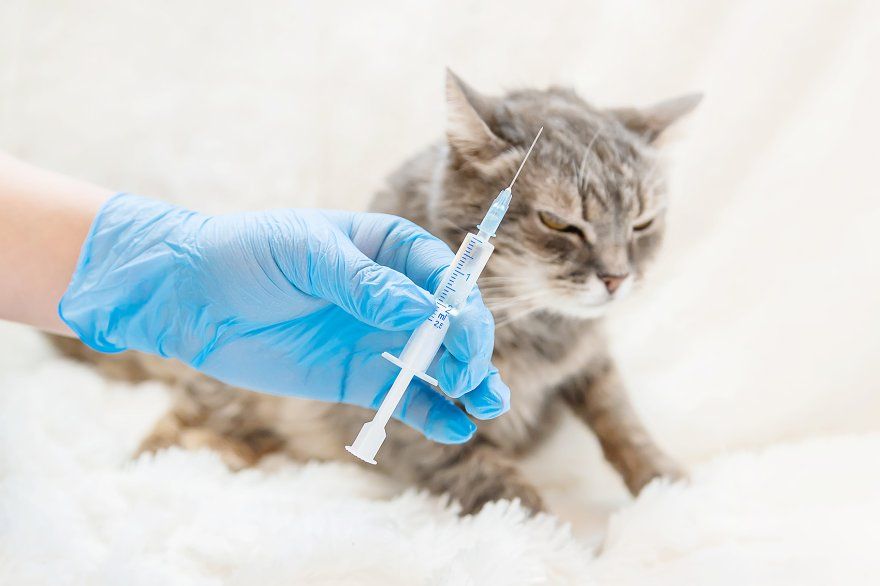
Facing the end of your cat’s life can feel crushing. You want comfort for your cat. You also want clear guidance for yourself. A Calgary cat veterinarian can give both. Cat clinics focus on quiet rooms, slow visits, and gentle handling. You sit with your cat. You ask hard questions. You get direct answers in plain words. Skilled teams watch for pain, fear, or stress. They adjust care so your cat can rest. Some clinics offer home visits so your cat can stay on a favorite chair. Others create calm spaces at the clinic with soft light and warm blankets. Staff respect your grief. They watch your cues and your cat’s signals. You never rush choices. You learn what to expect, what your cat might feel, and what options you have. You do not face this part alone.
Knowing When Your Cat May Be Near The End
You know your cat’s normal habits. So changes can feel sharp. You may see:
- Much less eating or drinking
- Hiding or staying in one spot
- Hard time breathing or moving
- Confusion or crying at night
These changes do not always mean death is close. Still they call for quick care. A clinic team can check for treatable problems. They can also talk with you about what a peaceful death can look like.
You can use hospice style care for some time. You focus on comfort and support. You do not chase every test. You give your cat calm days with you close by. The clinic helps you know when comfort is still strong and when suffering starts to rise.
How Cat Clinics Reduce Pain And Stress
End of life care centers on three goals. Ease pain. Reduce fear. Support you.
Clinic teams may use:
- Pain medicine in small regular doses
- Anti nausea drugs so your cat can rest
- Fluids under the skin to reduce weakness
The American Veterinary Medical Association explains that humane care means freedom from pain and distress. Cat clinics follow this guidance. They use gentle handling. They keep the noise low. They give your cat time to settle before any exam.
You can bring a favorite blanket that smells like home. You can hold or touch your cat during most steps. Staff will show you safe ways to do this so your cat feels steady, and you feel more in control.
Home Visits Versus Clinic Visits
Many families want their cat to stay at home. Others feel safer in the clinic. Each choice has benefits. You choose what fits your cat and your home.
| Care setting | Benefits for your cat | Benefits for you | Possible limits
|
|---|---|---|---|
| Home visit | Familiar smells. No car ride. Quiet space | More privacy. More time. Other pets and family can be near | Fewer tools on hand. Not all clinics offer this service |
| Clinic visit | Access to full medical tools. Staff close by | Staff handle details. Support right away if you feel faint or shaken | Travel stress. Strange place for your cat |
You can talk through these options early. You can also change your mind. A good clinic stays flexible when your needs shift.
Planning Ahead For Hard Choices
Planning can feel cold. It is not. It is an act of care. You protect your cat from drawn-out suffering. You also protect yourself from rushed choices made in fear.
You can ask your clinic to help you build a simple plan. It may cover three parts.
- What comfort care do you want at home
- What signs will mean it is time to call the clinic right away
- Where and how you want euthanasia to happen
The plan can include who you want in the room and what music or quiet you want. It can note if you want your cat’s body returned for burial or handled by the clinic. The Cornell University pet loss resource offers simple questions that can guide these talks.
What To Expect During Euthanasia
The word can feel harsh. The act itself is calm. The goal is a peaceful death without fear.
Most clinics follow a clear three-step process.
- Your cat receives a shot or pill for deep relaxation. Your cat may fall asleep in your arms
- Once your cat is fully relaxed, the veterinarian places a small needle in a vein
- A final drug is given. It stops brain function, then breathing, and the heart
You can stay with your cat through every step. You can also step out at any point. Staff watch your reactions and check in with short, clear questions. They tell you what they are doing in plain words. They also check that your cat does not feel pain during the process.
How Clinics Support Your Grief
Grief after a pet’s death can shock you. You may feel numb. You may cry in waves. You may question your choice. None of this means you failed your cat.
Many cat clinics offer:
- Printed grief guides
- Lists of local counselors and support groups
- Clay paw prints or fur clippings if you choose
Some clinics can connect you with pet loss hotlines run by universities. You can call when you cannot sleep. You speak with trained staff who understand this kind of loss.
Children in the home may need clear, simple words. You can share that the cat’s body stopped working. You can welcome tears and questions. You do not need to hide your own feelings. Honest sadness teaches children that love and loss walk together.
Standing With Your Cat Until The End
End-of-life care is not only a final shot. It is a period of close watching and gentle acts. You offer soft beds. You clean fur and eyes. You sit nearby even when you feel helpless. The clinic team stands with you.
You can ask for help at any point. You can ask the same question more than once. You can change your mind about what you want. Respectful staff will honor that. They know this is one of the hardest choices you will ever make.
You gave your cat safety and love for years. Now you give one last gift. You allow a peaceful death with comfort and dignity. A careful clinic can guide each step so you and your cat do not face that path in fear.