
Labeling projects involve several bottle sizes, label formats, and product variants. Scattered specifications can hide differences in setup, placement, or inspection. A shared matrix gives teams one record for equipment selection and trials. It also helps compare high speed labelling machines with actual product formats.
The matrix should connect each bottle with its matching label, application position, and quality checks. It should show which combinations may share a setup and which need separate testing. This gives engineering, production, quality, and purchasing teams a common reference.
Record the Bottle Specifications
Create an entry for each bottle code. Include body diameter, height, neck and shoulder profile, base shape, and usable label area. Diameter affects bottle movement and how a label wraps around the container.
Record material and surface condition too. Glass and plastic may behave differently during feeding and labeling. Texture, coatings, transparency, and raised features near the label area can affect handling or adhesion.
Empty and filled bottles may differ in weight and stability. List different heights, cap formats, and fill levels separately. Similar diameters do not guarantee identical handling.
Document the Label Details
For each label, record material, width, height, roll direction, core size, and winding orientation where applicable. Include adhesive and release-liner information. These details can affect how the label separates from its liner and moves through dispensing.
Specify label position with measurable references. Record the distance from the bottle base to the lower label edge, the intended body position, and the seam location. Note the required facing direction for front panels, barcodes, or variable information.
Labels must fit the usable bottle area. Excessive width can cause overlap or edge lifting; excessive height may approach a shoulder or base transition. Compare drawings with actual samples.
Organize Approved Combinations
Use one row for each approved bottle-and-label combination. Useful fields include bottle code, diameter, height, label code, dimensions, material, application position, and target output. Add a status for confirmed formats, pending samples, and items under evaluation.
Grouping can reveal products that share a setup. Similar diameters and body profiles may need fewer adjustments, while different heights or shoulders may need separate checks. Review label width, adhesive, and seam position before reusing settings.
Keep the matrix as a controlled document. Update it when artwork changes, a supplier revises a container, or a new product enters the schedule. Version numbers and approval dates help teams trace the specifications used for each trial.
Set Inspection Criteria Before Testing
Define inspection points for every combination. Typical checks include label presence, placement height, skew, wrinkles, edge lifting, overlap, and barcode orientation. Acceptance limits should come from product specifications or approved customer requirements.
Decide how each check will be performed. Visual inspection may cover placement and surface defects. Barcode verification may require a scanner or separate inspection device. Record sampling frequency, the responsible role, and the response to defects.
Use production-representative samples during testing. Trials can reveal issues that drawings do not show, such as container variation, surface contamination, or adhesive response. Record results for each combination so approved formats and unresolved issues remain clear.
Match Matrix Data with Equipment Requirements
The matrix gives suppliers a practical view of container dimensions, label sizes, product changes, and expected output. Buyers can use it to discuss bottle separation, product detection, label dispensing, and transfer. It also identifies format changes that require operator adjustment or another trial.
For high speed labelling machines, review the target rate alongside bottle stability, label dimensions, feeding conditions, and inspection needs. A stated maximum does not represent the rate for every product. Container size and the full production arrangement can affect achievable output.
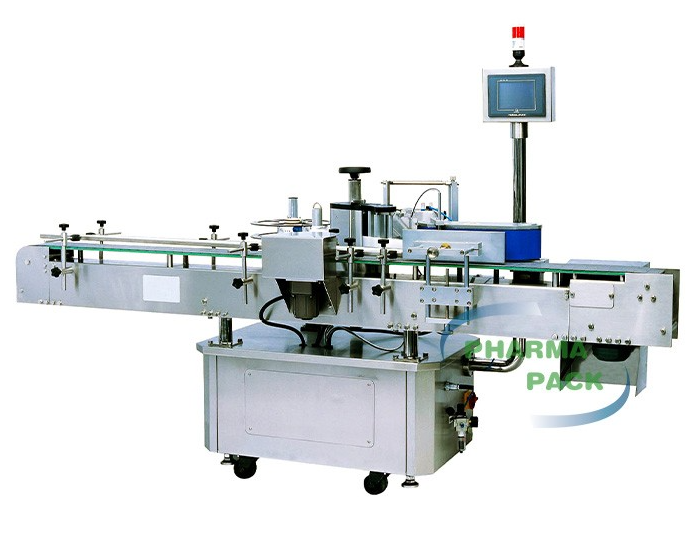
The LFLB-1120 Vertical round bottle labeling machine has a stated maximum production speed of 400 bpm, depending on the size of the product being inspected. Its process separates and detects bottles, applies labels through a servo-driven head, and transfers containers onward. Buyers should assess their own samples during technical review.
Confirm the Matrix Through a Machine Trial
Test representative bottle-and-label combinations, not just one convenient format. Include relevant size variations and materials. Observe whether bottles remain spaced before labeling and whether labels reach the intended position throughout the run.
On the LFLB-1120, the bottle separator creates spacing before containers reach the labeling station. The product sensor detects each bottle and signals label dispensing. The servo-driven head coordinates dispensing with bottle movement, while a label sensor monitors label movement for controlled, repeatable dispensing.
Trial records should identify bottle code, label code, settings, output, defects, and adjustments. If a format change affects the result, record the revised conditions. These records support operator training, production scheduling, and later engineering reviews.
Turn the Matrix into a Working Reference
A useful matrix connects container dimensions, label construction, application position, inspection criteria, and production targets. Review it whenever product specifications or suppliers change, then update it with trial results. This keeps decisions tied to actual materials and approved formats.
Pharmapack supplies pharmaceutical packaging equipment and integrated lines. They describe a one-stop service approach. For buyers reviewing the LFLB-1120, the matrix supports discussion of bottle formats, label specifications, operating conditions, and trial samples.
For manufacturers comparing round bottle labeling machine options and high speed labelling machines, accurate product data sharpens technical discussions. Pharmapack’s LFLB-1120 has a defined process and stated maximum speed, but suitability still requires checks with intended bottle and label samples.