You notice it in photos first, then in the mirror, then every time you talk or smile. One tooth looks shorter, narrower, or just out of place next to the others, and once you see it, it is hard to unsee. That kind of small difference can feel much bigger than it sounds. It can make your whole smile seem uneven, even when the rest of your teeth are healthy. A family dentist in Toronto can help assess these small differences and suggest ways to improve the balance of your smile.
If that sounds familiar, you are not being overly focused or vain. A tooth that looks smaller than its neighbors can draw your eye every day, and it can change how confident you feel in close conversations, at work, or when someone points a camera at you. In many cases, dental bonding for uneven teeth is a simple cosmetic fix that adds shape and balance without major treatment. A family and cosmetic dentist can often reshape that tooth in one visit, using a tooth colored material that blends with your natural smile.
Why One Tooth Can Look Smaller Than the Rest
There are a few common reasons this happens. Some teeth simply come in smaller. Lateral incisors are a frequent example, especially when one or both look “peg shaped” or narrower than expected. Wear and chipping can also reduce the visible size of a tooth over time. Gum position matters too. If the gumline sits lower or higher around one tooth, that tooth may look shorter even if the tooth itself is normal.
The effect is not only cosmetic. A smaller looking tooth can create little gaps, throw off symmetry, and make nearby teeth look larger or more crowded. You may find yourself smiling with your lips closed, covering your mouth when you laugh, or asking whether braces are the only answer. Sometimes alignment is part of the issue, but often the fix is much more direct.
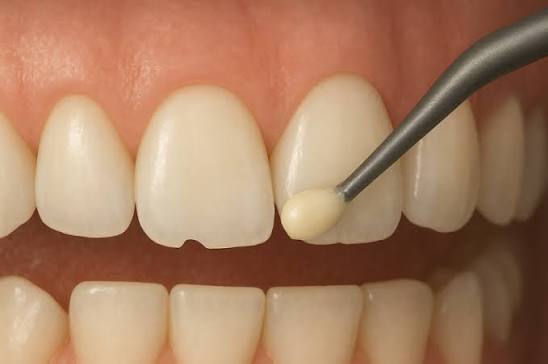
Tooth bonding for a small tooth works by adding composite resin to the tooth surface and sculpting it to match the size, contour, and edges of neighboring teeth. The material is then hardened and polished. The National Institute of Dental and Craniofacial Research provides a useful overview of modern dental materials, including composites used in restorative care, in this NIDCR dental materials report.
Dental Bonding Can Correct Small Size Differences Without Major Treatment
Bonding appeals to many people because it is conservative. Little to no enamel removal is often needed, anesthesia is often unnecessary, and the appointment is usually shorter than treatment with veneers or crowns. If your tooth is healthy and the main issue is shape or proportion, bonding can be a practical first option.
The emotional relief can be immediate. A tooth that has bothered you for years can often be reshaped in a single appointment. That matters when the problem is small on paper but heavy in daily life. You stop tracking the flaw. You stop adjusting your smile. You get proportion back.
Bonding is not perfect for every case. If the tooth is severely damaged, very dark, under heavy bite pressure, or part of a larger bite issue, another treatment may hold up better. Veneers may be chosen when you want broader smile changes. Orthodontic treatment may help if spacing and alignment are the real cause. A good cosmetic exam should sort out the reason first, not push one treatment for everyone.
Comparing Dental Bonding With Other Ways to Fix a Small Looking Tooth
| Treatment | Best For | Tooth Changes Needed | Time | Cost Range | Limits |
|---|---|---|---|---|---|
| Dental bonding | Mild to moderate size or shape differences | Usually minimal | Often 1 visit | Lower | Can stain or chip over time |
| Veneers | Shape, color, and symmetry changes across visible teeth | Usually some enamel removal | 2 or more visits | Higher | More permanent commitment |
| Crowns | Teeth with damage, large fillings, or structural weakness | Significant reshaping | 2 or more visits | Higher | Often more treatment than needed for a small cosmetic issue |
| Orthodontics | Spacing or alignment problems causing the tooth to look off | None to tooth surface | Months to years | Varies | Does not change tooth width or shape by itself |
Cost matters, and so does durability. Bonding is often the most budget friendly cosmetic option for a single small tooth, but it may need touch ups years down the line. Habits like nail biting, chewing ice, or clenching can shorten its life. Coffee, tea, red wine, and tobacco can also affect how well the bonded area keeps its color.
Access to dental care shapes these decisions too. The broader picture of oral health in the United States shows that appearance, function, and access are closely connected, as described in this Oral Health in America report. A treatment that is effective, conservative, and financially manageable is often the right place to start.
What To Do Before You Commit to Cosmetic Bonding
Ask for a smile focused exam.
You want more than a quick glance. Ask your dentist whether the tooth is actually smaller, worn down, chipped, or made to look small by gum shape or tooth position. The right treatment depends on the cause. A careful exam can save you from paying for a cosmetic fix that does not last or does not address the real issue.
Request a shape preview.
Even a small change affects your whole smile. Ask whether the dentist can show you a mock up, a digital preview, or a simple explanation of how the tooth will be widened, lengthened, or rounded. This helps you avoid the common fear of going too big, too square, or too bright.
Talk honestly about maintenance.
Cosmetic bonding is strong, but it is not the same as untouched enamel. Ask how long it usually lasts in your bite, what habits could damage it, and whether future polishing or repair is likely. If you grind your teeth at night, ask whether a night guard makes sense.
A Balanced Smile Often Starts With a Small Fix
A single tooth that looks smaller than its neighbors can affect far more than symmetry. It can wear on your confidence in a quiet, steady way. Cosmetic dental bonding gives many people a straightforward way to correct that imbalance without committing to major dental work.
If you are tired of noticing that one tooth every time you smile, schedule a consultation with a family and cosmetic dentist and ask whether bonding is a good fit for your goals. A small change can make your smile feel like yours again.