
Purchasing a commercial LED display is a major investment that requires careful planning. Unlike standard consumer displays, commercial LED systems are often designed for long operating hours, large-scale installations, and specific business applications.
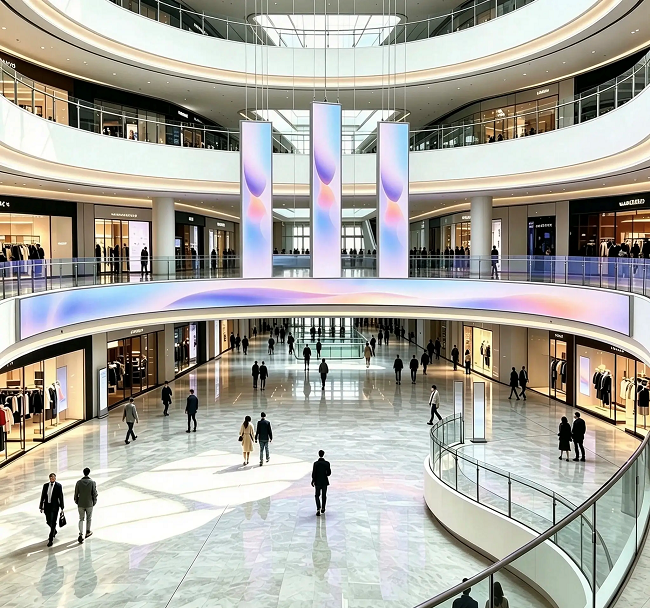
For procurement managers, selecting the right commercial LED screen involves more than comparing prices. Factors such as technical specifications, supplier capability, installation requirements, maintenance plans, and contract terms all influence the long-term value of the project.
A successful procurement process begins with understanding the project requirements and translating business needs into clear technical specifications. This helps ensure suppliers provide comparable proposals and reduces risks during installation and operation.
Defining Requirements Before Purchasing a Commercial LED Display
Before starting a tender process, procurement teams should define the purpose and operating environment of the display. A screen installed in a corporate lobby has very different requirements from one used in a control room, retail store, or outdoor advertising location.
Key factors include screen size, viewing distance, installation location, operating hours, content type, and expected lifespan. These details determine important specifications such as pixel pitch, brightness, refresh rate, cabinet structure, and maintenance method.
For example, a fine-pitch commercial LED display may be suitable for conference rooms where viewers are close to the screen, while larger pixel pitch products can be more practical for large public spaces where viewing distances are longer.
Ledman provides commercial display solutions designed for different application scenarios, including corporate spaces, retail environments, conferences, education, and other professional settings. Their solutions help businesses select LED systems based on specific operational requirements.
Writing Technical Specifications for LED Screen Projects
A well-prepared specification document is essential for a successful procurement process. Clear technical requirements allow suppliers to understand expectations and provide accurate quotations.
The specification should include basic information such as display dimensions, installation method, application environment, and intended usage. It should also define technical parameters, including pixel pitch, brightness, refresh rate, viewing angle, color performance, and power requirements.
Maintenance requirements should also be included. Procurement managers should specify whether front or rear maintenance is preferred, how replacement parts will be handled, and whether remote monitoring or system management features are required.
For a commercial LED screen, buyers should avoid focusing on only one specification. A product with excellent brightness or resolution may not be the best choice if it does not match the installation environment or operational needs.
Evaluating Commercial LED Display Suppliers
Choosing the right supplier is one of the most important steps in an LED project. A reliable manufacturer should provide not only products but also technical support, project experience, and long-term service capabilities.
Procurement teams should evaluate suppliers based on several factors, including manufacturing capability, product quality control, certifications, application experience, and after-sales support.
A supplier’s previous projects can provide valuable insight into its ability to handle large-scale installations. Experience in similar industries or environments indicates whether the supplier understands practical challenges related to installation, maintenance, and system integration.
Ledman has extensive experience providing LED display solutions for commercial applications. Their product range includes indoor LED displays, outdoor displays, rental solutions, COB Micro LED products, and customized commercial display systems.
Understanding the Tender and Quotation Process
A professional tender process helps organizations compare suppliers fairly and select the most suitable solution. The tender documents should clearly define technical requirements, delivery expectations, installation responsibilities, and acceptance criteria.
When reviewing supplier proposals, procurement managers should consider the total project value rather than only the initial purchase price. The lowest quotation may not always provide the best long-term performance or reliability.
Important quotation details include product specifications, installation costs, transportation arrangements, warranty coverage, training services, and spare parts availability.
A complete proposal from an experienced LED supplier should demonstrate how the solution meets the project objectives. Suppliers should also be able to explain technical choices and recommend suitable configurations based on the application.
Contract Terms Every Buyer Should Review
A clear contract protects both buyers and suppliers throughout the project lifecycle. Procurement managers should carefully review key terms before confirming an order.
Warranty coverage is one of the most important contract elements. The agreement should define warranty duration, covered components, response times, and service procedures.
Delivery schedules and installation responsibilities should also be clearly stated. The contract should identify who is responsible for site preparation, installation, testing, and final acceptance.
For large-scale commercial LED screen projects, buyers should also consider future support. Agreements may include maintenance services, software updates, technical training, and access to replacement components.
Why Total Cost Matters in Commercial LED Screen Investment
The initial purchase price is only one part of the overall investment. Procurement managers should evaluate the total cost of ownership, including energy consumption, maintenance requirements, downtime risks, and expected service life.
A reliable LED system may provide better value over time because it reduces maintenance frequency and improves operational stability.
Factors such as energy efficiency, cabinet design, component quality, and supplier support can significantly influence long-term costs. Choosing a solution based only on upfront price may lead to higher expenses during operation.
A professional supplier can help buyers balance performance requirements and budget considerations by recommending suitable products for the intended application.
How Ledman Supports Commercial Display Projects
Ledman offers commercial display solutions designed to help organizations create reliable and effective visual communication systems. Their commercial display solutions cover applications such as corporate environments, retail spaces, conference rooms, education facilities, and public areas.
The company provides LED display products with different pixel pitch options, installation methods, and technical configurations to support various project requirements.
For procurement managers, working with an experienced manufacturer can simplify the buying process. From specification planning and product selection to installation support and after-sales service, a complete solution provider can reduce project risks.
Final Thoughts: Building a Successful LED Procurement Strategy
Buying a commercial LED display requires a structured approach. Procurement managers need to define requirements clearly, evaluate suppliers carefully, prepare detailed specifications, and establish strong contract terms.
A successful project depends on matching the right technology with the right application. Brightness, pixel pitch, cabinet design, maintenance options, and supplier support should all be considered before making a final decision.
By following a professional procurement process and partnering with an experienced manufacturer like Ledman, organizations can invest in a commercial LED screen solution that delivers reliable performance, strong visual impact, and long-term business value.