
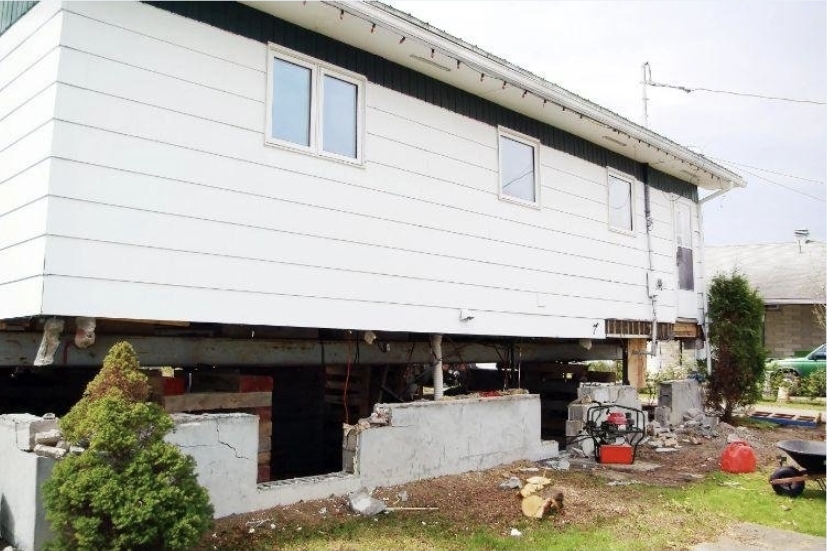
Foundation cracks can seem harmless when they first appear. You might notice a thin line across a basement wall, a crack near a window, or a small opening where two sections of concrete meet. While some cracks stay relatively stable, others can grow as the foundation continues to move. Knowing what causes that movement can help you decide when it is time to have the problem evaluated.
Residential foundation repair in Terre Haute can help control foundation movement when the repair addresses the condition causing the damage. The right solution depends on the type of crack, where it appears, how quickly it changes, and what is happening in the soil around the structure.
Understanding the warning signs can help you respond before a small concern turns into a much larger repair.
Why Foundation Cracks Can Continue Growing
Your foundation supports the weight of the structure while also dealing with pressure from the surrounding soil. When soil conditions change, different sections of the foundation may begin moving at different rates.
Settlement is one common cause. If soil beneath part of the foundation compresses or shifts, that area may begin sinking. This movement can place stress on concrete walls and slabs.
Expansive soil can also create pressure. Certain soils swell when they absorb water and shrink when they dry. Repeated changes can push against the foundation and create movement over time.
Poor drainage may add to the problem. Water collecting near foundation walls can affect soil stability and increase pressure against concrete. If these conditions continue, existing cracks may widen or spread.
What Foundation Cracks Should You Watch Closely?
Not every foundation crack means serious structural damage, but certain patterns deserve attention.
Horizontal cracks can be concerning because they may indicate pressure against a foundation wall. Stair step cracks that travel through masonry can also be connected to movement.
You should also watch for cracks that:
- Increase in width over time
- Continue getting longer
- Appear in several nearby areas
- Develop around windows or doors
- Return after previous repairs
Other changes may appear elsewhere in the structure. Doors may become harder to close, floors may begin sloping, or gaps may develop around walls and trim.
The Federal Emergency Management Agency provides information about examining foundations and structural components for signs of damage. You can reviewFEMA foundation inspection guidance for additional information about conditions that may deserve closer attention.
How Residential Foundation Repair Addresses Movement
A visible crack is often a symptom, not the entire problem. Filling the opening may improve its appearance, but that does not necessarily address the movement that caused it.
Residential foundation repair begins with determining why the foundation moved in the first place.
A professional inspection may include checking foundation walls, measuring settlement, examining support areas, reviewing drainage conditions, and looking for signs of soil movement.
Once the cause is identified, a repair plan can focus on stabilizing the affected section rather than treating only the visible crack.
Different Problems Require Different Repair Methods
Foundation problems do not all develop for the same reason, so repair methods vary.
If part of the foundation has settled, a stabilization system may be recommended to support the affected area. Foundation piers are one option used in certain situations to transfer structural weight to more stable soil.
Foundation walls experiencing pressure may require reinforcement or stabilization. Other situations may involve structural supports, crack repair materials, drainage improvements, or a combination of methods.
Residential foundation repair should match the structure’s actual condition. Choosing a repair simply because it worked somewhere else can overlook important differences in soil, foundation design, and damage patterns.
Can Repair Actually Stop Cracks From Getting Worse?
When continuing structural movement is causing a crack, correcting that movement can reduce the chance of further damage.
For example, stabilizing a settling section can limit additional sinking. Reinforcing a wall that is shifting inward can help resist the pressure contributing to cracking.
That does not mean every crack will disappear. Existing cracks may remain visible after stabilization and may need separate sealing or cosmetic work.
The important part is addressing the force that caused the crack. When residential foundation repair targets the underlying movement, it can help keep structural damage from progressing.
Why Drainage Deserves Attention
Water around your foundation can affect the soil supporting the structure.
After heavy rain, look around the exterior and notice where water travels. Standing water near the foundation may indicate drainage problems. Soil that slopes toward the structure can also direct rainfall toward foundation walls.
Downspouts should discharge water away from the foundation rather than allowing it to collect near the base.
You may also notice damp areas, water stains, or seepage inside a basement or crawl space. These conditions can provide useful clues during an inspection.
Drainage improvements can reduce water-related pressure around the foundation, but they should not be treated as a replacement for structural repairs when movement has already occurred.
Why Waiting Can Lead to More Damage
Foundation movement does not normally correct itself.
If settlement, soil pressure, or another structural condition continues, cracks may become larger. You may begin noticing additional problems throughout the structure, including wall cracks, uneven floors, sticking doors, or gaps around windows.
Addressing the issue earlier gives you more information about what is happening before the affected area becomes more extensive.
Taking photographs can also help. Capture clear images of cracks and check them periodically for visible changes. This record can provide useful information during a professional evaluation.
What Happens During a Foundation Inspection?
A foundation inspection usually begins with a visual review of the affected areas.
The contractor may examine the size and direction of cracks, look for wall movement, inspect accessible support areas, and check for signs of settlement.
The contractor may take measurements to identify elevation differences across the structure. The inspector may also review exterior drainage and soil conditions because they can contribute to foundation movement.
After the inspection, you should receive an explanation of what appears to be causing the damage and what repair options may be appropriate.
Residential foundation repair should be based on these findings rather than assumptions about what a crack means.
Conclusion
Foundation cracks can develop because of settlement, changing soil conditions, water around the foundation, or pressure against structural walls. Some remain minor, while others continue growing when movement is still occurring.
Watch for changes in crack size, wall position, floors, doors, and windows. If you notice several warning signs or a crack that keeps changing, a professional inspection can help determine what is happening beneath the surface.
The earlier you understand the cause, the easier it is to make an informed decision about the next step.
If you are seeing growing cracks, uneven floors, or other signs of foundation movement, Expert Foundation Repair Terre Haute can evaluate the problem and recommend a residential foundation repair approach based on your structure’s condition.