
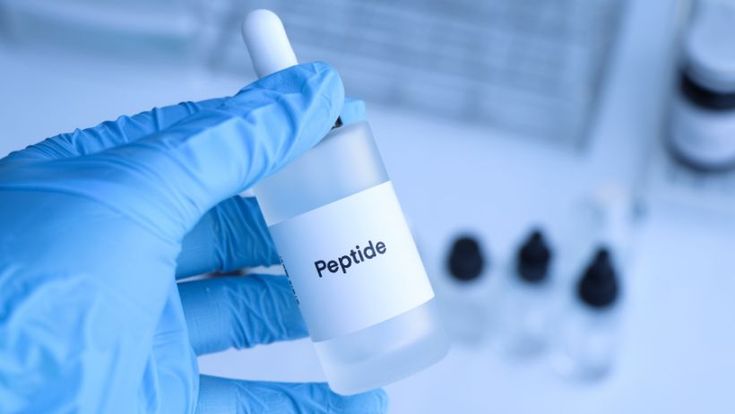
Anyone who’s worked in a lab knows the sinking feeling when an experiment won’t repeat. You check your method, your equipment, your notes. Sometimes the real problem came in the mail. Teams that shop research peptides without checking vendors carefully can end up with purity that changes from one order to the next. Over a long project, those small differences can quietly ruin months of work.
Paperwork Should Come with Every Order
Each shipment needs its own certificate of analysis tied to that exact lot. A generic certificate that gets reused across orders doesn’t tell you much.It’s also worth asking who did the testing. An outside lab carries more weight than in-house results.
Outside Testing Makes a Big Difference
Independent labs check purity, identity plus contamination without any reason to bend the numbers. Vendors who share those reports without being asked usually have nothing to hide.
Signs You’ve Found a Good Vendor
Good suppliers prove themselves through what they do, not what they promise. These are the habits worth watching over several orders.
- Lot numbers on the vials match the paperwork every time.
- Purity figures stay within a tight range from one delivery to the next.
- Someone actually answers technical questions within a working day.
- Cold packed boxes show up sealed, cold, and undamaged.
- There’s a written policy for replacing samples that fail checks.
Labs that shop research peptides on a regular basis usually keep one main supplier plus one approved backup. That way, a stock shortage doesn’t bring the whole project to a stop.
Keeping the Relationship Working
A supplier relationship gets better when both sides talk about what’s coming up. A few simple habits keep things running smoothly on long studies.
- Tell vendors about upcoming studies so they can hold matching lots.
- Keep a log of delivery dates, lot numbers plus storage conditions.
- Test a few random samples yourself every three months or so.
- Look back at each vendor’s record once a year before reordering.
One more thing matters here. Products labelled for research use only belong in the lab, and good vendors say so plainly on every label.
| What to Check | A Supplier You Can Rely On | A Supplier to Avoid |
| Certificates | Specific to the lot, tested independently | Generic or missing |
| Purity data | Full test results shared | Vague claims with no detail |
| Packaging | Sealed vials with clear labels | Unmarked or reused containers |
| Shipping | Cold packed and tracked | Regular post with no protection |
| Communication | Quick, clear technical answers | Slow or vague replies |
| Compliance | Clearly labelled for research use | Hints at personal use |
Most of the warning signs show up in the paperwork before anything reaches the bench. A few minutes spent checking can save a study.
Common Lab Purchasing Questions Answered
- How often should we check incoming samples? Every three months works for most labs, plus after any vendor change.
- Should the certificate match the exact lot we got? Yes. The lot number on the paperwork should match the vial.
- Is one supplier enough for a long study? It’s safer to have a main source plus one approved backup.
- What purity do most labs need? Many studies call for 98 percent or higher, depending on the method.
- How should samples be stored when they arrive? Most freeze-dried products go straight into a freezer, away from light.
Steady Sources Matter
Results you can repeat depend a lot on what comes through the door. Lot-specific certificates plus outside testing show you the real standard. Good communication turns a one-off purchase into a working partnership. Regular spot checks catch problems before they creep into your data. Pick one solid company, log every delivery, and review how they’re doing each year.