
Professional gatherings centered around digital manufacturing technology provide crucial venues for engineers, material scientists, and industrial buyers to evaluate emerging hardware architectures. Reviewing operational parameters and processing speeds during a specialized 3D printing conference helps technical teams modernize factory workflows. The recent spring gathering in Shanghai (March 17–19, 2026) demonstrated exceptional vitality across the regional industrial sector, setting a high standard for subsequent forums hosted under the TCT Asia banner.
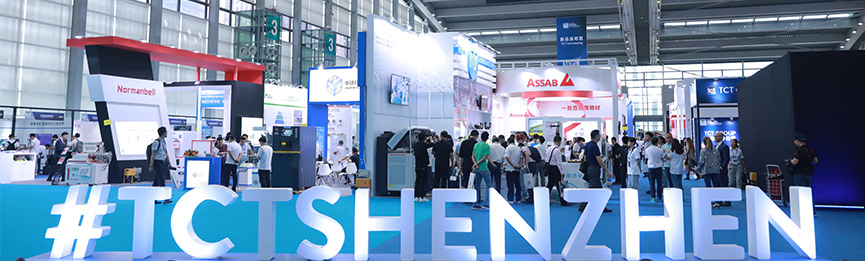
Analyzing software slicing tools, printhead kinematics, and raw material feedstocks on exhibition floors clarifies how modern digital tools optimize production efficiency. Technical specialists look forward to upcoming regional events, including TCT Shenzhen 2026 in Bao’an from October 14–16, 2026, and the next major TCT Asia edition in Pudong, Shanghai from May 27–29, 2027.
Navigating Technical Breakthroughs at Regional Forums
Industry professionals frequently gather at professional seminars to discuss structural stress distribution, thermal distortion modeling, and powder recycling methods. Academic researchers and machine developers present experimental findings regarding alloy atomization and photopolymer slurry rheology. These knowledge-sharing sessions bridge the gap between theoretical laboratory research and practical shop floor implementation.
Attending an additive manufacturing summit allows plant managers to inspect physical machine builds and software slicing parameters side by side. Engaging with application engineers during technical panels uncovers effective strategies for resolving complex manufacturing bottlenecks. Industry gatherings serve as collaborative incubators for next-generation digital fabrication standards.
Evaluating Metal Powder Bed Fusion Equipment
Industrial metal sintering relies on fiber lasers to fuse reactive alloy powders into dense, high-performance structural components. Multi-laser scanning heads optimize hatch spacing and laser pathways to shorten build durations while preserving metallurgical density. Continuous inert gas circulation prevents oxidation during extended multi-day manufacturing cycles.
Featuring a 120 x 120 x 100 mm build chamber and factory‑configurable 300W or 500W fiber‑laser options for the base Farsoon FS121M model, this platform supports both biomedical research and precision toolmaking. The fine laser spot renders porous lattice structures that encourage bone ingrowth, while structural engineers assess metallurgical density data as a prerequisite for production scaling.
High-Temperature Polymer Extrusion Technology
Processing engineering-grade thermoplastics like PEEK and carbon-fiber composites requires active thermal management inside enclosed build chambers. Dual-extrusion platforms equipped with high-temperature nozzles prevent thermal shrinkage and layer delamination during long operational runs. Industrial polymer hardware offers a lightweight alternative to traditional metal brackets across automotive applications.
At its core, the FUNMAT PRO 610HT is a thermal management system wrapped around a 610 × 508 × 508 mm build chamber. Dual nozzles reaching 500°C and a regulated 300°C chamber create the stable environment required to print PEEK, PEI, and PPSU, greatly reducing risks of warpage and delamination with optimized print profiles. The payoff is consistent, high‑quality parts—from brackets to structural housings—that meet demanding specifications. For design teams, this means the ability to produce functional replacements on‑site, bypassing the expensive tooling traditionally required for such components.
Downstream Post-Processing and Automated Powder Recovery
Executing an additive build represents only one phase of the complete digital manufacturing workflow. Downstream depowdering, support removal, and surface finishing dictate overall component costs and workshop labor efficiency. Automated depowdering units utilize multi-axis vibration and compressed air to reclaim unfused powder cleanly.
Integrating closed-loop powder handling systems isolates operators from fine particle exposure while preserving feedstock purity for subsequent build cycles. Automated sifting units separate oversized agglomerates, maintaining consistent powder sphericity. Evaluating post-processing equipment helps facility managers build clean, safe additive production cells.
Digital Software Integration and Fleet Management
Modern additive hardware relies on sophisticated slicing software and integrated melt pool monitoring tools to detect build defects instantly. Thermal cameras and optical layer inspectors identify recoater streaks or uneven powder beds early, preventing material waste. Automated alert systems notify operators immediately when layer anomalies occur.
Slicing software must interface smoothly with factory ERP networks and CAD platforms to maintain unified digital workflows. Automated nesting, dynamic support generation, and thermal distortion modeling optimize build layouts prior to laser activation. Facility managers utilize centralized software dashboards to control multi-machine fleets efficiently.
Supply Chain Resilience and Regional Manufacturing Hubs
Regional manufacturing networks across Asian industrial clusters provide machinery builders with immediate access to raw chemical powders and optical components. Sourcing materials domestically lowers shipping overhead for regional vendors while accelerating equipment customization. Dynamic manufacturing networks support rapid technological adaptation.
Visiting an active additive manufacturing event Asia showcase gives procurement managers direct opportunities to review machine build rates and software slicing capabilities. Direct dialogue with vendor application engineers clarifies material compatibility and optical calibration standards. Collaborative vendor relationships help factory managers adopt digital tooling smoothly.
Strategic Sourcing at Specialized Industrial Exhibitions
Maximizing the value of an additive manufacturing expo visit requires setting clear technical goals and scheduling vendor appointments in advance. Engineering buyers should bring specific project CAD files and material requirements to discuss directly with vendor application specialists. Comparing equipment specs across multiple booths clarifies machine capabilities and long-term maintenance costs.
Participating in technical Q&A sessions during a 3D printing conference expands professional networks and exposes attendees to real-world problem-solving strategies. Engaging with established machine builders and material refiners helps companies avoid common operational pitfalls during early digital integration. Thorough preparation transforms trade show visits into valuable long-term business assets.
Conclusion
Evaluating machinery options at upcoming events organized by TCT Asia helps technical teams streamline logistics and maximize equipment evaluation time. Engaging directly with verified equipment builders at a premier additive manufacturing summit provides procurement leads with practical insights to advance factory capabilities. Participating in specialized regional showcases like an additive manufacturing event Asia platform equips manufacturing specialists with clear, actionable directions to optimize their digital production operations.