
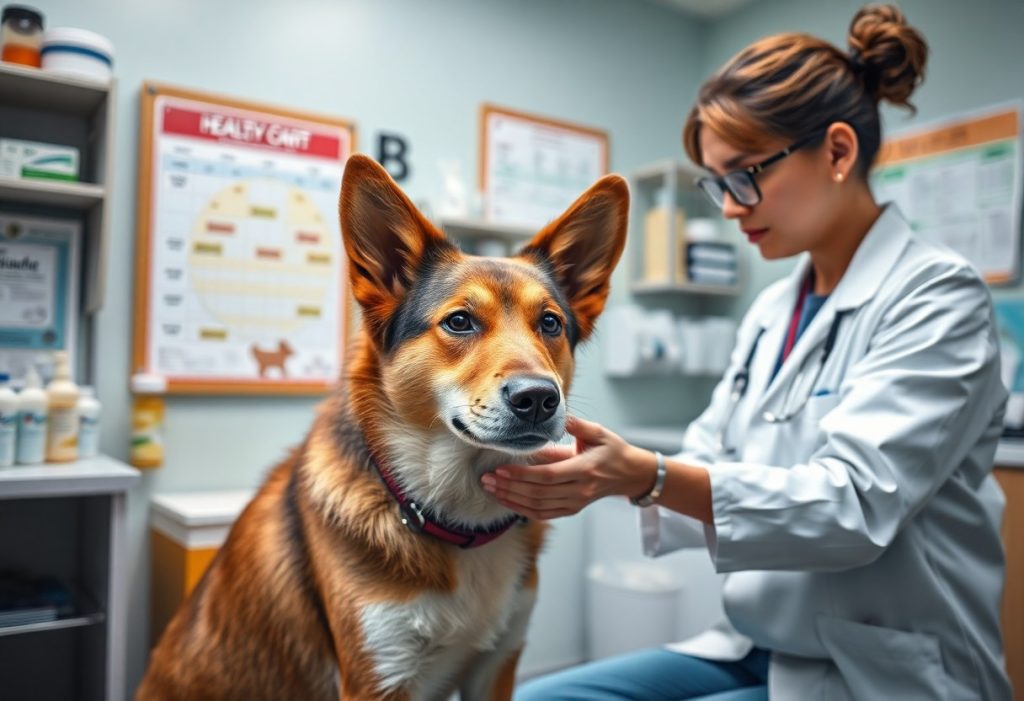
Seasonal change brings real risk for pets. Heat, cold, pollen, parasites, storms, and holiday chaos all hit their bodies in different ways. You may only see a shift in the weather. Your animal hospital sees a surge in breathing trouble, stomach problems, bites, and injuries. Every season forces a new plan. Staff review last year’s records. They track patterns in coughs, fevers, and emergency visits. Then they stock supplies, update checklists, and train for the worst week, not the calmest day. The veterinary team in Alexandria does not wait for the first heatwave or freeze. They prepare weeks ahead. They set reminders for vaccines and parasite control. They build clear steps for heatstroke, frostbite, and storm stress. You might never see that work. Still, it shapes every visit, from the first phone call to the last follow up.
How Hospitals Use Data To Plan Each Season
Animal hospitals do not guess. They use numbers. They look at past years to spot clear trends. They ask three simple questions.
- What problems spiked last season
- When did cases start to rise
- Which pets suffered the most
Staff pull reports on heatstroke, allergies, tick disease, frostbite, and storm panic. They match those reports with local weather records. This helps them know when to raise alarms for you. It also tells them which days need more staff and more space in the schedule.
They also follow guidance from trusted public sources. For example, the CDC Healthy Pets pages list common infections that move between animals and people. Hospitals use this science to adjust vaccines, lab testing, and cleaning plans before each season shift.
Spring And Summer Preparation
Warm months bring three main threats. Heat, parasites, and allergies. Your hospital prepares for each one in concrete ways.
For heat staff
- Check cooling systems in exam rooms and treatment rooms
- Stock IV fluids and supplies for heatstroke care
- Set clear steps for triage when a pet arrives hot and weak
For parasites staff
- Order extra heartworm, flea, and tick preventives
- Update testing kits for heartworm and tick disease
- Train staff on early signs of Lyme disease and other infections
Heartworm risk grows in many states as seasons warm. The FDA heartworm guidance for dogs supports hospital plans for screening and year-round prevention.
For allergies staff
- Prepare skin test tools and allergy medicines
- Review common food and pollen triggers in the region
- Create handouts that show simple home steps for itchy skin
They also plan more phone time. Many spring and summer calls involve mild signs. Staff use clear questions to decide when you can watch at home and when your pet needs urgent care.
Fall And Winter Preparation
Cold months strain older pets and those with heart or lung disease. Holidays add stress and poison risks. Hospitals build plans that focus on warmth, safety, and calm.
For cold exposure staff
- Review treatment steps for frostbite and hypothermia
- Check heating in kennels and treatment areas
- Stock warm blankets and safe heating tools
For seasonal infections staff
- Update vaccine reminders for respiratory disease
- Prepare test kits for cough and flu-like illness
- Plan drive-up or quick visits for coughing dogs
For holiday hazards staff
- Review poison control steps for chocolate, xylitol, alcohol, and plants
- Keep stomach protectant medicines and fluids ready
- Post signs and send emails about common food and toy dangers
Common Seasonal Risks And Hospital Actions
| Season | Top Risk | Typical Pet Sign | Hospital Preparation
|
|---|---|---|---|
| Spring | Allergies | Itchy skin and red ears | Stock allergy meds and train on skin care plans |
| Summer | Heatstroke | Panting, collapse, bright red gums | Ready IV fluids, cooling tools, and emergency slots |
| Fall | Ticks | Lameness and fever | Extra tick preventives and disease tests |
| Winter | Frostbite | Pale or dark ear tips and paws | Warm rooms and clear warming steps |
Emergency Drills And Staff Training
Hospitals practice. They run drills for heatstroke, blocked cats, bloat, and storm trauma. Each drill has three parts.
- Fast check-in and triage at the front desk
- Immediate treatment steps in the back
- Short clear talk with you about cost and choices
Staff also review real cases from past seasons. They look at what saved time and what slowed care. They use those lessons to sharpen checklists and treatment plans. This quiet work means your pet gets faster help when every minute counts.
What You Can Expect As A Pet Owner
When your hospital prepares well, you feel it. You see three signs.
- Staff answer seasonal questions with calm, clear facts
- Appointments match the urgency of your concern
- Home care steps are simple and written down
You also play a role. You can
- Keep your contact details current, so alerts reach you
- Follow vaccine and parasite schedules on time
- Call early when you see new signs instead of waiting
Each season brings its own threats. It also brings a chance to protect your pet with steady planning. Your animal hospital works on that plan long before the weather turns. Your attention at home completes it.