
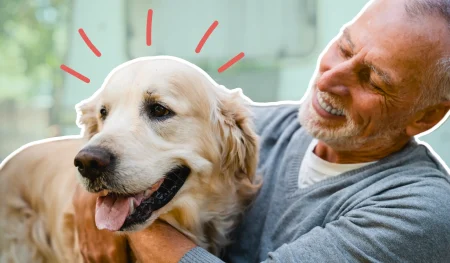
You might be feeling a mix of gratitude and frustration right now. Grateful that veterinary medicine has advanced so much, and frustrated because access to that care can feel uneven. Maybe you have a pet who needs vaccines, a dental cleaning, or ongoing treatment, and you are seeing costs rise faster than your budget. Or you are noticing more strays in your neighborhood and wondering who is looking out for them, especially when you think about the importance of 24/7 emergency animal hospital services in Roanoke.
If you have picked up on more mobile clinics, low cost vaccine events, or educational programs at schools, you are not imagining it. Many animal hospitals are rethinking what it means to serve their communities. They are expanding community outreach efforts, partnering with public agencies, and taking veterinary care beyond the clinic walls.
The short version is this. Outreach is no longer a “nice to have” project on the edges of veterinary care. It is becoming a core part of how animal hospitals protect pets, support families, and strengthen public health. Understanding why this shift is happening can help you make better choices for your animals and know what resources might be available to you.
Why are animal hospitals stepping outside their walls in the first place?
For a long time, the model was simple. You had a pet. You scheduled an appointment. You drove to the clinic. The hospital focused on what happened inside that building. Because of rising costs, changing expectations, and real gaps in access, that model is under pressure.
You might be seeing this pressure in your own life. Maybe you delayed a checkup because you were worried about the bill. Maybe transportation is hard. Or maybe a family member does not speak English fluently, and every visit feels stressful and confusing. When enough people run into these barriers, animals go without care, small problems turn into emergencies, and shelters start to overflow.
Animal hospitals are recognizing that if they wait for every pet to come to them, they will always be reacting. Outreach flips that script. It asks a simple question. What if care could meet people where they are, rather than expecting everyone to fit into a traditional clinic model.
What problems are outreach programs actually trying to solve?
The reasons behind expanding outreach are layered. Some are emotional, some are financial, and some touch public health.
First, there is the emotional side. Many owners carry quiet guilt when they cannot afford everything a veterinarian recommends. They might delay visits, avoid phone calls, or hope a problem “goes away” on its own. That guilt can turn into shame, and shame often leads to isolation. Outreach programs, especially those that are low cost or educational, give people a way back in. They say, “You are still welcome here, even if money is tight.”
Second, there is the financial reality. Veterinary hospitals are businesses, and they feel cost pressures too. Outreach can seem like one more expense. Yet when you look closer, preventive community medicine often saves money overall. Programs that provide basic vaccines, spay or neuter surgeries, and early disease detection can reduce the number of severe, expensive emergencies later on. Public agencies and universities see this clearly, which is why you are seeing more partnerships form.
For example, at North Carolina State University, the College of Veterinary Medicine runs wide ranging outreach and engagement programs that connect their teaching hospital with local communities, schools, and shelters. They focus on education, access, and hands on support, rather than waiting for people to show up at the main campus. You can see how broad their efforts are in the university’s own description of its veterinary outreach and engagement initiatives.
Third, there is public health. When pets in a community are vaccinated, sterilized, and cared for, the entire area benefits. There are fewer bites, fewer disease outbreaks, and fewer animals entering shelters. County agencies are starting to connect these dots. In Collier County, Florida, for instance, Domestic Animal Services launched affordable community veterinary programs that focus on accessible care, especially for underserved neighborhoods. The idea is not charity. It is prevention.
So where does that leave you as an individual pet owner. It means you are not alone if care feels out of reach. It also means there may be new options that did not exist a few years ago.
How are community medicine programs changing traditional animal care?
To understand why animal hospital community outreach is growing, it helps to see what these programs actually look like in practice. They are not all the same.
Some hospitals partner with universities. Michigan State University’s College of Veterinary Medicine, working with the state agriculture department, has expanded its community medicine program to mark World Veterinary Day. Their update on the program describes mobile clinics and outreach that serve people who might otherwise skip care. You can read about this effort in the state’s summary of the community veterinary medicine program update.
Other hospitals focus on specific needs. Some run vaccine clinics in neighborhood centers. Some send teams to homeless shelters to care for pets that belong to unhoused people. Some hold “ask a vet” nights online for questions that do not yet require a full visit. Each of these efforts chips away at a barrier. Cost. Transportation. Trust. Language. Awareness.
Because of this variety, you might wonder how to compare traditional care with these newer outreach services. Are they less thorough. Are they just for emergencies. Or are they simply another doorway into the same level of care.
How do traditional clinic visits compare with outreach and community medicine?
There is no single right answer for every situation. It depends on your pet’s needs, your budget, and what is available nearby. The table below gives a general comparison to help you think through your options when you are choosing between a full service clinic visit and a community program.
| Aspect | Traditional Animal Hospital Visit | Community Outreach / Mobile Clinic |
|---|---|---|
| Typical Services | Full exams, diagnostics, surgery, hospitalization, dental, preventive care | Core vaccines, basic exams, parasite control, simple treatments, education |
| Cost to Owner | Higher, especially for diagnostics and procedures | Lower or subsidized, often focused on essential services |
| Convenience | Requires travel to clinic, set appointment times | Often located in neighborhoods, community centers, or shelters |
| Best For | Ongoing conditions, surgeries, complex cases | Preventive care, first contact, access for underserved owners |
| Follow Up | Built in scheduling and records within one hospital | May refer to local hospitals for advanced or ongoing care |
| Emotional Impact | Can feel formal or intimidating for some owners | Often designed to feel approachable and supportive |
Outreach does not replace full service care. It widens the doorway. It gives more people a starting point. When you hear about expanded veterinary outreach programs in your area, it usually means hospitals and agencies are trying to build that first step, not cut corners.
What practical steps can you take to benefit from outreach efforts?
You might be wondering what you can do today, especially if money is tight or you are already behind on care. There are a few concrete moves that can make a real difference.
- Map out every local resource, not just one clinic
Start by listing traditional veterinary hospitals near you, then add shelters, county animal services, and any universities with veterinary programs. Many outreach services are advertised through those channels rather than through private clinics. Check county websites, shelter social media pages, and local community boards for posts about mobile clinics, vaccine events, or low cost spay and neuter days.
If you are not comfortable searching online, call your local shelter or animal control office and simply say, “I am trying to keep my pet healthy on a limited budget. Are there any outreach or community programs you know about.” People who work in these settings often know the hidden options.
- Use outreach for prevention, and plan for follow up
When you find a community clinic or mobile service, use it strategically. Get core vaccines updated. Ask about flea, tick, and heartworm prevention. Have the vet or technician write down what they see and what they recommend next. Then ask them which full service animal hospital they suggest for follow up or more complex care.
This way you use outreach to control immediate risks and gather information, without feeling pushed into expenses you cannot manage all at once. You can then schedule follow up with a hospital when you are ready, armed with clear notes and a better sense of urgency.
- Talk openly about money, even if it feels uncomfortable
Whether you are at a community event or a traditional clinic, be honest about your budget at the start of the conversation. Say what you can afford this month and ask the team to prioritize. Many hospitals are learning from outreach programs that clear, compassionate financial conversations keep people engaged instead of driving them away.
You can ask questions like, “What is the minimum my pet needs today to stay safe. What can wait a month or two. Are there any lower cost options or community clinics you partner with.” This does not make you a bad owner. It makes you a realistic one.
Where does this shift in animal hospital outreach leave you and your pet?
As community focused veterinary care grows, you are going to see more choices, not fewer. That can feel overwhelming at first. Yet it also means you have more paths to keeping your animals healthy, even when life is messy or resources are tight.
You do not have to solve everything in one visit. Start by finding out what outreach, community clinics, or mobile services exist near you. Use them for prevention and information. Then build a relationship with a trusted animal hospital that can handle the bigger things when they come up. Bit by bit, you can create a care plan that fits both your pet’s needs and your reality.
Your concern for your animal already puts you on the right track. With outreach programs expanding and hospitals rethinking how they serve, you have more support than you might think. Reach out, ask questions, and take one small step toward care today. Your pet does not need perfection. They need you to keep showing up.