
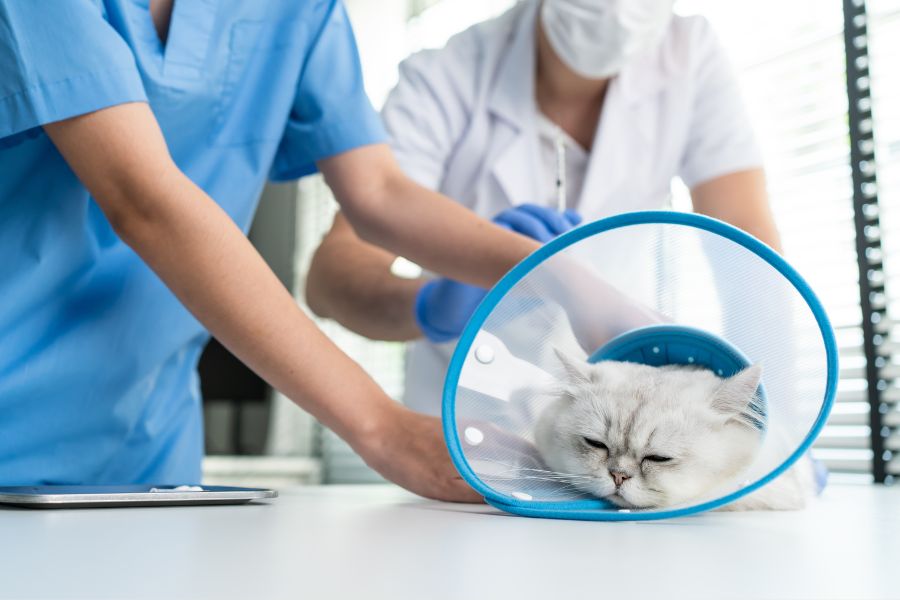
When your pet needs to stay in the hospital, fear and confusion can hit fast. You want straight answers. You want to know who is watching your pet, what will happen next, and when you can bring your pet home. This guide walks you through each step of a pet’s hospital admission and discharge so you know what to expect and what questions to ask. You learn what happens at check in, how staff track your pet’s condition, and how treatment choices are made. You also see what a safe discharge looks like, from written instructions to follow up plans. Every clinic is different. Yet the core steps stay the same, whether you visit a large emergency center or a small Vestavia Hills vet. Clear information gives you steadier ground. It helps you stay calm and protect your pet’s comfort and safety.
Before You Arrive
You can lower stress if you prepare a short plan before you leave home. Bring:
- Any medicines your pet takes now
- Recent records or vaccine dates
- A list of allergies or past reactions
You also need a way to pay and a charged phone. You may sit in the parking lot or lobby for a while. You may need to answer quick questions. A simple written list helps you stay clear when worry hits.
Check In And First Questions
At arrival, staff check your pet’s basic signs. They ask why you came, when the problem started, and what you saw at home. They may ask about food, water, bathroom use, and behavior changes.
You may be asked to sign forms about:
- Consent for exams, tests, or surgery
- Estimates and payment rules
- Emergency contact numbers
You can ask staff to read each part with you. You can also ask for a copy of any form you sign.
The Exam And Possible Tests
A veterinarian does a full exam. You hear a first plan. It might include blood work, x rays, or other tests. The doctor explains what each test can show and what choices come next.
You can ask three clear questions:
- What problem are you most worried about
- What tests do you think are needed today
- What happens if we wait on any of these tests
The U.S. Food and Drug Administration lists helpful questions you can use when medicines are part of the plan. You can keep these questions on your phone for quick use.
Why Your Pet May Need Admission
After tests, the doctor may say your pet should stay in the hospital. Common reasons include:
- Need for IV fluids
- Need for oxygen or close breathing support
- Need for strong pain control
- Need for surgery or close watching after surgery
You should hear how long the stay might last, what the main goal is, and what signs show progress.
What Happens During A Hospital Stay
While admitted, your pet is usually placed in a treatment ward or ICU. Staff track basic signs many times each day. These signs include heart rate, breathing rate, temperature, and pain level. They also track food, water, and bathroom use.
The care plan often includes three parts:
- Treatment such as fluids, medicines, or surgery
- Comfort such as soft bedding and pain control
- Safety such as monitoring and secure cages
You can ask how often staff check on your pet and who makes changes to the plan. You can also ask how you will get updates each day.
Daily Updates And Communication
Most hospitals set times for calls. Some offer text updates. You can ask for one daily summary that covers:
- What improved
- What stayed the same
- What got worse
You can write these notes during the call. That record helps you remember details when you feel tired or upset. The Centers for Disease Control and Prevention reminds pet owners that clear communication protects both human and animal health.
Costs And Treatment Choices
Money pressure adds strain. You can ask for a written estimate with low and high ranges. You can also ask which parts of care are urgent and which are optional.
Three key questions help:
- What is the goal of this treatment
- What happens if we do not choose it
- Is there a lower cost option that is still safe
You have the right to understand each choice before you agree.
Preparing For Discharge
When your pet is strong enough to go home, staff plan the discharge. They choose a time to review instructions with you. You should receive written directions that cover:
- Medicines and doses
- Food and water changes
- Activity limits
- Wound or bandage care
- Follow up visits
You can bring a second adult if possible. Another set of ears can catch details you might miss.
Comparison Of Hospital Stay And Home Care
| Care Step | In The Hospital | At Home After Discharge
|
|---|---|---|
| Monitoring | Staff check signs often | You watch eating, drinking, and comfort |
| Medicines | Given by nurses on a fixed schedule | Given by you using written instructions |
| Pain Control | IV or injectable drugs | Pills, liquids, or patches |
| Activity | Strict rest in a kennel | Short walks or crate rest as directed |
| Help Available | Immediate help from staff | Phone support and follow up visits |
Red Flag Signs After Discharge
Your discharge sheet should list warning signs. Common red flags include:
- Refusal to eat or drink for a full day
- Vomiting or diarrhea that keeps going
- Hard time breathing
- Sudden swelling, bleeding, or foul smell at a wound
- Severe restlessness or crying
If you see any of these, call the hospital right away. If you cannot reach them, seek emergency care.
Supporting Children And Other Pets
Children may feel scared when a pet comes home with bandages or a cone. You can explain that these tools help healing. You can show them how to sit quietly nearby without touching the sore spots.
Other pets may sniff, lick, or bother the recovering pet. You may need short separation at first. You can use baby gates, crates, or separate rooms during meals and rest.
Staying Steady Through The Process
Hospital admission and discharge test your nerves. Clear steps can steady you. Prepare before you arrive. Ask direct questions. Get every instruction in writing. Watch your pet closely at home. Call when something feels wrong. Calm, informed action protects your pet and gives you a sense of control during a hard stretch.