
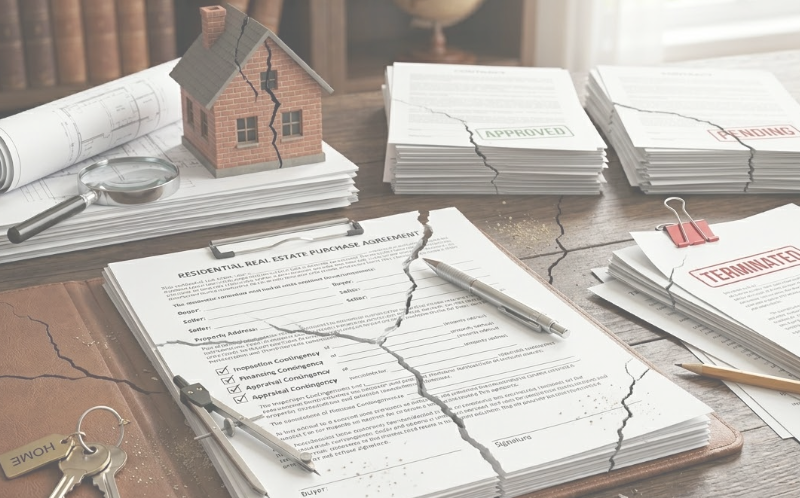
Real estate transactions are complex and involve multiple steps, from negotiations and inspections to financing and closing. Despite careful planning, there are times when a real estate contract can fall through. Understanding what happens in these situations can help both buyers and sellers navigate the process with clarity and minimize potential losses.
Common Reasons a Contract Falls Through
Financing Issues
One of the most frequent reasons a contract fails is financing. Buyers may be unable to secure a mortgage due to credit issues, changes in income, or appraisal problems. Without adequate funding, the purchase cannot proceed, and the contract may be terminated.
Inspection and Appraisal Concerns
Home inspections and appraisals often reveal issues that can derail a deal. Significant structural problems, pest infestations, or discrepancies in property value can lead buyers to reconsider or renegotiate terms. If parties cannot agree on solutions, the contract may be canceled.
Title Problems
Title issues, such as undisclosed liens or ownership disputes, can prevent a property from being legally transferred. Resolving title problems can be time-consuming, and in some cases, the contract may be terminated if the issues cannot be cleared.
Buyer or Seller Contingencies
Many contracts include contingencies that must be satisfied before closing. Common contingencies include the sale of the buyer’s existing home or securing necessary permits. Failure to meet these conditions can result in the contract falling through.
Consequences of a Failed Contract
Loss of Deposits
Depending on the terms of the agreement, buyers may lose their earnest money deposit if they fail to meet contractual obligations. Conversely, if the contract falls through due to seller issues, buyers are generally entitled to a refund of any deposits.
Legal and Financial Implications
A failed contract may lead to disputes or even legal action. Parties may seek damages if they believe the other side breached the agreement. Legal guidance is often necessary to navigate these situations effectively.
Emotional and Practical Impact
Beyond finances, a failed contract can be stressful for both parties. Buyers may need to restart the search for a home, while sellers may face delays in selling the property. Planning and flexibility are key to managing these challenges.
Steps to Take When a Contract Falls Through
Review the Contract Carefully
Examine the terms to understand why the contract failed and what obligations remain. Pay close attention to contingencies, deadlines, and refund policies.
Communicate with All Parties
Maintaining open communication between buyers, sellers, and agents can clarify misunderstandings and explore possible solutions, such as renegotiation or extension.
Seek Professional Guidance
Real estate attorneys, like those at Kearney Law, can provide advice on legal rights, obligations, and potential remedies. Their guidance can help protect your interests and minimize losses.
Understanding what happens when a real estate contract falls through empowers both buyers and sellers to respond effectively. By knowing the common causes, consequences, and available steps, parties can navigate the situation with confidence and plan for a successful transaction in the future.
This post was written by a professional at Kearney Law. At Kearney Law, we’re dedicated to delivering personalized legal guidance that puts your needs first. Whether you’re looking for an attorney for personal injury near you, a Real Estate Attorney in Largo, FL, a probate attorney near you, or a title attorney near you, our team is ready to provide the focused representation you deserve. We recognize that every client’s situation is different, which is why we take the time to understand your case and craft strategies that align with your goals. With a commitment to protecting your rights and securing the best possible outcome, Kearney Law offers trusted legal support with the attention and care you won’t find just anywhere.