
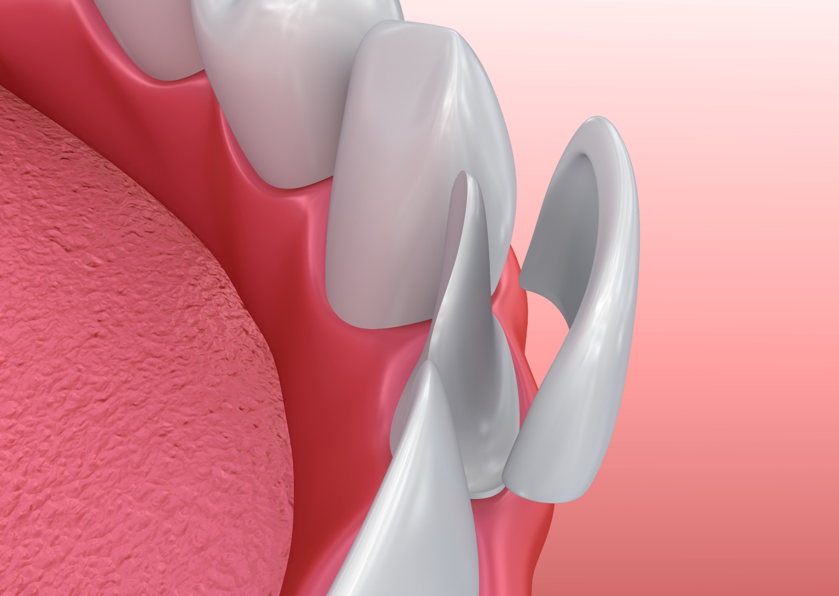
A veneer popping off can shock you. You see the gap. You feel exposed. You might worry the tooth is ruined. Stay calm. The tooth can be saved. A veneer is a thin cover. It can come loose from biting hard foods, teeth grinding, or old cement. Sometimes the tooth beneath changes shape, or decay starts. That weakens the bond. You might feel sharp edges, heat or cold sensitivity, or simple embarrassment. You do not need to suffer in silence. A Westchase, Tampa dentist can often clean the veneer and tooth, then bond it back. Or you may need a new veneer. Quick action protects the tooth and lowers your risk of pain or infection. This guide explains what to do in the first hour, how a dentist repairs the problem, and how to stop it from happening again.
Step One: Protect the Tooth Right Away
First, find the veneer. Pick it up with clean fingers. Then rinse it with water. Do not scrub it. Do not use soap or cleaners. Place it in a small clean container. A pill bottle or plastic bag works well.
Next, look at the tooth in a mirror. You may see
- A rough or sharp edge
- A darker or smaller tooth
- Old cement stuck to the surface
If the tooth feels sharp, cover it. You can use dental wax, which you can buy in the pharmacy. You can also use sugar-free chewing gum as a short fix. Press a small piece over the sharp edge. This lowers the chance of cuts on your tongue or lips.
Then call your dentist. Tell the office the veneer came off. Ask for the first open visit. If you have pain, swelling, or bleeding, say that clearly. Many offices hold time for urgent tooth problems.
What You Should Avoid Until Your Visit
Until you see the dentist, treat the tooth with care. You should
- Chew on the other side of your mouth
- Cut food into small pieces
- Choose soft foods like yogurt, eggs, or cooked vegetables
You should not
- Use glue, nail glue, or any home adhesive
- Bite hard foods such as nuts, ice, or hard candy
- Open packages with your teeth
Glue from the store can burn the gum. It can also trap bacteria. That can lead to decay or infection. Only a dentist should place the veneer back.
What Your Dentist Will Check
During your visit, the dentist will ask how the veneer came off. You may talk about any pain, grinding, or recent injury. Then the dentist will check
- The tooth surface
- Your bite
- Your gums
The dentist may take an X-ray to look for decay or damage. The National Institute of Dental and Craniofacial Research explains how decay forms and harms teeth over time at https://www.nidcr.nih.gov/health-info/tooth-decay.
After this check, you will hear clear options. In many cases, the dentist can clean and rebond the same veneer. In other cases, you may need a new veneer or a different type of restoration.
Common Treatment Options
| Option | When It Is Used | What You Can Expect
|
| Rebond the same veneer | Veneer is whole and fits well. The tooth has no decay. | Dentist cleans tooth and veneer. Then places fresh cement. Visit often takes under an hour. |
| Make a new veneer | Veneer is cracked, chipped, or does not fit. The tooth shape changed. | Tooth is prepared again. A new mold or scan is taken. You may wear a temporary cover. |
| Repair decay first | Decay is present under the old veneer. | Dentist removes decay, fills tooth, then decides if a new veneer or crown is better. |
| Crown instead of veneer | Tooth has a large loss of structure or many cracks. | Tooth is reshaped more. A full cover crown replaces the veneer for added protection. |
How Long Do Veneers Usually Last
Porcelain veneers often last many years with good care. A review shared by dental schools and public health groups often reports a span of 10 to 15 years for many patients. The exact time depends on three main factors
- Your daily habits
- Your bite and grinding pattern
- Your cleaning routine and checkups
The American Dental Association shows simple steps for daily tooth care at https://www.mouthhealthy.org/. These steps also support veneers.
Everyday Habits That Put Veneers At Risk
Some habits strain veneers and raise the chance they will pop off. Three common ones are
- Teeth grinding or clenching during sleep
- Chewing on ice, pens, or fingernails
- Sports or rough play without a mouthguard
Grinding places a strong force on the edges of veneers. Over time, the cement bond can weaken. A night guard can spread and soften these forces. Many dentists suggest a custom guard for anyone with veneers and signs of grinding.
Prevention: Simple Steps To Keep Veneers In Place
You can lower the chance of another veneer coming off. Focus on three key steps.
First, protect your teeth from impact and grinding.
- Wear a mouthguard during sports
- Ask about a night guard if you clench or grind
- Avoid using teeth as tools
Second, support a strong tooth structure.
- Brush twice a day with fluoride toothpaste
- Clean between teeth daily with floss or interdental brushes
- Limit sugary snacks and drinks
Third, keep regular checkups.
- Visit your dentist at least twice a year
- Tell the office if a veneer feels rough, loose, or high when you bite
- Ask for bite checks after any new dental work
When To Seek Urgent Help
Most veneer problems are not emergencies. Some signs mean you need quick care. Call your dentist or an urgent clinic if you notice
- Strong pain that stops sleep
- Swelling of the face or jaw
- Fever with tooth pain
- Bleeding that will not stop
These signs can point to infection or serious damage. Fast treatment protects both your mouth and your general health.
Moving Forward After A Veneer Pops Off
A veneer that pops off can feel like a setback. Yet it is often a clear warning sign. It tells you the bond, the tooth, or your bite needs attention. When you act quickly, protect the tooth, and follow through with care, you change the story. You move from fear and shame to control and relief.
Keep the veneer safe. Call your dentist. Protect the tooth until your visit. Then use this moment to build stronger daily habits and regular checkups. Your smile can stay steady and natural. Your teeth can stay protected.