
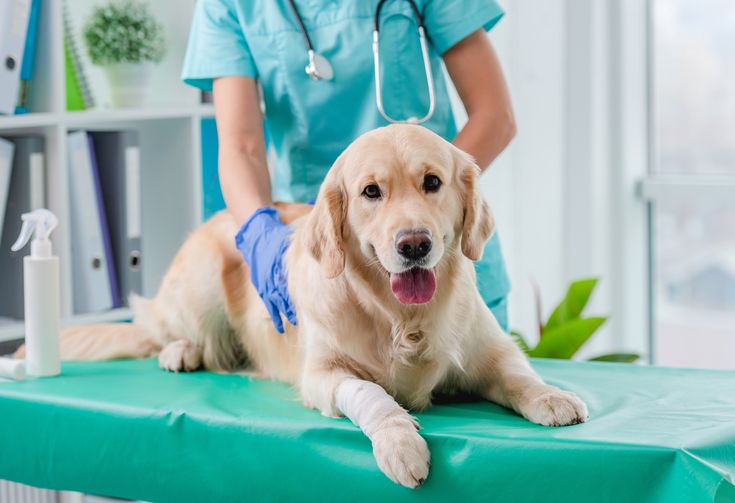
You might be feeling like your life has been split into a “before” and “after.” Before the diagnosis, your days with your pet were ordinary in the best way. After the diagnosis, everything feels fragile and uncertain. Whether you’re working with a veterinarian in Gainesville, FL or elsewhere, you are trying to absorb unfamiliar words, make treatment decisions, and still be the steady, loving presence your pet needs.end
It is a lot. You may worry that chemotherapy will make your pet miserable, that the hospital will feel cold or clinical, and that you might regret your choices. At the same time, you still see the spark in your pet’s eyes and you want to protect their comfort and dignity for as long as you can.
The good news is that modern chemotherapy for pets is usually designed with quality of life at the center, not just length of life. Veterinary hospitals work very intentionally to keep animals comfortable, reduce fear, and support you as the caregiver. Think of it less as “fighting cancer at all costs” and more as “giving your pet more good days, with as little suffering as possible.”
So where does that leave you right now. It helps to understand what your pet might face, what the hospital team is actually doing behind the scenes to ease that burden, and how you can partner with them so your pet feels safe and loved throughout treatment.
What makes chemotherapy so emotionally hard for pet families?
The word “chemotherapy” often brings up images of human cancer treatment. Hair loss. Constant nausea. Long hospital stays. You might imagine your pet going through the same thing and feel a wave of guilt for even considering it.
Because of this, many families hesitate. They ask themselves hard questions. Will my pet understand what is happening. Will the treatment hurt. Will they spend their remaining time in a hospital instead of at home on the couch beside me.
Here are a few of the most common fears and tensions.
Fear of suffering. Your biggest fear is usually not about the cancer itself. It is about your pet being in pain or feeling sick. You might worry that by choosing treatment, you are choosing suffering.
Fear of losing “who they are.” Pets are not just animals in our homes. They are personalities. You know the way your dog tilts their head at certain words, or how your cat claims the same sunny spot every afternoon. You worry chemotherapy will erase that spark.
Practical and financial strain. Multiple visits, bloodwork, medications, and follow up care can be expensive and time consuming. You may feel torn between what you want to do and what you realistically can do.
So how do veterinary hospitals respond to all of this. The answer is that modern oncology in animals is usually gentler than people expect. It is grounded in comfort, not just cure.
How do veterinary hospitals keep pets comfortable during chemo?
Veterinary teams know that your pet does not understand “treatment” or “survival rates.” What they understand is how they feel in the moment. Because of that, most cancer specialists build treatment plans around preserving day to day comfort.
You can read more about this quality of life focus from a university veterinary team that explains how chemotherapy in pets is tailored to maintain a good life. The central idea is that if a protocol is making your pet miserable, it is not the right protocol.
Here are some of the ways hospitals support comfort and ease.
1.Gentle dosing and tailored protocols
Unlike many human protocols, veterinary chemotherapy often uses lower doses and longer intervals. The goal is to control the cancer while keeping side effects mild. If your pet reacts poorly, the oncology team can adjust the dose, change the schedule, or even switch drugs. They are not locked into one rigid plan.
2.Proactive control of nausea and discomfort
Veterinary hospitals routinely give anti nausea and anti diarrhea medications either at the hospital or for you to give at home. Pain medications are used when needed, especially if the cancer itself is painful. The team will also ask you specific questions about your pet’s appetite, energy, and bathroom habits so they can catch problems early.
3.Fear free handling and calm environments
Many hospitals design their spaces and routines to reduce stress. That might mean separate waiting areas for dogs and cats, non slip mats on the exam table, soft bedding in treatment areas, and gentle handling techniques. Staff are trained to move slowly, speak softly, and give your pet time to settle.
Some hospitals encourage you to bring your pet’s own blanket or toy. Familiar smells can make the treatment room feel less strange. A short, calm visit where nothing “bad” happens can also be scheduled before treatment begins, so the hospital is not only associated with pokes and procedures.
4.Clear communication about what to expect
Uncertainty is exhausting. A good veterinary hospital will explain your pet’s specific protocol, likely side effects, and warning signs that need attention. Many also provide written instructions or fact sheets, similar to this chemotherapy overview for pet owners. You should feel welcome to call with questions between appointments.
5.Emotional support for you, not just medical care for your pet
Compassionate veterinary teams recognize that you are grieving and coping even while treatment is ongoing. They may connect you with support groups, offer honest guidance about when treatment is helping and when it might be time to stop, and simply give you space to talk through your fears without judgment.
So, if comfort is such a priority, how do you weigh treatment against the option of doing nothing beyond keeping your pet at ease.
How does chemotherapy comfort compare with “no treatment” care?
There is no single right answer that fits every pet or every family. Some cancers respond very well to chemotherapy with minimal side effects. Others are more aggressive, and the benefit may be shorter. The decision often comes down to what will give your particular pet the most good days.
The following table is not a prescription. It is a simple way to compare the comfort focused version of veterinary chemotherapy treatment with comfort focused care at home only.
| Aspect | Chemotherapy in a veterinary hospital | Comfort care without chemotherapy |
|---|---|---|
| Primary goal | Slow or control cancer while protecting quality of life | Maximize comfort without trying to control the cancer directly |
| Hospital visits | Regular visits for treatments and monitoring | Less frequent visits, usually for symptom management |
| Common side effects | Usually mild, such as short term tiredness or softer stools | Fewer drug side effects, but symptoms from the cancer itself may progress sooner |
| Quality of life focus | High. Protocols adjusted or stopped if quality of life drops | High. Medications used to ease pain, nausea, or anxiety as disease advances |
| Emotional experience for you | More structure, more touchpoints with the care team, but also more time at the hospital | More time at home, fewer appointments, but possibly faster changes in your pet’s condition |
Seeing the comparison in simple terms can make the choice feel a little less overwhelming. The “right” path is the one that aligns with your pet’s personality, medical situation, and your capacity to support them.
What can you do right now to support your pet’s comfort?
If you decide to work with a veterinary hospital on chemotherapy, or even if you are still deciding, there are concrete steps you can take that will help right away.
1.Ask specific questions about comfort and quality of life
Instead of asking only “Should we do chemo” try these questions.
- “What does a good day look like for my pet on this protocol.”
- “What side effects are most likely for this particular drug, and how will you help manage them.”
- “If my pet seems uncomfortable, how quickly can we adjust or pause treatment.”
The answers will tell you a lot about how strongly the hospital prioritizes comfort. You deserve clear, direct information.
2.Create a calm routine around treatment days
Animals are very sensitive to our energy. If you are frantic on treatment days, your pet may arrive at the hospital already anxious. Try to keep the routine as familiar as possible. Offer a favorite meal if allowed. Take a quiet walk or have a gentle play session. Bring a familiar blanket or toy to the appointment if the hospital encourages that.
After treatment, plan for extra rest. Have a soft, quiet spot ready at home. Watch for changes in appetite, bathroom habits, and interest in normal activities, and keep a simple log. This helps the oncology team fine tune care.
- Use a simple “quality of life” check in each week
It is easy to get lost in day to day ups and downs. A weekly check in can help you see the bigger picture. You might ask yourself.
- Is my pet still enjoying their favorite things most days.
- Are there more good days than bad days this week.
- Does my pet seek out affection and respond to me in familiar ways.
If you begin to see more bad days than good, or if your pet seems withdrawn or uncomfortable most of the time, talk honestly with your veterinary team. Sometimes the kindest choice is to change the treatment plan, adjust medications, or consider focusing fully on comfort without chemotherapy.
Holding on to comfort, even in hard seasons
Facing cancer with a beloved animal is one of the heavier burdens a person can carry. Yet you are not alone in it. Many veterinary hospitals build their entire approach around protecting your pet’s comfort and your bond with them. They use modern medicine, careful monitoring, and quiet kindness to make each visit as gentle as possible.
Whether you choose chemotherapy or focus only on comfort care, you are making decisions from a place of love. That matters. You know your pet better than anyone. A thoughtful, compassionate veterinary cancer care team can walk with you, adjust along the way, and help you honor what your pet would want if they could speak.
You do not have to have every answer today. For now, the most important step is simply this. Reach out, ask your questions, and insist on conversations that center your pet’s comfort and joy, not just their diagnosis.