
You might be watching your pet nap in a sunny spot and wondering if you are really doing everything you can to keep them around as long as possible. Maybe you worry every time they slow down on a walk, eat a little less, or act just a bit “off.” You might even feel a twinge of guilt when you realize it has been a while since their last visit to a Long Beach vet clinic. That mix of love and worry is very normal. It just means you care.end
Here is the simple truth. Regular veterinary checkups are one of the strongest tools you have to protect your pet’s health and extend their life. Routine exams catch problems early, prevent many diseases from starting, and keep small issues from turning into emergencies. When you understand how these visits work for you, not just your pet, they stop feeling like one more chore and start feeling like a quiet form of protection.
So where does that leave you if you are already busy, watching your budget, and unsure what is really “necessary” for your dog or cat.
Why does my pet need checkups if they “seem fine” right now
It is very common to think “My pet looks healthy, so I will wait.” On the outside they eat, play, and greet you at the door. On the inside, slow changes can be starting in their teeth, kidneys, heart, or joints, long before you see clear signs at home.
For example, many cats with kidney disease act completely normal in the early stages. By the time they show obvious symptoms, a lot of damage has already happened. The same is true for high blood pressure, early heart disease, and certain cancers in dogs and cats. These conditions respond far better when caught early through routine exams and testing.
Veterinarians are trained to spot tiny changes you might miss. A small heart murmur, a barely enlarged thyroid gland, tartar that is starting to affect the gums, or weight gain that signals a slowing metabolism. Each of these can be a quiet warning sign. When your vet finds them during a routine visit, you gain time. Time to adjust diet, start treatment, or plan further tests while the problem is still manageable.
Because of this, you might wonder if there is a “right” schedule. Many clinics recommend a yearly checkup for healthy adult pets and more frequent visits for seniors. The American Veterinary Medical Association’s brochure on caring for senior pets explains how those needs change with age and why older animals benefit from checkups every 6 months.
What happens during a veterinary visit that actually adds years to a pet’s life
When you hear about regular vet care for longer pet lifespan, it is easy to imagine only vaccines and a quick glance. In reality, a good checkup is much more layered.
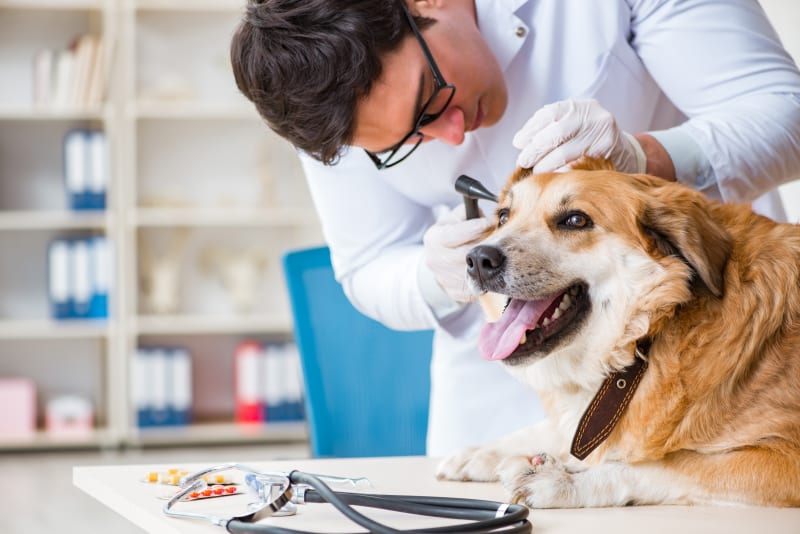
Your vet will usually start with a full physical exam. They look at your pet’s eyes, ears, teeth, skin, and coat. They listen to the heart and lungs. They feel the abdomen for any unusual lumps or pain. They check joints for stiffness. This hands-on exam often finds issues long before they are obvious.
Then come the discussions that matter just as much. Diet, weight, behavior, exercise, and lifestyle. Is your indoor cat bored and overeating. Is your large breed dog starting to show subtle joint pain. These conversations help tailor a plan so your pet’s everyday life truly supports long-term health.
Bloodwork, urine tests, and sometimes simple blood pressure checks reveal what is happening inside. These tests can uncover early kidney changes, diabetes, thyroid disease, infections, or anemia. The Centers for Disease Control and Prevention even highlight in their guidance on pet-related disease prevention that regular veterinary care protects not only pets, but also human family members from certain infections.
So how does all this extend life. Early dental care avoids painful infections that can spread to organs. Weight management lowers the risk of diabetes, joint disease, and breathing problems. Vaccines and parasite prevention protect your pet from illnesses that can be deadly. Prompt treatment of chronic conditions slows them down instead of letting them race ahead.
Is skipping checkups really that risky compared to the cost and stress
You might feel torn. On one side you want the longest, healthiest life for your pet. On the other side you see the cost of visits, the struggle of getting your cat into a carrier, or the anxiety your dog feels at the clinic.
It can help to compare what happens when you keep up with routine exams versus when you wait for obvious problems. That picture often clarifies why preventive veterinary care is so powerful.
| Approach | Short-term experience | Long-term health impact | Typical financial impact |
|---|---|---|---|
| Regular veterinary checkups | Planned visits, some mild stress for you and your pet, predictable costs | Early detection of disease, better control of chronic problems, improved comfort in senior years | Smaller, more regular expenses, often fewer emergency bills |
| Waiting until there is a clear problem | No routine visits, sudden urgent appointments, higher stress when something seems wrong | Diseases often found later, fewer options, faster decline in some conditions | Lower costs at first, but a higher chance of large, unexpected bills |
| Using home remedies without veterinary input | May feel easier and cheaper at first | Risk of missing serious illness, possible harm from unsafe treatments, delayed proper care | Can lead to higher costs when the real problem finally surfaces |
In other words, checkups are like routine maintenance on a car you never want to replace. They do not just fix what is broken. They help prevent breakdowns, keep everything running smoothly, and give you early warning when something needs more attention.
What can you do right now to protect your pet’s future
When you care deeply about your pet, you do not just want theories. You want clear steps you can take without feeling overwhelmed.
- Schedule a “baseline” exam, even if your pet seems healthy
If it has been more than a year since your pet saw a veterinarian, start with a simple goal. Book one checkup. Ask for a full physical exam and, especially for middle aged or older pets, basic blood and urine tests. This visit gives your vet a snapshot of what “normal” looks like for your animal. That baseline is incredibly helpful in the future if something changes.
During the visit, mention any small changes you have noticed. Drinking a bit more water. Sleeping more. Slower to jump on the couch. These details help your vet connect subtle signs with what they see on exam.
- Create a simple preventive care plan you can actually follow
Work with your vet to build a plan that fits your pet’s age, lifestyle, and your budget. This might include a schedule for vaccines, parasite prevention, dental cleanings, weight checks, and senior screening tests. Ask which items are most important right now and which can wait. A clear plan turns a vague sense of worry into manageable steps.
You can even write it out and put it on the fridge. For example. “Checkup every 12 months, dental cleaning every 1 to 2 years, senior bloodwork every year after age 7.” When the plan is simple and visible, it is much easier to stick with it.
- Watch for early warning signs between visits and speak up
Even with regular exams, you are the one who sees your pet every day. You notice when they hesitate on the stairs, miss the litter box, seem confused, or hide more often. Do not brush these changes off as “just old age” or a phase. Make a short list and call your vet if something feels off for more than a few days.
Your instincts matter. The earlier you mention concerns, the more options you usually have. Many conditions that shorten life, like kidney disease, heart disease, and some cancers, give small clues long before they become emergencies.
Holding onto more good years with your pet
Living with an animal you love is always a bit bittersweet. You know their life is shorter than yours, and that makes every year feel precious. Regular checkups cannot promise to prevent every illness, but they can stack the odds in your pet’s favor. They support comfort, energy, and connection for as long as possible through steady, thoughtful general veterinarian care.
You do not have to fix everything at once. Start with one appointment, one conversation, one small change to your pet’s routine. Each step is a quiet act of love that can add not just more time, but better time, to the life you share.