
You might be reading this with a knot in your stomach. Maybe your pet just had a health scare that sent you searching online at midnight for a veterinarian in East San Jose, or you are watching a slow change in their behavior and wondering if you are missing something important. You love your animal, yet you are not a medical professional, and that gap can feel scary.
In calmer moments you might think of a general veterinarian as the person who gives vaccines and checks teeth once a year. Then an emergency hits, or a chronic issue appears, and you realize you need more than quick answers. You need a guide who understands both urgent care and long term prevention, and who knows your pet as an individual.
That is where a general veterinarian quietly holds everything together. They are often the first to spot trouble early, the one who helps you decide what really counts as an emergency, and the person who coordinates care when things become serious. In simple terms, they are the bridge between everyday wellness and those frightening “we need help now” moments.
So where does that leave you right now. It means you do not have to choose between preventive care and emergency readiness. A strong relationship with a general vet gives you both.
Are You Missing Warning Signs Before An Emergency Happens?
One of the hardest parts of caring for an animal is that they cannot tell you when something feels “off.” You might notice small things. A little less energy. Drinking more water. Occasional vomiting. Limping that comes and goes. On their own, each one seems minor. Together, they can be the start of something serious.
The problem is that emergencies rarely appear out of nowhere. Many build quietly over time. Heart disease can start as slight exercise intolerance. Kidney problems can show up first as increased thirst and urination. Dental disease can smolder for months before turning into a painful infection that needs urgent treatment.
Because of this tension, you might ask yourself a familiar question. “Am I overreacting, or am I missing something important.” That uncertainty is exhausting. It can also be expensive if you wait until a situation turns into a true emergency visit at a 24 hour hospital.
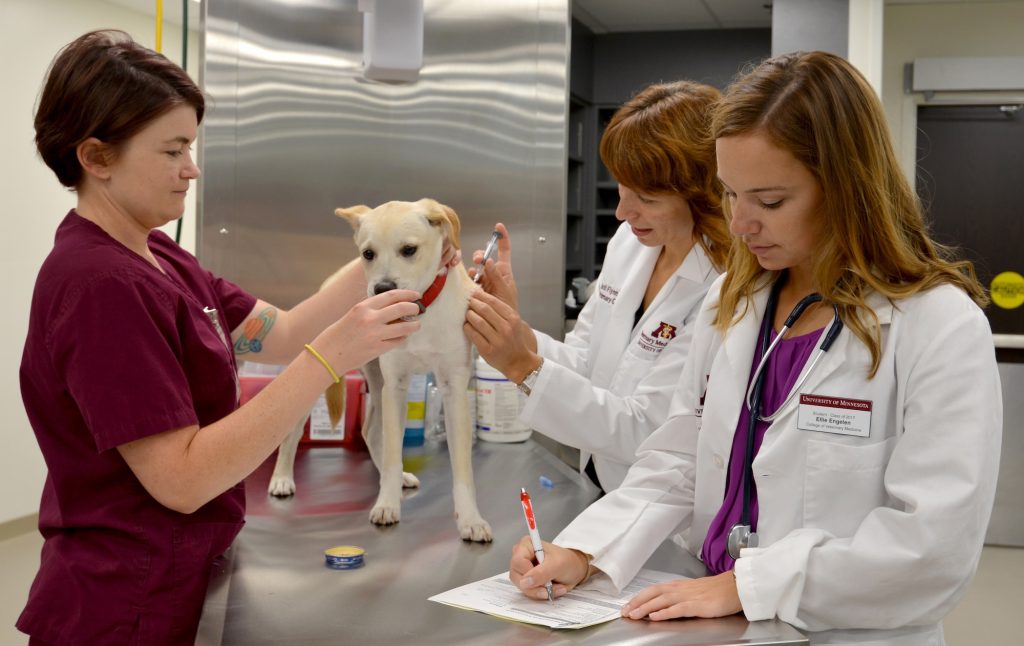
This is where your primary care veterinarian makes a real difference. Routine checkups are not just about vaccines. A well run general practice, like those in academic settings such as the University of Tennessee’s community practice services, uses regular visits to track trends over time. Weight changes, subtle lab shifts, new heart murmurs, or changes in behavior all become clues that shape your pet’s care.
When a general vet knows your pet’s baseline, they can often catch disease in earlier stages. That means more treatment options, less pain for your animal, and usually lower costs for you. It also means that when something does turn urgent, you are not starting from zero with a stranger. You already have a partner who understands the backstory.
What Happens When Things Turn Urgent Or Scary?
Even with excellent preventive care, emergencies still happen. A dog eats something toxic. A cat blocks with a urinary obstruction. A senior pet collapses unexpectedly. In those moments, your heart races and time feels strange. You are asked to make fast decisions about tests, treatments, and money while you are worried sick.
A trusted general vet can reduce that chaos. Sometimes they can handle the urgent issue themselves. Many primary care clinics are equipped for triage, X rays, blood work, and initial stabilization. Other times, they are the ones who say, “This needs a 24 hour hospital now,” and they call ahead to transfer records and give a clear handoff.
Because your vet knows your pet’s history, they can explain which options make sense and which may be unnecessary. They can help you weigh aggressive interventions against your pet’s age, temperament, and quality of life. That guidance is hard to put a price on when your mind is spinning.
There is also a financial layer here. Emergency hospitals are essential, and they do important work, yet they are often more expensive by necessity. According to industry summaries from sources like the American Veterinary Medical Association reports on the profession, the cost of advanced facilities, staffing, and equipment has been rising for years. When a general veterinarian helps you address issues early and avoid preventable crises, they are not only protecting your pet’s health. They are often protecting your budget too.
So how do you make sense of when to head straight to emergency care and when to call your own vet first.
Comparing Preventive Care With Emergency Only Care
It can help to see the difference between relying on regular general vet visits and only seeking help when something feels urgent.
|
Approach |
What It Looks Like In Daily Life |
Common Outcomes |
Emotional Impact On You |
|---|---|---|---|
|
Consistent preventive care with a general veterinary clinic |
Annual or semiannual exams, vaccines, blood work when recommended, dental checks, weight and behavior discussions |
Earlier detection of disease, more treatment choices, fewer surprise emergencies, better long term quality of life |
More confidence, clearer plans, less panic when issues arise, stronger bond with care team |
|
Emergency only care |
No routine visits or long gaps. Care sought mainly for sudden illness, trauma, or severe symptoms |
Problems often caught later, higher risk of crisis visits, limited time to decide on advanced care, sometimes higher overall cost |
Frequent fear and uncertainty, rushed decisions, possible guilt about “waiting too long” |
|
Mixed approach |
Some routine care, but missed follow ups or skipped recommended tests and dentals |
Moderate risk of missed early changes, occasional emergencies that might have been softened with closer monitoring |
Ongoing worry about whether you are “doing enough,” stress around money and priorities |
Seeing these patterns laid out can be sobering. It can also be empowering. You have more control than it may feel like you do.
How Can You Use A General Vet To Protect Both Today And Tomorrow?
Once you accept that a general vet service supports both emergency and preventive care, the next question is how to put that into practice in a way that feels realistic for your life.
Here are three steps you can take, even if you feel overwhelmed right now.
- Schedule a “big picture” wellness visit and be completely honest
If your pet has not had a full exam in the last year, start there. When you book, let the staff know you want time to talk about both prevention and what to do in an emergency. During the visit, share the things you might usually brush off. Occasional limping. Mild coughing. Changes in water intake. Weight gain or loss. Behavior shifts like hiding more or seeming restless at night.
Ask your vet to walk you through what they see as your pet’s top three health risks over the next few years and what can be done now to lower those risks. This might include blood tests, dental cleanings, weight management, or monitoring certain values over time. You are not committing to everything at once. You are gathering a roadmap.
- Create an emergency plan before you need it
When you are calm, ask your general veterinarian specific questions about emergencies. Which symptoms mean “call us first.” Which symptoms mean “go straight to an emergency hospital.” Who covers urgent calls after hours. Which nearby emergency clinics they trust and why.
Write this down in simple language and keep it somewhere visible. On the fridge. In your phone notes. Include your regular clinic’s number, the emergency hospital address, and any known conditions your pet already has. That way, when something scary happens, you are following a plan instead of scrambling.
- Talk openly about money and boundaries
Many pet owners feel ashamed discussing finances with a veterinarian. They nod along during the visit, then panic at the estimate. Your general vet cannot read your mind, so give them a range. For example, what you could handle in a routine visit, and what your ceiling might be in an emergency.
A good general practice will help you prioritize. They can tell you which preventive steps are most urgent for your specific pet and where it is safer to wait. They can also explain how things like pet insurance or savings accounts might soften the blow of a sudden crisis. This turns care into a shared plan, not a series of financial shocks.
Where Do You Go From Here?
If you are feeling a mix of relief and worry right now, that is normal. You cannot control everything that happens to your pet. You can, however, choose to bring a thoughtful general veterinarian into your corner so you are not facing emergencies alone and you are not guessing your way through prevention.
The next small step is simple. If your pet has not been seen recently, call your regular clinic and ask for a wellness appointment focused on both current health and future risks. If you do not have a regular clinic, start by searching for well reviewed general practices near you, and choose one that welcomes questions and longer conversations.
Your pet does not need you to be perfect. They need you to be present, prepared, and supported by a team that understands how everyday care and urgent care fit together. A strong partnership with a general vet can turn fear of the unknown into a clearer, more manageable path forward.